
The Easy Pace Planner – Bangkok, Thailand – Effortless Exploration for the Senior Traveler
Bangkok continues to be a world-class destination that balances its frantic energy with pockets of serene, accessible, and deeply enriching experiences for the “Silver Traveler.”
The following guide outlines 30 distinct experiences categorized into six themes.
These locations have been selected for their accessibility (elevators, ramps, or limited walking), educational depth, and senior-friendly pacing.
1. Exploration & Discovery
Venturing off the beaten path into unique neighborhoods with a focus on local life and navigation via the river.
-
Koh Kret Island: A car-free island in the Chao Phraya River. Seniors can explore the “Mon” pottery village via electric golf carts. It offers a peaceful discovery of traditional terracotta crafts and herbal gardens away from the city’s noise.
-
Kudeejeen Community: A hidden 200-year-old Portuguese-Thai neighborhood. This is ideal for a gentle walk to discover the Santa Cruz Church and sample Khanom Farang, a unique heritage cake. The flat, narrow alleys are perfect for a slow-paced morning exploration.
-
Chao Phraya Tourist Boat (Blue Line): This “Hop-on Hop-off” service is the most senior-friendly way to discover the river. Unlike the crowded local boats, these have wide decks, clear English announcements, and easy-access ramps.
-
Pak Khlong Talat (Flower Market): For a sensory discovery, this 24-hour market is best visited in the early morning. It’s an easy stroll through millions of orchids and lotuses. Interactive elements include watching vendors weave intricate Phuang Malai (flower garlands).
-
Talat Noi Heritage Alleys: Explore the “living museum” of Bangkok’s oldest Chinese neighborhood. It features street art and vintage engine parts warehouses. The area is largely flat and offers numerous “slow-life” riverside cafes to rest.
2. Culture & Historic
Immersive journeys into Thailand’s royal and spiritual heritage with a focus on comfort and historical context.
-
The Grand Palace & Wat Phra Kaew: The pinnacle of Thai architecture. Seniors can utilize the free wheelchair service and the designated “accessible path” to view the Emerald Buddha. It is best to visit at 8:30 AM to avoid the midday heat.
-
Wat Pho (Temple of the Reclining Buddha): Beyond the 46-meter golden statue, this is the birthplace of traditional Thai massage. Seniors can enjoy a professional, therapeutic massage in the air-conditioned pavilion—a perfect way to rejuvenate during a day of sightseeing.
-
Bangkok National Museum: Located in a former palace, it houses the country’s largest collection of Thai art. The museum has recently upgraded several pavilions with elevators and climate control, making it much more comfortable for older visitors than in years past.
-
Wat Traimit (Golden Buddha): Home to a 5.5-ton solid gold statue. The site features an excellent elevator-accessible museum on the lower floors that explains the history of the Chinese community in Bangkok through interactive dioramas.
-
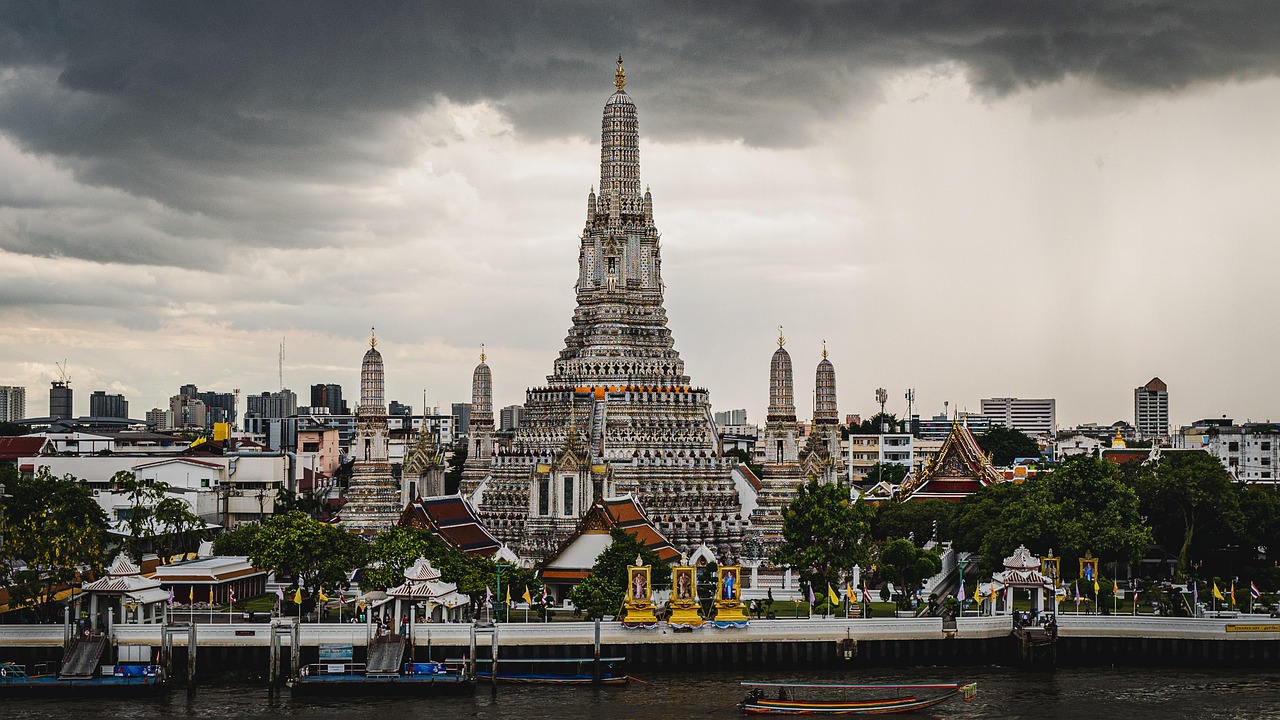
Wat Arun (Temple of Dawn): While the central spire is steep, the base is fully accessible. Seniors can enjoy the intricate porcelain mosaics at eye level and then take a cross-river ferry for just a few baht to see the temple’s reflection at sunset.
3. Outdoor Adventures
Low-impact nature experiences that prioritize fresh air, scenic views, and gentle movement.
-
Lumpini Park: Bangkok’s “Green Lung.” Early morning is the highlight here, where seniors can join free Tai Chi or yoga sessions with local groups. The paved 2.5km loop is perfect for a breezy walk or watching the famous monitor lizards.
-
Bang Krachao (The Green Lung): Located across the river, this jungle oasis is best explored by seniors via a private electric golf cart tour. It offers a glimpse of old Thailand, with elevated walkways through mangroves and a quaint weekend market.
-
Benjakitti Forest Park: Features an extensive skywalk system with gentle gradients. The park is designed for accessibility, offering stunning views of the skyline reflected in the lake without the need to navigate uneven terrain.
-
Rama IX Park (Suan Luang): The city’s largest botanical garden. It features a “Garden of the World” section and a beautiful Thapaan Sarn Pavilion. The park hosts an annual Flower Festival in December that is particularly popular with photography enthusiasts.
-
Evening Rice Barge Cruise: Unlike the loud, neon-lit dinner cruises, a traditional teak rice barge offers a quiet, breeze-filled journey. These smaller vessels allow for a more intimate look at the illuminated temples while enjoying a seated multi-course meal.
4. Creativity & Arts
Hands-on workshops and galleries that celebrate Thailand’s artistic soul and craftsmanship.
-
Baan Silapin (The Artist’s House): Located in the Khlong Bang Luang community. Seniors can watch a rare traditional Thai puppet show and then participate in a “silent” art activity like painting wooden masks or making beaded jewelry by the canal.
-
Bangkok Art and Culture Centre (BACC): A modern hub with a spiral ramp design (similar to the Guggenheim) that is incredibly easy for seniors to navigate. It hosts rotating contemporary exhibits and small craft boutiques.
-
The Siamese Carving Academy: Offers specialized fruit and vegetable carving classes. This traditional court art is low-impact and focused on fine motor skills, resulting in beautiful edible sculptures like watermelon roses.
-
River City Bangkok: The premier center for arts and antiques. It regularly hosts high-end digital art exhibitions (like “Van Gogh Alive”) that allow seniors to sit and immerse themselves in art projections in a cool, air-conditioned environment.
-
MOCA (Museum of Contemporary Art): Although slightly north of the city center, it is a world-class facility with wide galleries and plenty of seating. It houses the private collection of Boonchai Bencharongkul, showcasing the surrealist side of Thai mythology.
5. The Foodie Senior
Culinary experiences that focus on hygiene, comfort, and the depth of Thai flavor profiles.
-
Or Tor Kor Market: Ranked as one of the world’s best fresh markets. It is exceptionally clean, well-lit, and organized. Seniors can sample premium “ready-to-eat” Thai delicacies and high-quality seasonal fruits like Durian and Mangosteen in a spacious setting.
-
Blue Elephant Cooking School: Housed in a historic colonial mansion, this school offers a “Senior-Friendly” morning class that includes a market tour with a private guide and a seated cooking experience focused on healthy, royal Thai recipes.
-
Authors’ Lounge at Mandarin Oriental: For a refined afternoon, this historic lounge offers a famous High Tea. It is a quiet, elegant space where seniors can enjoy a “Western” or “Thai” tea set while surrounded by 19th-century literary history.
-
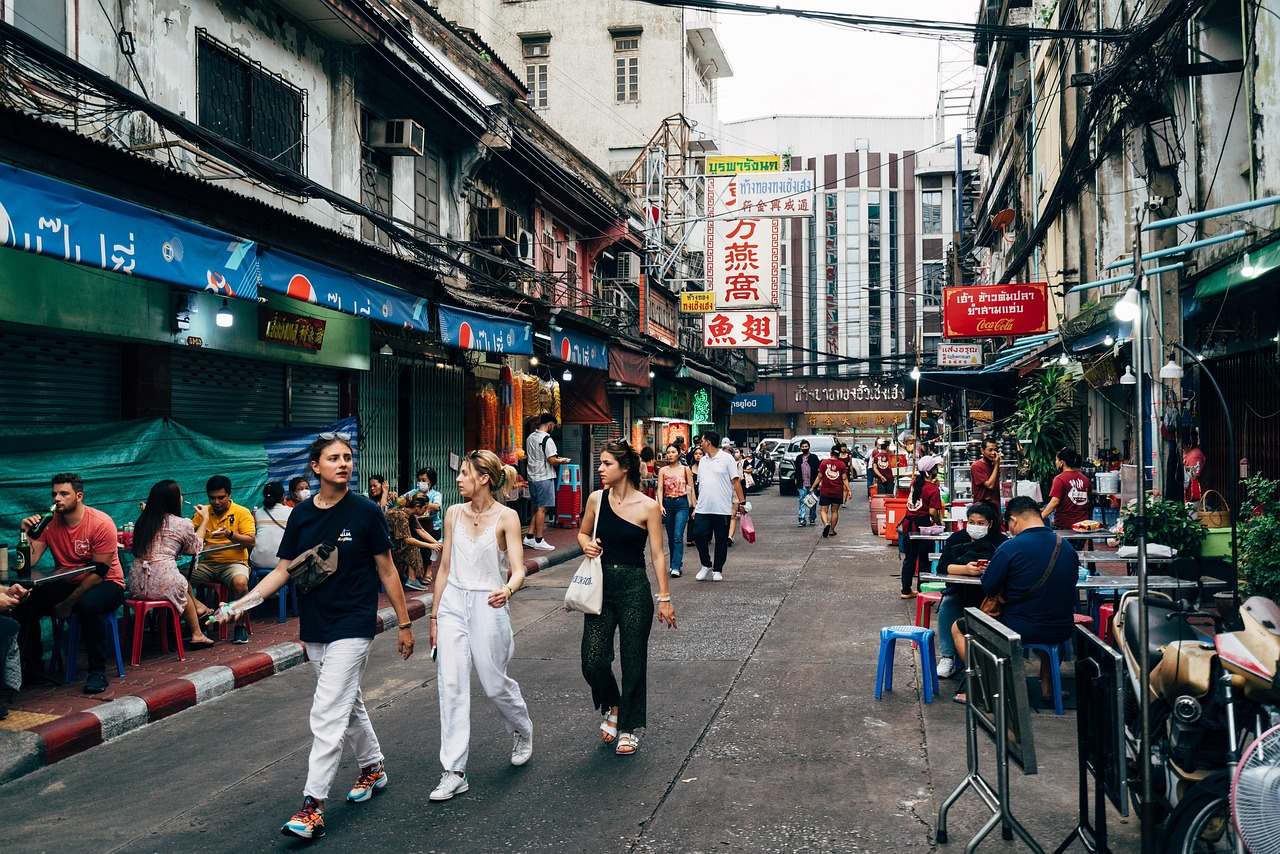
Chinatown (Yaowarat) Michelin Walk: Join a specialized tour that focuses on Michelin-recognized street food stalls that have permanent seating. This allows seniors to experience the energy of Chinatown without having to stand in long queues.
-
Saffron Cruise by Banyan Tree: A luxury dining experience on the river. It emphasizes fine-dining Thai cuisine with a “slow-food” approach. The boat is stable and features an elevator, ensuring a smooth evening for those with limited mobility.
6. Science & Education Trail
Intellectually stimulating locations that offer interactive learning about the universe, biology, and history.
-
Museum Siam: Known as the “Discovery Museum,” it uses the “Decoding Thainess” exhibit to explain Thai identity through interactive puzzles and multi-media displays. The museum is highly accessible and encourages “touch and play” learning.
-
Bangkok Planetarium (Science Center for Education): Recently renovated, the planetarium features a 4K digital theater. Seniors can enjoy the English-language star shows (usually Tuesdays) which provide a relaxing yet educational escape from the tropical heat.
-
Queen Saovabha Memorial Institute (Snake Farm): Run by the Thai Red Cross, this center is a leader in venom research. Seniors can attend the live venom extraction demonstration, which is highly educational and focuses on the science of life-saving anti-venoms.
-
Sea Life Bangkok Ocean World: Located beneath the Siam Paragon mall, this is one of the largest aquariums in Southeast Asia. It is entirely wheelchair/senior accessible via ramps. The “Glass Bottom Boat” experience offers a unique educational view of marine conservation.
-
Siriraj Medical Museum: Often called the “Museum of Death,” it is a fascinating site for those interested in forensic science and anatomy. Located within Thailand’s oldest hospital, it provides deep insights into the history of Thai medicine and public health.
A Pro-Tip
Bangkok’s humidity is highest between April and June.
For the most comfortable experience, seniors should plan outdoor activities (Parks, Markets) before 10:30 AM and transition to indoor, climate-controlled “Themes” (Science, Arts, History) during the afternoon.
Mini Adventure Planner – Bangkok, Thailand Edition
Introduction: Your Golden Key to the City of Angels
On the Spirit of the City
“Bangkok is a revitalizing city. You don’t come here to sleep. You come here to be stimulated.”
— Jessica Jung, Singer and Fashion Designer
On the Sensory Experience
“The food, the people, the colors, the noise—Bangkok is a city that never stops giving. It’s a sensory overload in the best possible way.”
— Bobby Chinn, Celebrity Chef and Restaurateur
On the Architecture & Beauty
“I love the architecture of Bangkok. It’s so eclectic, with so many different influences. It’s a very visually inspiring city.”
— Amanda Hearst, Writer and Activist
On the Atmosphere of the Streets
“Bangkok is a place where the familiar and the exotic collide. It is a city that thrives on its contradictions.”
— Pico Iyer, Travel Writer and Essayist
On the City’s Enduring Allure
“There is something about Bangkok that makes you feel like you are in the center of the world.”
— Lawrence Osborne, Author of ‘The Forgiven’ (Long-time Bangkok resident)
Welcome to the Land of Smiles: A Note from the Heart
Welcome, fellow traveler! If you are holding this book, it means you possess that wonderful, ageless spark of curiosity that refuses to stay home.
Perhaps you’ve visited Bangkok decades ago and wish to see how she’s changed, or perhaps this is your very first time stepping into the humid, jasmine-scented embrace of Thailand’s capital.
Whatever your story, we are delighted you are here.
Bangkok—or Krung Thep, the “City of Angels”—is a place of magnificent contradictions.
It is a city where golden temples with shimmering spires stand shoulder-to-shoulder with sleek, glass skyscrapers that seem to touch the clouds.
It is a place where the rhythmic “thump-thump” of a mortar and pestle preparing fresh papaya salad competes with the hum of the world’s most modern electric trains.
For many, Bangkok can feel overwhelming at first glance; its energy is boundless, its streets are a labyrinth, and its pace is unapologetic.
But here is the secret that only seasoned travelers truly understand: beneath the frantic surface lies a city that deeply respects its elders.
In Thai culture, seniority is a badge of honor.
You will find that doors are held open a little longer, smiles are offered a little more readily, and “Sawasdee” (the traditional greeting) is spoken with a slightly deeper bow just for you.
This is a city that wants to show you its soul, but it invites you to do so at your own pace.
We’ve written this book because we believe that “adventure” doesn’t have a shelf life. Adventure isn’t just for the backpacker with a heavy rucksack and a tight budget.
True adventure is found in the quiet conversation with a Mon potter on Koh Kret, the realization of the scale of a solid gold Buddha, and the first refreshing sip of an iced herbal tea after a morning stroll through a forest park.
This book is your invitation to experience the “Slow Side” of the City of Angels—the side that prioritizes comfort, accessibility, and deep, meaningful connection over the “tick-the-box” rush of standard tourism.
So, take a deep breath. Adjust your hat, grab your sunglasses, and let the warmth of the Thai sun remind you that your journey is just beginning.
You aren’t just visiting a city; you are entering a living museum, a gourmet’s paradise, and a sanctuary of spiritual peace. Welcome to Bangkok. We’ve been waiting for you.
How to Use This Book: Navigating Your Adventures
We know that no two travelers are alike.
Some of you might be “Early Birds” who love a 7:00 AM walk in the park, while others prefer the “Night Owl” life of sunset river cruises and neon-lit dinners.
To help you navigate this multifaceted city, we’ve organized this guide into six distinct “Adventure Themes.”
Here is how to make the most of the pages ahead:
1. The Thematic Chapters
Each chapter represents a different “flavor” of Bangkok. Instead of a standard geographical layout, we’ve grouped experiences by interest.
-
Exploration & Discovery: For those who want to find the “hidden” villages and navigate the river like a local.
-
Culture & Historic: Your guide to the royal and spiritual pillars of the city, with a heavy focus on accessibility.
-
Outdoor Adventures: Fresh air and greenery, curated for low-impact movement.
-
Creativity & Arts: Hands-on workshops and serene galleries for the imaginative soul.
-
The Foodie Senior: A culinary map that prioritizes comfort, hygiene, and incredible flavors.
-
The Science & Education Trail: For the lifelong learners interested in medicine, biology, and the stars.
2. The Itinerary Overviews
At the start of every chapter, you will find a “Gentle Morning” (Half-Day) and a “Sovereign Day” (Full-Day) plan. These are blueprints, not rules.
They include built-in “Rest Stops” and “Transition Tips” to ensure you never feel over-extended.
Pro-Tip: If you see something you love, stay there! The best part of being a senior traveler is that you no longer have to prove anything to anyone. If a 30-minute temple visit turns into a 2-hour meditation, your itinerary has done its job.
3. The Details That Matter
We’ve done the heavy lifting for you. In each entry, look for:
-
Accessibility Notes: We tell you exactly where the elevators are and which paths avoid the steep stairs.
-
Senior-Friendly Insights: Why is this particular spot valuable for you? (e.g., Is there a shaded area? Is the guide particularly patient? Are there clean restrooms nearby?)
-
Creative Memory Makers: Fun, low-stress ways to document your trip through photos, journals, or simple mental “snapshots.”
4. Customization is Key
At the end of every chapter, we provide a section on Customizing Your Itinerary.
This includes “Weather Pivots” (what to do if it rains) and “Energy Hacks” (how to combine activities to minimize travel time).
About the City: A Tapestry of Time
To walk the streets of Bangkok is to walk through layers of history. But to understand the city, you must first understand the river.
The River of Kings
The Chao Phraya River is the lifeblood of Bangkok. Long before the concrete highways were built, the river and its network of “Khlongs” (canals) were the only ways to move.
This is why Bangkok was once known as the “Venice of the East.” Even today, the river remains the most efficient—and most scenic—way for a senior traveler to see the city.
When you look at the river, you are looking at the reason the city exists.
In 1782, King Rama I moved the capital to the eastern bank of this river because its curve provided a natural defensive moat against invaders.
A Tale of Two Cities
Bangkok is actually a tale of two distinct eras.
On the west bank lies Thonburi, the older, quieter side of the city where life still moves to the rhythm of the canals and traditional wooden houses.
On the east bank is Phra Nakhon (the historic center) and the sprawling modern districts of Sukhumvit and Siam.
-
Fact: Did you know that the full ceremonial name of Bangkok is actually the longest place name in the world? It has 168 letters! Thais call it “Krung Thep” for short, but the full name describes a city of emeralds, divine residences, and unconquerable beauty.
The Spiritual Fabric
You will notice “Spirit Houses”—small, ornate dollhouse-like structures—outside almost every building, including the most modern malls.
This is a beautiful example of Thai “Syncretism,” the blending of Buddhism, Brahmanism, and ancient Animism.
Thais believe that spirits inhabit the land, and these houses are a way to honor them.
As a senior visitor, observing a local offering a fresh flower garland or a red Fanta (a favorite of the spirits!) to a spirit house is a window into the deep, daily spirituality that keeps the city grounded.
Additional Information: Getting You Excited for the Journey
As you prepare to dive into the adventure chapters, here are a few more “sparks” to get your travel spirit soaring:
The “Silver” Perks
Bangkok is more accessible than it has ever been.
The expansion of the MRT (Subway) and BTS (Skytrain) lines means that almost every major cultural site is now within reach of a station equipped with modern elevators and air-conditioning.
Furthermore, the city has seen a surge in “Social Enterprises” where elderly Thais are employed as heritage guides and craft instructors.
When you visit places like Talat Noi or Baan Silapin, you aren’t just a tourist; you are engaging in a cross-cultural exchange with peers who share your depth of life experience.
The Climate “Secret”
While Bangkok is famously hot, there are “micro-seasons” that are perfect for seniors.
If you are here between November and February, you’ll enjoy the “Cool Season,” where the mornings are breezy and the humidity is low.
If you are here during the “Green Season” (the rains), don’t be discouraged! The rain usually comes in short, dramatic bursts, leaving the air fresh and the parks incredibly lush.
There is something profoundly peaceful about watching a tropical downpour from the safety of a covered riverside veranda with a hot cup of Thai tea.
A Note on “Thai Time”
You might notice that things don’t always happen exactly “on the dot” in Bangkok. This is part of the charm.
There is a concept called “Mai Pen Rai,” which roughly translates to “it doesn’t matter” or “don’t worry about it.” It is a philosophy of letting go and going with the flow.
For a senior traveler, this is a wonderful permission slip. If a boat is five minutes late, or a market stall isn’t open yet, use that time to simply “be.”
Watch a dragonfly over the canal, smile at a passing monk, or take a slow, deep breath of the incense-filled air.
Why This City, Why Now?
You have reached a stage in life where you know that the best things aren’t “things”—they are experiences. Bangkok offers those in abundance.
It offers the thrill of the new and the comfort of the ancient.
It offers flavors that will wake up your palate and landscapes that will stay in your mind’s eye long after you’ve returned home.
In the following chapters, we will hold your hand through the “Exploration & Discovery” of the hidden canals, stand beside you as you marvel at the “Culture & Historic” wonders of the Grand Palace, and sit with you on a “Rice Barge Cruise” as the city lights begin to dance on the water.

Planning a journey to a city as vibrant and complex as Bangkok is an adventure in itself.
For the senior traveler, the key to a successful trip isn’t just about what you see, but how you prepare for the experience.
In this section, we will walk you through the practicalities of making your “City of Angels” dream a reality—from the essential items in your suitcase to the apps on your phone that will make navigating the streets feel like a breeze.
Planning Your Adventure
Preparing for Your Trip: The Foundation of Comfort
Success in Bangkok starts weeks before you board your flight. Because the city’s climate is tropical and its energy is high, a little bit of foresight goes a long way in ensuring your comfort and safety.
1. The “Health First” Checklist
Your health is your most valuable travel asset. Before you leave, schedule a visit with your doctor or a travel health clinic to ensure your routine vaccinations are up to date.
-
Medication Management: Bring a 10-day surplus of any prescription medications in their original containers. Pro-Tip: Carry a signed letter from your doctor listing your prescriptions and the generic names of the drugs, as brand names can vary in Thailand.
-
The Heat Factor: Bangkok is consistently warm. If you have any heart or respiratory conditions, discuss “Heat Management” with your doctor.
-
Travel Insurance: Ensure your policy specifically covers international medical evacuation and “Pre-existing Conditions.” Many hospitals in Bangkok, like Bumrungrad or Samitivej, offer world-class care, but they require proof of insurance or payment upfront.
2. What to Pack (And What to Leave Behind)
Think of your suitcase as a “Climate Control Kit.”
-
Fabrics are King: Opt for linen, silk, or high-tech moisture-wicking fabrics. Cotton is good, but it can get heavy when you sweat.
-
The “Temple Ready” Outfit: You will need at least one outfit that covers your shoulders and goes below your knees. Lightweight “elephant pants” or a long linen skirt are perfect.
-
Footwear: Bring shoes that are broken-in and have a good grip. Bangkok’s sidewalks can be uneven, and tile floors in temples can be slippery when wet.
-
Sun Protection: A wide-brimmed hat and polarized sunglasses are non-negotiable. Did you know? Many locals use UV-protective umbrellas even when it isn’t raining to create their own portable shade.
3. Your Digital Toolkit
Your smartphone is your best friend in Bangkok. Download these apps before you arrive:
-
Grab: The Southeast Asian version of Uber. It allows you to book a car with a fixed price, avoiding any “meter” haggling.
-
Google Translate: The “Camera” feature allows you to point your phone at a Thai menu or sign and see the translation instantly.
-
ViaBus: Excellent for tracking the new fleet of air-conditioned electric buses.
-
Klook: Great for booking senior-friendly tours and skipping the ticket lines at major attractions.
Navigating the City: Moving with Grace and Ease
Bangkok’s transportation has seen a massive upgrade. While the city’s traffic is legendary, the rail and river systems allow you to bypass the gridlock entirely.
The Rail Systems: BTS (Skytrain) & MRT (Subway)
The Skytrain (BTS) and Subway (MRT) are the crowns of Bangkok’s infrastructure. They are clean, safe, and—most importantly—blissfully air-conditioned.
-
Senior Discounts: If you are over 60, you are eligible for a Senior Rabbit Card (BTS) or a Senior MRT Card, which offers up to 50% off fares. You will need your passport to register for these at any station ticket office.
-
Accessibility: Most major stations are equipped with elevators. Note: At BTS stations, elevators are sometimes located at only one end of the platform. Look for the “Wheelchair/Elevator” signs.
-
Priority Seating: Thais are incredibly respectful. You will notice “Priority Seats” marked with icons for monks, pregnant women, and the elderly. If you are standing, a younger passenger will almost always offer you their seat with a smile.
The River: Boats and Barges
As we explored in Chapter 1, the river is the city’s historic highway.
-
Chao Phraya Tourist Boat (Blue Flag): This is the most senior-friendly boat. It has English announcements, easy-access ramps, and a higher deck for better views.
-
Cross-River Ferries: For just 5 THB, these small boats shuttle you between the east and west banks. They are quick and frequent, though they can be a bit “bouncy”—always wait for the boat to be securely tied before stepping off.
On the Road: Taxis, Tuk-Tuks, and Grab
-
Grab (App-based): This is our #1 recommendation for seniors. You can book a “GrabCar” (a private vehicle) or a “GrabTaxi.” The price is set in the app, the driver follows a GPS, and you can pay via credit card so you don’t have to worry about small change.
-
Metered Taxis: Only use these if the driver agrees to use the meter (“Meter, ka?” for women or “Meter, krap?” for men). If they ask for a flat fee, simply step out and find another car.
-
Tuk-Tuks: These are iconic and fun for a short (5-10 minute) photo-op ride, but they are loud, hot, and exposed to exhaust. We recommend trying one once for the memory, but using cars or trains for your primary travel.
Safety Tips for Seniors: Peace of Mind in the Metropolis
Bangkok is generally a very safe city for tourists, but like any major metropolis, it requires a bit of savvy.
1. Managing the Environment
-
Hydration is Key: Drink only bottled or filtered water. Even when brushing your teeth, many seniors prefer to use bottled water just to be safe.
-
The “Ice” Secret: Don’t fear the ice in high-end restaurants or malls. If the ice has a hole through the middle (cylindrical), it is factory-made from purified water and is perfectly safe.
-
Air Pollution: During the “Burning Season” (late January to March), the air quality (PM2.5) can be poor. If you have asthma or lung concerns, wear a high-quality mask or plan more indoor activities like those in Chapter 6.
2. Avoiding Common Scams
The “Friendly Stranger” is a classic trope in Bangkok.
If someone approaches you near the Grand Palace or Wat Pho and tells you that the site is “Closed for a holiday” or “Closed for cleaning,” they are almost certainly lying.
Their goal is to take you on a discounted tuk-tuk tour to a jewelry or tailor shop where they receive a commission.
-
Side Note: Politely say “No thank you” (or “Mai ao, krap/ka”) and keep walking toward the official entrance.
3. Pedestrian Safety
Bangkok is not always a “walking city.” Sidewalks can have sudden drops, loose tiles, or even a motorcycle taking a shortcut.
-
Look Both Ways: Traffic in Thailand moves on the left. When crossing the street, remember to look right, then left, then right again.
-
Use the Skywalks: Whenever possible, use the elevated pedestrian skywalks that connect many BTS stations and malls. They are flat, shaded, and completely safe from traffic.
Additional Information: The Little Things that Make a Big Difference
Currency and Cash
While Thailand is moving toward a cashless society (using QR codes), you will still need Thai Baht (THB) for markets, small cafes, and tips.
-
ATM Tips: Use ATMs located inside bank branches for better security. Be aware that most Thai ATMs charge a 220 THB fee per withdrawal for foreign cards, so it’s better to withdraw larger amounts less frequently.
-
The King’s Image: Every bill and coin features the image of the King. It is highly disrespectful to step on a coin or treat money carelessly. Treat your currency with the same respect you would a sacred object.
The Spirit of “Mai Pen Rai”
One of the most valuable things you can pack is a “Mai Pen Rai” attitude. This Thai phrase means “it’s no problem” or “don’t worry about it.”
In a city of 11 million people, things will sometimes go sideways—a boat might be late, a restaurant might be out of your favorite dish, or a sudden rainstorm might change your plans.
By embracing the “Mai Pen Rai” spirit, you align yourself with the local culture.
You’ll find that when you remain calm and smiling, the Thai people will go out of their way to help you find an even better alternative.
Seasonal Highlights
If your trip coincides with January or February, keep an eye out for the “Music in the Park” series.
On Sunday afternoons, many of the parks we explored in Chapter 3 host free outdoor symphony concerts.
It is a wonderful way to see Bangkok families enjoying their city and provides a sophisticated, relaxing end to your day.
Final Thoughts on Planning
You’ve done the research, you’ve read the chapters, and now you are ready.
Remember that the “Mini-Adventure Planner” is just a guide—your actual adventure will be written in the moments between the landmarks.
It’s in the taste of a particularly sweet mango, the cool air of a temple, and the kindness of a stranger who helps you cross the street.
Adventure Styles Overview: Crafting Your Perfect Bangkok Story
One of the most beautiful aspects of traveling in your golden years is the realization that “adventure” is a deeply personal term.
For one person, adventure is the adrenaline of navigating a bustling flower market at dawn; for another, it is the intellectual thrill of deciphering an ancient mural in a quiet temple gallery.
Bangkok is a city of a thousand faces, and it can be whatever you need it to be. In this book, we have distilled the city into six distinct “Adventure Styles.”
This overview is designed to help you look within and decide which paths resonate most with your spirit.
Remember, you don’t have to choose just one—the most enriching trips often involve a “sampler platter” of several styles.
Choosing Your Adventure Style: Which Path Will You Take?
To help you decide where to begin, we have summarized the six styles below. Think of these as the “moods” of your trip.
Some days you may feel like a scholar; other days, you may simply want to be a guest at a royal table.
1. Exploration & Discovery
-
The Vibe: For the “Curious Soul” who loves to go where the tour buses don’t. This style is about the texture of local life—the sound of water against a wooden pier, the smell of incense in a hidden alley, and the joy of navigating the river like a local.
-
Highlight Locations: Koh Kret Island, Kudeejeen Community, and the Talat Noi heritage alleys.
-
Why Seniors Love It: It offers a “Slow Travel” experience. You aren’t just looking at Thailand; you are feeling the heartbeat of its oldest neighborhoods at a pace that allows for genuine interaction.
2. Culture & Historic
-
The Vibe: For the “Heritage Seeker” who appreciates the weight of history and the splendor of royal architecture. This is the “Grand Tour” of Bangkok, focusing on the spiritual and monarchical pillars that shaped the nation.
-
Highlight Locations: The Grand Palace, Wat Pho (Reclining Buddha), and the National Museum.
-
Why Seniors Love It: We have specifically curated these for accessibility. In 2026, these sites offer elevators, wheelchair ramps, and shaded rest areas that make “monumental” history feel manageable and comfortable.
3. Outdoor Adventures
-
The Vibe: For the “Nature Lover” who needs a breath of fresh air amidst the urban bustle. This style focuses on the “Green Lungs” of the city—parks, wetlands, and jungle oases that offer a respite for the lungs and the spirit.
-
Highlight Locations: Lumpini Park, Bang Krachao, and the Benjakitti Forest Park Skywalk.
-
Why Seniors Love It: These are low-impact nature experiences. You get the beauty of the tropics without the need for rugged trekking. Think paved paths, electric golf carts, and gentle breezes.
4. Creativity & The Arts
-
The Vibe: For the “Creative Spirit” who finds joy in the details. This style is about the arts—both traditional and contemporary. It’s for those who want to watch a puppet dance, learn to carve a fruit into a flower, or walk through a digital masterpiece.
-
Highlight Locations: Baan Silapin (Artist’s House), MOCA, and the Siamese Carving Academy.
-
Why Seniors Love It: Art is meditative. These experiences are largely indoor, climate-controlled, and seated, providing a sophisticated and relaxing way to engage with Thai culture.
5. The Foodie Senior
-
The Vibe: For the “Gourmet Traveler” who believes the best way to know a culture is through its kitchen. This style prioritizes hygiene, heritage, and high-quality ingredients, from “Premium” street food to Royal Thai cuisine.
-
Highlight Locations: Or Tor Kor Market, Blue Elephant Cooking School, and the Authors’ Lounge High Tea.
-
Why Seniors Love It: We’ve skipped the “standing on a sidewalk” stress. This style ensures you have a comfortable seat, a cool environment, and flavors that are adjusted to your preference.
6. Science & Education Trail
-
The Vibe: For the “Lifelong Learner” who asks why and how. This style explores the fascinating world of Thai medicine, marine conservation, and the cosmos.
-
Highlight Locations: Museum Siam, the Snake Farm, and the Bangkok Planetarium.
-
Why Seniors Love It: It’s intellectually stimulating. These sites are world-class educational centers that offer a deeper understanding of the world, all while being highly accessible and senior-friendly.
Comparison at a Glance
| Adventure Style | Best For… | Pace | Typical Environment |
| Exploration | Local Life & Navigation | Moderate | Outdoor Alleys/River |
| Culture | History & Temples | Moderate | Majestic/Open Air |
| Outdoor | Fresh Air & Nature | Gentle | Green/Lush |
| Arts | Workshops & Galleries | Relaxed | Air-conditioned/Indoor |
| Foodie | Tasting & Learning | Relaxed | Clean Markets/Dining |
| Science | Knowledge & Insight | Steady | Educational/Museums |
Customizing Your Itinerary: Making the Book Your Own
One of the greatest luxuries of being a senior traveler is the freedom to change your mind. This book is designed to be a “menu,” not a mandate.
Here is how you can mix, match, and modify these adventures to suit your personal rhythm.
1. The “Morning/Afternoon Swap”
Bangkok’s weather is the biggest factor in your energy levels. A common mistake is to do the “Exploration” or “Outdoor” styles in the afternoon when the heat is at its peak.
-
The Golden Rule: Do your Outdoor or Exploration activities before 10:30 AM.
-
The Afternoon Pivot: Use the Arts, Science, or Foodie adventures for your 1:00 PM to 4:00 PM window. These are mostly indoors and air-conditioned, acting as a “cool-down” period for your body.
2. Mixing Styles for a Balanced Day
Don’t feel restricted to one chapter per day. In fact, some of the best days in Bangkok come from combining two different styles.
Example Day:
Morning (Outdoor): A gentle walk on the Benjakitti Skywalk to see the city wake up.
Midday (Foodie): A long, air-conditioned lunch at Nara Thai in a nearby mall.
Afternoon (Science): A relaxing 4K show at the Planetarium right across the street.
3. The “Two-Site Maximum” Rule
To keep your trip enjoyable and avoid “travel burnout,” we recommend visiting no more than two major sites per day.
-
Site A: Your primary morning focus (e.g., The Grand Palace).
-
Transition: A slow lunch and a rest.
-
Site B: A secondary afternoon focus (e.g., A massage at Wat Pho or a visit to a nearby gallery).
-
Evening: A quiet dinner or a river cruise.
4. Adjusting for “Energy Days”
Listen to your body. We all have “High Energy Days” and “Low Energy Days.”
-
On High Energy Days: Tackle the Exploration or Culture chapters. These involve more movement and visual stimulation.
-
On Low Energy Days: Lean into the Arts or Foodie chapters. These allow you to sit, observe, and be pampered without needing to navigate complex streets.
Senior Tip Box: The “Rest is an Activity” Philosophy
In Thai culture, there is a concept called Sabai Sabai, which means being truly at ease. In this book, we treat a 2-hour nap or a long afternoon tea as a vital “activity.”
Never feel guilty for returning to your hotel to put your feet up. In fact, resting during the hottest part of the day is exactly what the locals do!
A Final Word on Your Adventure Style
Whether you choose to follow the “Science Trail” or get lost in the “Arts,” remember that the goal is enrichment, not exhaustion.
Bangkok is a city that rewards the patient observer. By choosing a style that aligns with your current mood and physical needs, you aren’t just seeing a city—you are living it.
The City of Angels is calling. Are you ready to answer? Let’s begin our first adventure.
Welcome to the first chapter of your Bangkok journey!
This chapter is dedicated to the thrill of the “slow find”—those moments where you step off the main tourist track and discover the living, breathing soul of the city.
For the “Silver Traveler,” exploration isn’t about rushing; it’s about the texture of a hand-woven basket, the scent of jasmine on a river breeze, and the stories etched into the faces of local artisans.
Adventure 1: Exploration & Discovery
Bangkok is often portrayed as a city of neon lights and high-speed transit, but its true magic lies in its “Sois” (alleys) and riverside communities.
In this chapter, we focus on five distinct experiences that allow you to explore at your own pace.
Whether you are navigating the Chao Phraya River on a spacious tourist boat or wandering the car-free lanes of a river island, these adventures are designed to be accessible, enriching, and deeply memorable.
Itinerary Overview: Your Path to Discovery
To help you plan your days, we have designed two flexible itineraries. These routes balance active exploration with “recharge periods” to ensure you never feel overextended.
The “Gentle Morning” (Half-Day Plan)
Best for: Those who prefer to avoid the midday heat and enjoy a relaxed pace.
-
08:00 AM – 09:30 AM: Start your day at Pak Khlong Talat (The Flower Market). The air is coolest now, and the morning light makes the colors of the orchids pop.
-
09:30 AM – 10:00 AM: Take a short, 5-minute walk or a quick tuk-tuk ride to the Sanman Pier to catch the Chao Phraya Tourist Boat (Blue Line).
-
10:00 AM – 11:30 AM: Enjoy a full loop on the Blue Line. Stay on the lower deck for air-conditioning or the upper deck for the breeze. Watch the city’s skyline glide by without taking a single step.
-
11:30 AM – 1:00 PM: Disembark at the Museum Siam Pier for a riverside lunch at a local café, then head back to your hotel for a traditional Thai afternoon nap.
The “Heritage & Island” (Full-Day Plan)
Best for: Active seniors looking for a deep dive into Bangkok’s multicultural roots.
-
09:00 AM – 12:00 PM: Head north to Koh Kret Island. Spend your morning exploring the pottery village via an electric golf cart. Enjoy a quiet herbal tea by the river.
-
12:00 PM – 1:30 PM: Have lunch on the island—don’t miss the famous Tod Mun Nor Kala (fried fish cakes with local shoots).
-
2:00 PM – 4:00 PM: Return to the mainland and take a taxi or boat to the Kudeejeen Community. Explore the Portuguese-Thai history and the Santa Cruz Church as the afternoon sun softens.
-
4:00 PM – 6:00 PM: End your day in Talat Noi. The “Golden Hour” is perfect for seeing the street art and vintage warehouses. Enjoy a sunset coffee at a riverside heritage house.
Detailed Activities and Experiences
1. Koh Kret Island: The Pottery Oasis
Nestled in a bend of the Chao Phraya River, just north of the city limits, Koh Kret feels like a portal back to the 19th century.
Created in 1722 when a canal was dug to bypass a curve in the river, this man-made island became a sanctuary for the Mon people, an ethnic group renowned for their intricate terracotta pottery.
For seniors, the greatest appeal of Koh Kret is its pace.
There are no cars on the island, meaning you can walk the narrow, paved pathways without the constant hum of Thai traffic or the puff of exhaust.
The “Discovery” here is found in the small details.
As you wander (or ride), you’ll see ancient kilns shaped like giant beehives and local artisans sitting cross-legged, turning lumps of clay into delicate works of art with nothing but a kick-wheel and a steady hand.
The island is famous for its “fine-ware”—pottery that isn’t glazed but polished to a high sheen with a smooth stone.
Seeing this level of craftsmanship up close provides a profound connection to Thailand’s diverse ethnic heritage.
For a truly senior-friendly experience, we highly recommend renting an electric golf cart near the main pier (Wat Paramai Yikawat).
This allows you to see the entire 7-kilometer loop of the island while saving your energy for the interactive parts.
You can stop whenever you see something interesting—a hidden garden, a monk in saffron robes feeding the temple fish, or a stall selling Khanom Wan (Thai sweets).
The island is flat, making it one of the most accessible “nature” spots in the greater Bangkok area.
Be sure to visit Wat Paramai Yikawat, the island’s main temple. Its leaning white stupa (pagoda) is the icon of Koh Kret.
The temple museum houses beautiful Mon-style Buddha images and traditional scriptures.
It is a quiet, contemplative space with plenty of shaded seating areas where you can sit and listen to the rhythmic “clink-clink” of the potters working nearby.
2. Kudeejeen: A Portuguese-Thai Time Capsule
Tucked away on the Thonburi side of the river, the Kudeejeen community is a testament to Bangkok’s long history as a multicultural melting pot.
This neighborhood was established over 200 years ago when King Taksin granted land to Portuguese settlers who had fled the fall of Ayutthaya.
Today, their descendants still live in the narrow, winding alleys, maintaining a unique Catholic-Thai identity that you won’t find anywhere else in the world.
The exploration begins at the Santa Cruz Church, a majestic cream-and-red building that dominates the riverfront.
For seniors, the walk through Kudeejeen is delightful because the “Sois” (alleys) are so narrow that they are naturally shaded by the overhanging eaves of traditional wooden houses.
Every few steps, you’ll find a small shrine or a colorful mural telling the story of the community. It feels less like a tourist attraction and more like you’ve been invited into a private village.
The “must-do” discovery here is the Baan Kudichin Museum. This small, private museum is run by local residents and offers an intimate look at the community’s history.
It is exceptionally senior-friendly: the ground floor is a charming café where you can rest, while the upper floors are accessible via a well-maintained staircase (with sturdy railings).
The museum explains the origins of Khanom Farang Kudeejeen, a sponge cake topped with dried fruits that was inspired by Portuguese baking techniques.
Speaking of the cake, make sure to visit one of the local bakeries, like Thanusingha Bakery House.
You can watch the elderly bakers still using traditional charcoal ovens to bake these historic treats.
Interaction is encouraged here; the bakers are often happy to explain their process (even with a language barrier, their pride in their work is clear).
Sampling a warm cake with a cup of local tea while sitting in a shaded courtyard is the quintessential Kudeejeen experience.
3. Chao Phraya Tourist Boat (Blue Line): The River’s Best View
While the local orange-flag boats are a thrill for younger backpackers, the Blue Line Tourist Boat is the gold standard for senior exploration.
These boats are larger, more stable, and designed specifically for those who want to see the sights without the stress.
The piers are clearly marked, and the staff are trained to assist passengers with boarding and disembarking, ensuring a safe transition from dock to deck.
The “Discovery” element here is the perspective. From the water, you see how Bangkok truly functions.
You’ll pass gleaming skyscrapers, ancient wooden shacks perched on stilts, and the majestic spires of the Grand Palace.
The Blue Line features an onboard English-speaking guide who points out landmarks you might otherwise miss, such as the historic East Asiatic Company building or the various “Spirit Houses” nestled along the riverbanks.
What makes this particularly engaging for seniors is the flexibility. The “Hop-On, Hop-Off” pass means you are never “stuck.”
If a particular pier looks too crowded or the sun feels too hot, you can simply stay on board and enjoy the air-conditioned lower deck.
The boats run every 30 minutes, allowing you to time your explorations perfectly.
The seating is tiered, ensuring that even if you prefer to stay seated, your view of the “River of Kings” is never obstructed.
For a unique element, try to catch a boat in the late afternoon. As the sun begins to set, the river turns a shimmering gold, and the temples begin to glow with artificial lights.
It is a meditative experience to simply sit and watch the river traffic—the massive sand barges being towed by tiny tugboats, the colorful long-tail boats zipping by, and the white egrets hunting in the floating water hyacinths.
It is exploration at its most comfortable.
4. Pak Khlong Talat: A Symphony of Scent and Color
If you want to experience the “soul” of Bangkok’s sensory life, there is no place more vibrant than the Pak Khlong Talat Flower Market.
Located near the Memorial Bridge, this is the city’s largest wholesale flower market.
While it operates 24 hours a day, the early morning (between 6:00 AM and 8:00 AM) is the magic window for seniors.
The temperature is cool, the market is bustling but not frantic, and the scent of millions of fresh blossoms—jasmine, marigolds, roses, and lilies—is truly intoxicating.
The discovery here is in the artistry of the vendors.
You will see rows of women sitting on low stools, their fingers moving with lightning speed as they weave Phuang Malai (traditional Thai flower garlands).
These are used for everything from temple offerings to rearview mirror charms in taxis.
Many vendors are happy to have you watch their craft; it’s an incredible display of patience and tradition.
The market layout is largely flat and paved, making it easy to navigate with a cane or walker, though you should watch out for the occasional delivery cart!
For seniors, this location offers a deep connection to Thai spiritual life. You’ll see monks collecting alms and locals buying specific flowers for specific days of the week (Thais associate colors with the day you were born).
It’s an educational experience without a single textbook.
If you need a break, there are several “heritage” cafes on the edges of the market that offer views of the river and the flower stalls, allowing you to soak in the atmosphere while enjoying a fresh fruit shake.
5. Talat Noi: The Living Museum
Talat Noi is one of the oldest neighborhoods in Bangkok, a maze of alleys that has served as the hub of the city’s Chinese-Thai blacksmith and engine-part community for over 200 years.
Today, it has transformed into a “living museum” where ancient heritage meets modern creativity.
For the senior explorer, Talat Noi offers a fascinating contrast: one alley might be filled with towering stacks of rusted vintage car engines (a photographer’s dream!), while the next features world-class street art murals.
The highlight of Talat Noi is its accessibility to “hidden” history.
You can wander into the So Heng Tai Mansion, a 200-year-old Chinese courtyard house that is one of the last of its kind in the city.
While it is now a private residence (and a scuba diving school!), the owners often allow visitors to peak into the courtyard to see the intricate wood carvings and red lanterns.
It’s a quiet, cool oasis that feels a world away from the busy streets of Chinatown just a few blocks north.
What makes Talat Noi especially engaging for seniors is its “Slow Life” culture. The neighborhood is filled with “Heritage Cafes”—old shophouses that have been lovingly restored.
Places like Hong Sieng Kong or Mother Roaster (where the head barista is a talented grandmother in her 70s!) provide perfect resting spots.
You can sit on a wooden terrace overlooking the Chao Phraya River, watching the boats go by while surrounded by antiques and family heirlooms.
It’s a neighborhood that rewards those who take their time, making it the perfect final stop on your exploration trail.
Accurate Contact Information
| Location | Address | Phone | Operating Hours | Notes |
| Koh Kret Island | Pak Kret, Nonthaburi (Take ferry from Wat Sanam Nuea) | +66 2 584 5120 | Daily 09:00 – 17:30 (Market is best on weekends) | Golf cart rentals approx. 200-300 THB. Ferry is 5 THB. |
| Kudeejeen / Baan Kudichin Museum | 219 Soi Kudee Jeen 3, Thonburi, Bangkok | +66 89 924 2503 | Tue-Sun 09:30 – 17:30 (Closed Monday) | Museum entry is free (donations welcome). Wheelchair accessible ground floor. |
| Chao Phraya Tourist Boat | Sathorn Pier (Central) or Phra Arthit Pier | +66 2 024 1362 | Daily 09:00 – 19:00 | 150 THB for All-Day Pass. Boats every 30 mins. Accessible ramps at major piers. |
| Pak Khlong Talat | Chak Phet Rd, Wang Burapha Phirom, Bangkok | N/A (Public Market) | 24 Hours (Best 06:00 – 09:00) | Free entry. Nearby MRT Sanam Chai is very senior-friendly with elevators. |
| Talat Noi / So Heng Tai | Soi Wanit 2, Samphanthawong, Bangkok | +66 2 639 5264 | Daily 09:00 – 18:00 | Best explored on foot or by tuk-tuk. Many cafes have restrooms. |
Family-Friendly Dining Recommendations
-
Riverside Home Cafe (Koh Kret): A charming wooden house by the water. They offer gentle, non-spicy versions of Thai classics. The “dangle your legs” seating over the water is iconic, but they also have traditional tables and chairs which are much easier for seniors to use.
-
Baan Sakul Thong (Kudeejeen): This is a true hidden gem. It’s a family-run restaurant specializing in “Royal Portuguese-Thai” cuisine. It’s small and quiet—perfect for a peaceful meal. Note: Advanced booking is often required as they prepare food fresh.
-
Saranrom Cafe (Near Flower Market): Located just a short walk from the market, this air-conditioned café offers a great mix of Thai and Western dishes. Their “Butterfly Pea Tea” is a visual delight and very refreshing after a walk.
-
Hong Sieng Kong (Talat Noi): While primarily a café, they serve excellent light meals. The vast, open-air space filled with antiques is fascinating for all ages, and there is plenty of room to move around without feeling cramped.
Creative Memory Makers
Exploring a new city is about more than just seeing sights; it’s about the memories you take home. Here are three ways to capture your “Exploration & Discovery” adventure:
-
The “Texture” Scavenger Hunt: Bangkok is a city of textures. Use your phone or camera to take close-up photos of five specific things: the rough bark of a Banyan tree, the smooth glaze of a pottery shard on Koh Kret, the intricate lace of a flower garland, the rusted iron of a Talat Noi engine, and the weathered wood of a Kudeejeen house.
-
The “Scent Journal”: Carry a small notebook. At each stop, close your eyes for 30 seconds and write down the dominant scent. Is it the river silt? Frying garlic? Fresh jasmine? Burnt charcoal? It’s a wonderful way to ground yourself in the moment.
-
The “Ancestry” Prompt: At the Baan Kudichin Museum or the So Heng Tai Mansion, find one object that reminds you of something from your own childhood or family history. Take a photo of it and write a short paragraph about why it resonated with you.
Tips for Customizing Your Itinerary
-
Beating the Heat: The humidity in 2026 can be intense. Plan your “walking” portions (like the Flower Market or Kudeejeen) for before 10:00 AM. Use the midday hours for the Blue Line Boat or long, leisurely lunches in air-conditioned cafes.
-
Transportation Hacks: Don’t be afraid to use Grab (the local version of Uber/Lyft). It allows you to book a car with air-conditioning that will drop you exactly at the entrance of these communities, saving you from long walks from the main roads.
-
Quiet Breaks: If the sensory input of the city becomes too much, look for “Wat” (temple) grounds. Almost every neighborhood has one, and they are public spaces that are naturally quiet, shaded, and usually have benches where you can sit and rest for free.
-
Pacing: This chapter covers five locations. For a truly enjoyable experience, do not try to do all five in one day. Pick two that interest you most and give yourself permission to “stay put” if you find a spot you love.
Welcome to the heart of the “Land of Smiles.” In this second chapter of your Mini-Adventure Planner, we step away from the hidden alleys and into the golden light of Bangkok’s most iconic landmarks. For the silver traveler, this chapter isn’t just about “seeing” temples; it’s about touching the history of a kingdom and experiencing the spiritual resilience that defines Thailand.
Adventure 2: Culture & Historic Adventures
Bangkok’s cultural landscape is vast, but it is surprisingly navigable when you have the right “insider” knowledge. This adventure focuses on five pillars of Thai heritage that have been modernized for the 2026 traveler. We’ve selected these locations not just for their beauty, but for their commitment to accessibility—think elevators hidden in ancient-style pavilions, shaded walkways, and world-class museums that offer a cool respite from the tropical sun. Whether you are traveling solo, with a partner, or even with grandchildren in tow (ages 3–15), these sites offer a rich, layered experience that bridges the gap between generations.
Itinerary Overview: The Royal & Spiritual Trail
History is best absorbed when you aren’t fighting the heat or the crowds. These itineraries are designed to maximize your comfort while ensuring you see the “Big Five” of Bangkok’s historic district.
The “Royal Morning” (Half-Day Plan)
Best for: Seniors who want to see the “must-sees” with minimal afternoon heat exposure.
-
08:30 AM – 10:30 AM: The Grand Palace & Wat Phra Kaew. Arriving right at opening allows you to enjoy the shimmering mosaics before the midday sun makes the stone courtyards too hot. Utilize the free wheelchair service if the walk feels daunting.
-
10:30 AM – 11:30 AM: A gentle stroll or 3-minute tuk-tuk ride to Wat Pho. Witness the Reclining Buddha and enjoy the breeze in the shaded stone courtyards.
-
11:30 AM – 12:30 PM: Thai Massage Break. Head to the Wat Pho Massage Pavilion for a 30-minute foot massage—the perfect reward for your morning walk.
-
12:30 PM: Lunch at a riverside restaurant (see our Dining section) before returning to your hotel for a rest.
The “Sovereign Day” (Full-Day Plan)
Best for: History buffs who want a comprehensive look at Thai art, science, and spirituality.
-
09:00 AM – 11:30 AM: Bangkok National Museum. Start here to get the historical context of everything you’ll see later. The new air-conditioned pavilions are perfect for a cool morning exploration.
-
11:30 AM – 1:00 PM: Lunch near Sanam Luang, then a quick taxi to Wat Traimit.
-
1:00 PM – 2:30 PM: Explore the Golden Buddha and the interactive Yaowarat Heritage Center (accessible by elevator).
-
3:00 PM – 4:30 PM: Take a taxi to the river and catch the cross-river ferry to Wat Arun. The late afternoon light is the best time for photography at the Temple of Dawn.
-
5:00 PM: Enjoy a “sundowner” juice or tea at a riverside café overlooking the temple as the lights begin to twinkle.
Detailed Activities and Experiences
1. The Grand Palace & Wat Phra Kaew: The Kingdom’s Crown Jewel
There is no sight in Southeast Asia quite like the Grand Palace. As you pass through the ornate gates, the sheer scale of the gold-leafed spires and the intricate “Yaksha” (giant guardian) statues can take your breath away. For seniors, the palace is a masterclass in Thai craftsmanship. Every square inch is covered in glass mosaics, mother-of-pearl inlays, or mural paintings that tell the epic story of the Ramakien. It serves as a reminder of the continuity of the Thai monarchy and the deep spiritual roots of the nation.
In 2026, the Grand Palace has become much more senior-friendly. Upon entry, look for the free wheelchair service—even if you are mobile, using a chair for the palace’s vast, sun-drenched courtyards is a smart way to preserve your energy for the more detailed viewing areas. The palace has designated an “accessible path” that avoids the steepest steps, allowing you to view the Emerald Buddha from a comfortable vantage point. The temple of the Emerald Buddha (Wat Phra Kaew) is the most sacred site in Thailand; remember that the Buddha’s golden robes are changed three times a year by the King himself to mark the seasons—a detail that adds a layer of living history to your visit.
What makes this truly engaging for seniors is the Queen Sirikit Museum of Textiles, located right within the palace grounds. This museum is a hidden sanctuary: fully air-conditioned, whisper-quiet, and equipped with state-of-the-art elevators. Here, you can sit and watch videos of traditional silk weaving and view the stunning royal gowns worn by the Queen Mother. It is an excellent spot to “recharge” before heading back out into the palace grounds. The interactive displays explain the science of silk-making in a way that is fascinating for adults and can even capture the curiosity of younger family members.
2. Wat Pho: The Reclining Buddha and Ancient Healing
Just south of the Grand Palace lies Wat Pho, the “Temple of the Reclining Buddha.” While the palace represents royal power, Wat Pho represents the wisdom of the people. It is home to a 46-meter-long gold-plated Buddha reclining in the state of Nirvana. For seniors, the sheer serenity of the Buddha’s face, with its mother-of-pearl inlaid eyes and soles, offers a moment of profound peace. The “discovery” here is the 108 bronze bowls lining the hall; dropping a small coin into each is a meditative practice said to bring good luck—and it’s a rhythmic activity that’s easy for those of all ages to participate in.
Wat Pho is also famous as the birthplace of traditional Thai massage and was arguably Thailand’s first “public university.” As you wander the grounds, look for the Ruesi Datton (Contorted Hermit) statues. These are yoga-like figures that depict various stretches and pressure points. For a senior traveler, this is an interactive history lesson in wellness. The temple walls are inscribed with ancient medical charts that were intended to educate the public—a true “Science and Education” trail from the 19th century that remains relevant today.
The highlight for many is the Massage Pavilion. Unlike the high-pressure spas in the city, the massage here is performed by students and masters of the official school. It is practiced in a large, open-air, communal pavilion that is shaded and breezy. For seniors, we recommend the Foot Reflexology session. It is the perfect way to alleviate the swelling that often comes with tropical travel and walking. The practitioners are incredibly respectful and can adjust the pressure to your comfort level—just say “bao-bao” (softly) if you prefer a gentler touch.
3. Bangkok National Museum: A Cool Deep Dive into History
If the Grand Palace is the “show,” the Bangkok National Museum is the “story.” Located in the former palace of the Vice King, this museum houses the most comprehensive collection of Thai art and antiquities in the country. For the senior explorer who appreciates depth and context, this is a goldmine. You can trace the evolution of the Buddha image through the Srivijaya, Sukhothai, and Ayutthaya periods, gaining a deeper understanding of the religious art you see throughout the city.
The museum has undergone a massive renovation to make it a premier 2026 destination. Several of the major pavilions are now fully air-conditioned and feature elevators, making it one of the most comfortable cultural stops in the city. The “Exploration” theme comes alive in the Royal Funeral Chariots Gallery. These massive, gold-covered wooden structures are used only for royal funerals and are masterpieces of engineering and art. Standing beside these towering chariots, you can truly feel the weight of Thai tradition.
For a unique element, look for the English-language guided tours (usually led by knowledgeable volunteers on Wednesday and Thursday mornings). These guides provide anecdotes that you won’t find on the placards—stories of royal intrigues, the meaning behind specific hand gestures (mudras) in statues, and the daily life of ancient Thais. It’s an intellectually stimulating environment that allows you to explore at a slow, academic pace without the “tourist rush” of the main temple circuit.
4. Wat Traimit: The Golden Buddha and Chinatown Heritage
Located at the edge of Bangkok’s bustling Chinatown (Yaowarat), Wat Traimit is home to one of the world’s most incredible treasures: a 5.5-ton solid gold Buddha statue. The story of its discovery is like something out of a movie—the statue was covered in plaster for centuries to hide it from invading armies and was only revealed in the 1950s when it was accidentally dropped while being moved! For seniors, the statue is a symbol of hidden value and resilience.
The experience at Wat Traimit is exceptionally well-suited for seniors due to the modern elevator system that whisks you up to the fourth floor where the Golden Buddha sits. You don’t have to climb a single stair to see this multi-million dollar masterpiece. The building also houses the Yaowarat Heritage Center on the lower floors. This interactive museum uses dioramas and multimedia to explain how the Chinese community integrated into Thai society. It is an engaging “Science & Education” experience that provides a fantastic cultural bridge, showing how different ethnicities shaped the Bangkok of today.
One of the best features for seniors is the outdoor observation decks on the middle floors. They offer a panoramic view of the Chinatown gateway and the busy streets below. You can see the frantic energy of the city from a peaceful, elevated vantage point. It’s a great spot to take a few “hero” photos of the neighborhood without having to navigate the crowded sidewalks. The museum is well-lit and climate-controlled, making it an ideal mid-afternoon activity when the sun is at its peak.
5. Wat Arun: The Temple of Dawn
Wat Arun is the iconic silhouette of Bangkok, its central “prang” (spire) decorated with millions of pieces of colorful Chinese porcelain. While younger travelers often try to climb the dangerously steep steps of the central spire, the best experience for seniors is at the base and the surrounding riverside park. The porcelain mosaics—often made from broken plates used as ballast on ancient trading ships—are best appreciated at eye level. You’ll see intricate flowers, mythical figures, and tiny guardians that are invisible from a distance.
The journey to Wat Arun is an adventure in itself. We recommend taking the cross-river ferry from Tha Tien Pier (near Wat Pho). The ride costs only about 5 THB and takes less than five minutes. The boat is small, but the crossing is smooth, and arriving at the temple from the water offers the most dramatic view of its scale. Once on the Thonburi side (the west bank), the temple grounds are much quieter than those of the Grand Palace, with plenty of shaded benches under ancient trees where you can watch the river life go by.
For a senior-specific highlight, visit the ordination hall (the building next to the main spire). It is far less crowded and features beautiful murals and a peaceful atmosphere where you can observe locals making offerings. The area surrounding the temple has been developed into a lovely riverside walk that is flat and easy to navigate. Watching the sunset from the Thonburi side—with the spires of the Grand Palace and Wat Pho glowing across the water—is one of the most serene cultural experiences Bangkok has to offer.
Accurate Contact Information
| Location | Address | Phone | Operating Hours | Notes |
| The Grand Palace | Na Phra Lan Rd, Phra Borom Maha Ratchawang | +66 2 224 3290 | Daily 08:30 – 15:30 | 500 THB. Dress code strictly enforced (no shorts/sleeveless). Free wheelchairs at entrance. |
| Wat Pho | 2 Sanam Chai Rd, Phra Borom Maha Ratchawang | +66 2 226 0335 | Daily 08:00 – 18:30 | 300 THB. Massage pavilion open until 18:00. MRT Sanam Chai (Exit 1) is closest. |
| National Museum | 4 Na Phra That Alley, Phra Borom Maha Ratchawang | +66 2 224 1333 | Wed-Sun 08:30 – 16:00 | 240 THB. Closed Mon-Tue. English tours Wed/Thu at 09:30. |
| Wat Traimit | 661 Charoen Krung Rd, Talat Noi | +66 2 225 9775 | Daily 08:00 – 17:00 | 100 THB for Buddha + Museum. Elevator available at the rear. |
| Wat Arun | 158 Thanon Wang Doem, Wat Arun | +66 2 891 2185 | Daily 08:00 – 18:00 | 200 THB. Cross-river ferry from Tha Tien is 5 THB. |
Senior-Friendly Dining Recommendations
-
Amrita Garden (Near Wat Pho): A quiet, air-conditioned haven in a restored shophouse. They specialize in organic, healthy Thai food and “macrobiotic” sets that are gentle on the stomach. The seating is comfortable, and the atmosphere is serene—perfect after the crowds of the Grand Palace.
-
Steve Cafe & Cuisine (Dhevet Branch): Though a short taxi ride from the National Museum, this riverside restaurant is worth it. It’s located in a small wooden house over the water. It offers traditional, “home-cooked” style Thai food with plenty of vegetable and fish options. Note: You have to walk through a small temple to get there, but the path is flat.
-
Hong Bao (Dim Sum, Chinatown/River City): If you are visiting Wat Traimit, head to the nearby River City or a Chinatown branch for high-quality Dim Sum. The restaurant is fully accessible, features plush seating, and serves “Cantonese-style” tea—a great way to ease into the local food scene without too much spice.
-
The Deck by Arun Residence: Located across the river from Wat Arun. While the upper floors are for the view, the ground floor patio is easily accessible and offers “Royal Thai” dishes that are beautifully presented. It’s an ideal spot for a late lunch or early dinner as the temple lights come on.
Creative Memory Makers
The “Culture & Historic” trail is the perfect backdrop for capturing the timelessness of your trip. Try these ideas:
-
The “Golden Thread” Photo Challenge: Take a photo of one “Golden” element at each of the five locations (e.g., a spire at the Palace, the Buddha’s toe at Wat Pho, the Chariots at the Museum, the Golden Buddha, and a porcelain flower at Wat Arun). Create a “Gold of Bangkok” collage when you get home.
-
Temple Rubbing / Sketching: Carry a small pad and a soft pencil. At Wat Arun, find a tile pattern you like and do a quick 2-minute sketch or note the colors. It forces you to look closer at the detail than a camera ever could.
-
The “Wish” Journal: In Wat Pho, as you drop coins into the 108 bowls, think of one wish for each of your family members or friends back home. Write down the top three wishes that came to mind during this rhythmic practice. It makes the visit feel personal and selfless.
Tips for Customizing Your Itinerary
-
The “Dress Code” Hack: Bangkok temples require shoulders and knees to be covered. Instead of wearing heavy trousers all day, carry a lightweight linen sarong or a “pashmina” in your bag. You can wrap it over your shorts/skirt before entering and take it off when you’re back in the air-conditioned car.
-
Managing Energy: If you are traveling with grandchildren (the “3–15” crowd), the Grand Palace can be tough. The Museum of Textiles is your best friend here—it has interactive “dress up” screens and a cool environment that keeps them happy while you rest.
-
Hydration is Key: Many temples now have water refill stations. Bring a reusable insulated bottle to keep your water cold. Most temple grounds also have small “kiosks” selling fresh, cold coconuts—the ultimate natural electrolyte drink for seniors.
-
Timing Your Visit: If the weather forecast looks rainy, swap your Grand Palace day for the National Museum or Wat Traimit. These have much more “indoor” and covered space, ensuring your day isn’t a washout.
Step into the sunlight and breathe in the fresh air! While Bangkok is often celebrated for its soaring skyscrapers and bustling markets, there is a parallel world of emerald canopies, tranquil lakes, and breezy riverfronts waiting to be explored. This third chapter of the Mini-Adventure Planner is dedicated to the Great Outdoors—specifically curated for the senior traveler who seeks nature without the hardship.
Adventure 3: Outdoor Adventures
In Bangkok, “outdoor adventure” doesn’t mean trekking through rugged terrain or enduring grueling climbs. In 2026, the city’s green spaces have evolved into sophisticated urban sanctuaries. From the “Skywalks” of the forest parks to the car-free jungle of the “Green Lung,” these experiences are about low-impact movement and high-impact serenity. We have selected five premier outdoor experiences that offer the perfect balance of activity and accessibility. Whether you are joining a morning Tai Chi group in the heart of the city or gliding down the river on a vintage teak barge, these adventures prove that Bangkok’s nature is both rejuvenating and deeply accessible for every age.
Itinerary Overview: The Emerald Path
The secret to enjoying Bangkok’s outdoors is “The Golden Window”—that sweet spot in the early morning or late afternoon when the tropical heat bows to a gentle breeze.
The “Morning Vitality” (Half-Day Plan)
Best for: Early risers who want to start their day with movement and fresh air.
-
07:00 AM – 08:30 AM: Lumpini Park. Arrive early to witness the park’s morning ritual. Join a free Tai Chi session or enjoy a brisk walk around the paved loop while the air is still crisp.
-
08:30 AM – 09:30 AM: Take a short, 10-minute taxi or MRT ride to Benjakitti Forest Park.
-
09:30 AM – 11:00 AM: Explore the Skywalk. The elevated paths provide shade and a gentle gradient, perfect for a mid-morning stroll with a view.
-
11:00 AM: Enjoy a refreshing lime juice or iced herbal tea at a park-side café before heading indoors for the afternoon.
The “Wild & Serene” (Full-Day Plan)
Best for: Nature lovers wanting a complete escape from the urban environment.
-
09:00 AM – 12:30 PM: Rama IX Park (Suan Luang). Spend your morning exploring the international gardens and the Thapaan Sarn Pavilion. The sheer size of this park ensures a quiet, contemplative experience.
-
12:30 PM – 2:00 PM: A leisurely lunch at a nearby garden restaurant (see our Dining section).
-
2:30 PM – 5:00 PM: Bang Krachao (The Green Lung). Take a private electric golf cart tour through the mangroves and visit the local incense-making village.
-
6:30 PM – 8:30 PM: Evening Rice Barge Cruise. Cap off your outdoor day with a quiet, breeze-filled journey down the Chao Phraya River, seeing the city lights reflect off the water.
Detailed Activities and Experiences
1. Lumpini Park: The City’s Living Room
Lumpini Park is to Bangkok what Central Park is to New York, but with a distinctly Thai flavor. Spanning over 140 acres, this lush sanctuary is the city’s oldest public park. For seniors, Lumpini is much more than a green space; it is a community hub where the “Silver Generation” takes center stage. As the sun rises, the park transforms into a giant outdoor gym. You’ll see groups of retirees practicing synchronized Tai Chi, fan dancing, or even ballroom dancing in the open-air pavilions.
The accessibility here is unmatched. The entire 2.5-kilometer main loop is paved, flat, and wide enough to accommodate walkers and those who prefer a slower pace. There are numerous benches under the shade of ancient rain trees and banyans, providing ample opportunities to sit and people-watch. One of the most interactive elements of the park is its wildlife—specifically the famous Water Monitor Lizards. These prehistoric-looking creatures are harmless and can be seen sunning themselves by the lakes or swimming gracefully through the water. For a senior explorer, it’s like having a front-row seat to a nature documentary in the middle of a metropolis.
To make the most of Lumpini, we recommend arriving by 7:00 AM. This is when the park is at its most vibrant. You can participate in many of the group activities just by standing at the back and following along; the locals are famously welcoming. If you prefer a bit of independent exploration, head to the “Smiling Sun Health Center,” which offers health-related activities specifically for seniors. The park is a “non-smoking” zone and is free of motorized vehicles, making the air quality noticeably better than on the surrounding streets.
2. Bang Krachao: The Island of Oxygen
Known affectionately as “Bangkok’s Green Lung,” Bang Krachao is an extraordinary horseshoe-shaped island formed by a bend in the Chao Phraya River. Despite being only a few minutes from the financial district, it feels like a different world—or a different century. It is a dense jungle of coconut plantations, mangroves, and elevated wooden walkways. For the senior adventurer, Bang Krachao offers the thrill of a jungle expedition without the ruggedness of a traditional forest trek.
The most senior-friendly way to explore this “discovery” zone in 2026 is by private electric golf cart. While younger visitors often rent bicycles, the golf carts allow you to navigate the narrow, paved paths with ease and in shaded comfort. You can hire a local guide to drive you to the “Hidden Gems” of the island, such as the Bangkok Tree House or the Sri Nakhon Khuean Khan Park and Botanical Garden. This park within the island features a beautiful bird-watching tower and quiet piers overlooking lily-padded ponds—perfect for those who enjoy photography or birding.
The interactive highlight of Bang Krachao is the local craft community. You can stop at small workshops to learn the art of making traditional herbal incense or tie-dye fabrics using natural pigments found on the island. These activities are low-impact and allow for meaningful interaction with the local villagers. Bang Krachao is a “slow-life” destination; there are no malls or high-rises here. Instead, you’ll find small, family-run cafes tucked away under the canopy where you can enjoy a fresh coconut or a bowl of traditional noodles while listening to the sounds of tropical birds and cicadas.
3. Benjakitti Forest Park: Walking Among the Treetops
Benjakitti Forest Park represents the future of Bangkok’s green initiatives. This massive park, once a tobacco factory, has been transformed into a sophisticated wetland and forest ecosystem. For seniors, the standout feature is the Skywalk System. This network of elevated walkways is designed with universal accessibility in mind. The ramps have very gentle gradients, and the paths are wide, smooth, and equipped with sturdy railings. It allows you to walk “among the trees,” offering stunning views of the city skyline reflected in the wetlands below.
The “Outdoor Adventure” here is one of perspective. As you stroll along the skywalk, you are surrounded by over 7,000 newly planted trees and a series of “pockets” of wetlands designed to naturally filter the city’s water. It is an educational journey into urban sustainability. Along the path, there are numerous “observation decks” with seating, allowing you to stop and rest while soaking in the panoramic views. Because the skywalk is elevated, you often catch a cross-breeze that you won’t find at street level, making the walk surprisingly cool even in the mid-morning.
For those traveling with grandchildren or who simply enjoy a bit of leisure, the park also features a large lake where you can rent swan-shaped pedal boats. However, for a more relaxed experience, we recommend sticking to the forest side. The park is particularly beautiful during the “Golden Hour” (around 5:00 PM), when the sunset paints the skyscrapers in shades of orange and pink. It is a photographer’s paradise and offers a level of tranquility that is rare in such a central location.
(Continuing the chapter with Rama IX Park and the Rice Barge Cruise in the next response…)
4. Rama IX Park (Suan Luang): A Botanical World Tour
Rama IX Park, or Suan Luang, is the largest green space in Bangkok, spanning over 200 acres. Built to commemorate the 60th birthday of King Rama IX in 1987, it is more of a botanical garden than a simple park. For the senior traveler who appreciates horticulture and international design, this is an absolute treasure. The park is divided into several thematic zones, including the “Garden of the World,” which features exquisitely landscaped gardens from countries like England, France, Italy, Spain, and Japan.
The accessibility of Rama IX Park is excellent. The paths are exceptionally wide and well-maintained, suitable for those who use walking aids or just prefer a steady footing. One of the most striking structures is the Ratchamangkhala Pavilion, which houses a gallery dedicated to the life of the late King. Surrounding the pavilion is a massive, mirror-like lake. For seniors, the “Discovery” here is the sheer variety of flora; the park is home to rare tropical plants and a stunning collection of orchids. During the month of December, the park hosts its annual Flower Festival, which sees the entire grounds transformed into a carpet of millions of blooms—a sensory experience that is truly world-class.
What makes this park particularly engaging is the Thapaan Sarn Pavilion, a traditional Thai-style structure set in the middle of a lotus pond. It offers a cool, shaded spot to sit and reflect. If you are interested in “Science & Education,” the park also includes a “Geological Garden” and an herbarium. Because it is located a bit further from the city center, it is much quieter than Lumpini, offering a sense of privacy and peace. It’s a place where you can spend three or four hours just wandering from “country to country” in the gardens, stopping for a picnic or a rest at the many lakeside gazebos.
5. Evening Rice Barge Cruise: A Gentle River Adventure
Not all adventures require walking! To truly understand the “Outdoor” soul of Bangkok, one must experience the Chao Phraya River at night. While many companies offer high-energy, neon-lit dinner cruises with loud music, the Traditional Teak Rice Barge Cruise is specifically tailored for the senior demographic. These vessels are converted from historic grain-carrying boats, featuring beautiful dark wood, open-air decks that allow the breeze to flow through, and a much slower, more dignified pace.
The “Discovery” here is the city’s illuminated skyline. From the river, you see the landmarks of the previous chapters—the Grand Palace, Wat Arun, and the modern icons of the ICONSIAM mall—lit up like jewels. For seniors, this is the ultimate low-impact outdoor adventure. You are seated comfortably at a private table, and instead of a crowded buffet, you are served a multi-course Thai meal that focuses on fresh, regional ingredients. The movement of the barge is slow and stable, making it an excellent choice for those who might worry about motion sickness or balance.
The unique element of the rice barge is the intimacy and silence. Unlike the massive cruise ships that carry hundreds of people, these barges typically host only 20 to 30 guests. This allows you to actually hear the water lapping against the hull and enjoy quiet conversation. Many of these cruises also offer a “Discovery” talk, where a host explains the history of the river and the buildings you are passing. It is a romantic, peaceful, and deeply cultural way to experience the outdoors, ending your day under the stars while being pampered with world-class Thai hospitality.
Accurate Contact Information
| Location | Address | Phone | Operating Hours | Notes |
| Lumpini Park | Rama IV Rd, Pathum Wan, Bangkok | +66 2 252 7030 | Daily 04:30 – 22:00 | Free entry. MRT Lumpini or Silom stations are very close. |
| Bang Krachao (Green Lung) | Phra Pradaeng, Samut Prakan (Pier at Wat Klong Toey) | +66 2 461 3254 | Daily 06:00 – 18:00 | Ferry to island is 10 THB. Golf cart tours approx. 500-800 THB. |
| Benjakitti Forest Park | Ratchadaphisek Rd, Khlong Toey, Bangkok | +66 2 253 6715 | Daily 05:00 – 21:00 | Free entry. MRT Sukhumvit or Queen Sirikit Center are closest. |
| Rama IX Park (Suan Luang) | Chaloem Phrakiat Ratchakan Thi 9 Rd, Prawet | +66 2 328 1385 | Daily 05:00 – 19:00 | Entry 10 THB. Best accessed by taxi from Udom Suk BTS. |
| Manohra Rice Barge Cruise | Anantara Riverside Resort Pier, Charoen Nakhon Rd | +66 2 476 0022 | Daily 19:00 – 21:00 | Booking required. Approx. 2,500 – 3,500 THB per person including dinner. |
Senior-Friendly Dining Recommendations
-
Polo Fried Chicken (Near Lumpini Park): This Michelin-recognized spot is famous for its crispy fried chicken topped with mountains of fried garlic. It is simple, unpretentious, and air-conditioned. It’s a great place to refuel after a morning walk.
-
Bangkok Tree House (Bang Krachao): This eco-friendly café is perched right over the mangroves. They offer a “Farm-to-Table” menu with many organic options. The seating area is breezy and offers stunning views of the river traffic.
-
The Cup (Near Benjakitti): For a more Western-style rest, this café offers high-quality tea, sandwiches, and salads in a very comfortable, quiet setting. It is popular with the senior community for its consistent quality and easy accessibility.
-
Fern Forest Cafe (Near Rama IX Park): A lush, garden-style café that feels like an extension of the park. They offer a wide variety of “healthy” Thai dishes and excellent cakes. The outdoor seating is shaded by massive ferns and is very peaceful.
Creative Memory Makers
The outdoors provide a beautiful, natural backdrop for your travel memories. Here are three creative ways to document your adventure:
-
The “Lizard Log”: If you visit Lumpini Park, keep a “wildlife tally.” How many Water Monitor Lizards did you spot? Where were they—on the grass, in the water, or climbing a tree? Take a photo of the “King of the Park” to show your friends back home.
-
The Skywalk Panorama: Use the “Pano” setting on your smartphone at Benjakitti Park. Start with the lush green wetlands and sweep your phone around to capture the gleaming skyscrapers. It perfectly captures the “Nature vs. City” essence of modern Bangkok.
-
The Scent of the Jungle: When you are at Bang Krachao, find a blooming Frangipani or Jasmine flower. Take a close-up photo of the bloom and, in your journal, describe what the “Green Lung” smells like (e.g., damp earth, sweet flowers, wood smoke).
Tips for Customizing Your Itinerary
-
The “Rainy Day” Pivot: If the tropical rains arrive, swap your park visit for the Evening Rice Barge Cruise. The barges are covered and offer a cozy, dry way to see the “outdoors” while the rain falls on the river.
-
Footwear Matters: Even though the paths are paved, Bangkok can be humid. Wear breathable, supportive sandals or walking shoes with good grip. Avoid brand-new shoes that might cause blisters in the heat.
-
Hydration + Sun Protection: Always carry a small umbrella—not just for rain, but as a “portable shade” while walking in the parks. Most parks have kiosks selling electrolyte drinks (like Pocari Sweat or Gatorade), which are excellent for keeping your energy up.
-
Transportation: For Rama IX Park and Bang Krachao, we highly recommend using a private car service or Grab. These locations are a bit further out, and having a dedicated driver waiting for you ensures you don’t have to navigate public transport when you’re tired from your adventure.
Welcome to the gallery of the city! While the first three adventures focused on the physical and natural world, this fourth chapter invites you to slow down and engage with the creative pulse of Bangkok. For the senior traveler, the arts in Bangkok are not just something to be observed; they are something to be felt, tasted, and practiced.
Adventure 4: Creativity & The Arts
Bangkok’s art scene in 2026 is a masterful blend of the ancient and the avant-garde. It is where 200-year-old wooden houses host traditional puppets that dance with human grace, and where shimmering digital galleries allow you to walk through the brushstrokes of masterpieces. This chapter is designed for those who appreciate the finer details—the precision of a carving knife, the narrative of a mural, and the quiet contemplation of a museum bench. We have selected five experiences that are not only culturally profound but also prioritize your comfort, with climate-controlled galleries, accessible ramps, and gentle workshops that celebrate your own creative spark.
Itinerary Overview: The Artist’s Palette
Whether you want a day of hands-on creation or a visual journey through Thailand’s modern history, these plans offer a balanced pace.
The “Hands-On Heritage” (Half-Day Plan)
Best for: Seniors who enjoy active participation and traditional crafts.
-
09:30 AM – 12:30 PM: Siamese Carving Academy. Spend your morning in a cool, private studio learning the “Royal Art” of fruit carving. It’s a rhythmic, meditative way to start the day.
-
12:30 PM – 1:30 PM: Enjoy the authentic Thai lunch provided by the academy, overlooking the city skyline.
-
01:30 PM: Return to your hotel for a rest, or take a quiet taxi ride to a nearby air-conditioned café.
The “Modern Masterpiece” (Full-Day Plan)
Best for: Lovers of contemporary design, antiques, and high-tech art.
-
10:00 AM – 12:00 PM: MOCA (Museum of Contemporary Art). Start in the north of the city where the galleries are widest and the atmosphere is most serene.
-
12:00 PM – 1:30 PM: Lunch at the MOCA Café or head toward the river to River City Bangkok.
-
1:30 PM – 3:30 PM: Explore River City Bangkok. Browse the antique shops on the upper floors and experience a high-end digital art exhibition in the main gallery.
-
3:30 PM – 4:00 PM: Take a short, 15-minute taxi or a breezy boat ride to Baan Silapin (The Artist’s House).
-
04:00 PM – 5:30 PM: Arrive in time to wander the boardwalk, see the traditional puppets (if a special late show is scheduled), or simply paint a wooden mask as the sun sets over the canal.
Detailed Activities and Experiences
1. Baan Silapin (The Artist’s House): Where Puppets Come to Life
Tucked away in the historic Khlong Bang Luang community, Baan Silapin is a 200-year-old wooden house that serves as the heartbeat of traditional Thai puppetry. As you step onto the weathered teak boardwalk, the modern world of Bangkok fades away, replaced by the gentle lap of canal water and the smell of old wood. For seniors, this isn’t just a gallery; it’s a living piece of “Old Thonburi.” The house centers around an ancient white stupa that dates back to the Ayutthaya period, grounding the entire creative space in a deep sense of history.
The “Discovery” here is the Traditional Thai Puppet Show. Unlike western puppetry, these “Hun Lakhon Lek” puppets are large, intricate figures controlled by three puppeteers dressed in black. The performers move in total synchronization with the puppet, their own bodies dancing the story. For the senior observer, it is a masterclass in grace and coordination. The performers often interact with the audience, bringing the puppets close enough for you to see the fine silk of their costumes and the delicate carvings of their hands. It is an intimate, moving experience that bridges the gap between folklore and live theatre.
In 2026, Baan Silapin remains highly accessible for those who prefer a slower pace. While it is an old structure, the main areas are on a single level connected by flat boardwalks. There are plenty of low stools and benches where you can sit with a cup of local coffee and watch the “discovery” happen around you—local children painting plaster figures, artists sketching the canal, or long-tail boats gliding past. If you’re feeling creative, you can join a mask-painting workshop at one of the low tables. It is a tactile, low-stress activity that allows you to contribute your own color to the house’s legacy.
2. Bangkok Art and Culture Centre (BACC): A Sanctuary of Style
If Baan Silapin is the soul of the past, the BACC is the spirit of the present. Located in the heart of the shopping district, this striking building is designed with a series of wide, spiral ramps that echo the design of the Guggenheim. For seniors, this is arguably the most accessible art space in the city. You can start at the top and gently walk down the ramps, or use the high-speed elevators to jump between the nine floors of galleries, craft shops, and quiet libraries.
The “Exploration” within BACC is multi-layered. The upper floors house large-scale contemporary exhibitions, while the lower floors are a labyrinth of small, independent artisan boutiques. You’ll find shops dedicated to handmade ceramics, eco-friendly textiles, and rare art books. For the senior traveler, these shops are a “discovery” in themselves—they offer a chance to speak directly with the creators and find unique, high-quality gifts that aren’t the standard tourist fare. The center also hosts a “silent” floor dedicated to art libraries and meditation spaces, providing a perfect quiet break from the city’s energy.
The BACC is also an educational hub. Many of the exhibitions focus on social and environmental issues in Thailand, offering a “Science & Education” perspective on the country’s modern challenges. The building is fully air-conditioned and features numerous “slow-food” cafes where the focus is on quality coffee and calm atmosphere. It’s a place where you can spend an entire afternoon without ever feeling rushed or overwhelmed. The proximity to the BTS Skytrain (National Stadium station) means you can arrive and depart with minimal walking, making it a stress-free cultural pillar.
3. Siamese Carving Academy: The Precision of Royalty
Fruit and vegetable carving (Kae Sa Luk) is one of Thailand’s most prestigious traditional arts, originally reserved for the royal court. At the Siamese Carving Academy, led by Master Carver Wan Hertz, you have the rare opportunity to learn this “Royal Art” in a private, high-rise studio. For seniors, this is an exceptional experience because it focuses on fine motor skills, patience, and aesthetics rather than physical exertion. Sitting in a comfortable, air-conditioned environment with a panoramic view of Bangkok, you’ll find that time slows down as you focus on the tip of your carving knife.
The class is designed to be accessible to all skill levels. You’ll start with something simple—transforming a tomato into a rose or a cucumber into a delicate leaf. The “interactivity” is constant; Master Wan provides hands-on guidance, showing you exactly how to angle the blade to achieve the classic Thai “V-cut.” It is a deeply satisfying “Creativity” exercise. There is a profound sense of achievement when a humble watermelon begins to resemble a blooming dahlia under your guidance.
For the senior explorer, the academy provides everything you need, including specialized carving knives and a wealth of cultural knowledge about why certain fruits are carved for specific ceremonies. The experience usually includes a home-cooked Thai lunch, served on the balcony. This allows for a wonderful social transition, where you can chat with your instructors about Thai life and history while looking out over the cityscape. It’s an intimate, “insider” experience that leaves you with a new skill and a beautiful, handcrafted carving knife to take home as a memory.
4. River City Bangkok: The Digital and the Antique
Located right on the banks of the Chao Phraya, River City Bangkok is the city’s premier center for arts and antiques. For decades, it has been the go-to destination for collectors of Southeast Asian artifacts, but in 2026, it has successfully integrated high-tech “Discovery” into its offerings. The building is divided into zones: the upper floors house serious antique galleries filled with Khmer sculptures and Benjarong porcelain, while the middle floors feature “RCB Galleria,” a space dedicated to massive, immersive digital art exhibitions.
What makes River City perfect for seniors is its layout. It is a modern, climate-controlled mall dedicated entirely to art. There are no crowds of frantic shoppers here; instead, the atmosphere is one of hushed appreciation. You can spend an hour wandering through the antique shops, which feel like mini-museums, and then transition to a digital art show where you can sit on plush benches and watch the works of artists like Van Gogh or Monet projected onto 10-meter-high walls. This “immersion” is particularly engaging as it allows you to experience art on a grand scale without having to stand or walk for long periods.
The “Creative” element extends to the many smaller galleries that host solo shows by local Thai artists. In January 2026, don’t miss the solo exhibition by Wisut Ponnimit (creator of the famous “Mamuang” character), which offers a whimsical, heartwarming look at Thai life. After your art tour, the building’s riverside boardwalk offers a series of high-quality cafes and restaurants. It’s a perfect spot to watch the “Outdoor Adventure” of the river traffic while you reflect on the creative works you’ve just seen.
5. MOCA (Museum of Contemporary Art): A Vision of Paradise
The Museum of Contemporary Art (MOCA) is a world-class institution that houses the private collection of Boonchai Bencharongkul. For the senior traveler, MOCA is a revelation. The building itself is a work of art—a massive block of granite carved with intricate patterns that allow natural light to flood the galleries. Inside, the spaces are vast, quiet, and impeccably organized. It offers a “Discovery” of the last 100 years of Thai art, from traditional Buddhist themes to surrealist critiques of modern society.
MOCA is exceptionally senior-friendly. The galleries are wide enough for multiple wheelchairs or walkers to pass easily, and there are whimsical, hand-carved wooden benches placed strategically throughout the museum, inviting you to sit and contemplate the larger pieces. One of the highlights is the “Three Kingdoms” mural—a towering triptych that depicts Heaven, Earth, and Hell. Standing (or sitting) before this massive work, you can appreciate the thousands of tiny details that represent the “Science & Education” of Thai mythology.
The museum also features a specialized floor for international art, including a collection of Victorian-era paintings that provide a familiar cultural touchstone. For a unique interactive element, the museum’s café on the ground floor is surrounded by a peaceful garden and a pond, offering a serene spot for a “Creative Memory Maker” (like sketching or journaling). Because MOCA is located slightly away from the city center, it remains a “Hidden Gem” with fewer crowds, allowing you to explore the five floors of art at your own dignified pace.
Accurate Contact Information
| Location | Address | Phone | Operating Hours | Notes |
| Baan Silapin (Artist’s House) | 309 Phet Kasem Rd, Soi 28, Bangkok | +66 65 691 5655 | Daily 10:00 – 18:00 | Free entry. Puppet show usually at 14:00 (except Wed). Confirm via phone. |
| BACC | 939 Rama I Rd, Wang Mai, Pathum Wan | +66 2 214 6630 | Tue-Sun 10:00 – 19:00 | Free entry (some special shows may charge). Closed Monday. |
| Siam Carving Academy | Sukhumvit Soi 31 (Private Studio) | +66 82 200 1197 | Daily 09:00 – 16:00 | Booking required. Packages approx. 2,500-3,500 THB incl. lunch and knife. |
| River City Bangkok | 23 Soi Charoen Krung 24, Samphanthawong | +66 2 237 0077 | Daily 10:00 – 20:00 | Free entry to mall/antiques. Digital shows approx. 350-500 THB. |
| MOCA Bangkok | 499 Kamphaeng Phet 6 Rd, Lat Yao | +66 2 016 5666 | Tue-Sun 10:00 – 18:00 | 250 THB. Seniors (60+) 100 THB with ID. Closed Monday. |
Senior-Friendly Dining Recommendations
-
MOCA Café (At the Museum): A stunning, light-filled space that serves excellent coffee and light Thai snacks. It is extremely quiet and offers a “high-end” rest stop after exploring the galleries.
-
The Coffee Craftsman (Near BACC): Located in a beautifully restored old building, this café focuses on the “craft” of coffee and light meals. It has a very vintage, artistic feel that complements the BACC experience.
-
Soul Food Mahanakorn (Near River City): If you are at River City, this nearby restaurant offers “elevated” Thai street food. It is air-conditioned, has comfortable seating, and the menu is designed for sharing, which is great if you want to try multiple small dishes.
-
Baan Silapin Café: Right inside the Artist’s House. They serve traditional Thai iced tea and simple “one-dish” meals like Pad Thai. It’s the perfect place to sit and eat while watching the puppets or the canal boats.
Creative Memory Makers
Capturing “Creativity & The Arts” requires a bit of your own artistic flair. Here are three ideas:
-
The “Color Palette” Journal: Carry a set of five colored pencils. In each location, choose one dominant color you see (e.g., the red of a puppet’s mask, the gold of a MOCA statue, the green of a carved cucumber). Mark a square of that color in your journal and write one word that describes how that color made you feel.
-
The “Detail” Photo Quest: Instead of taking wide shots of the museums, zoom in. Take a photo of the hand of a puppet, the texture of a carving, or the shadow cast by a sculpture. These “micro-memories” often tell a more powerful story.
-
The “Grandchild’s Art” Exchange: If you are traveling with grandchildren (the “3-15” crowd), sit together at Baan Silapin and both paint a mask. Swap your finished masks at the end of the day. It is a tangible, creative bond that you’ll both treasure.
Tips for Customizing Your Itinerary
-
The “Monday” Rule: Many art locations in Bangkok (including BACC and MOCA) are closed on Mondays. Plan your “Creativity” day for mid-week to ensure everything is open and the crowds are thin.
-
Transportation Pacing: For MOCA, which is in the north, use a private car or Grab. For BACC and River City, the BTS and Boat are excellent, but for the Artist’s House, a taxi is often the most comfortable “door-to-door” option as it is tucked deep in a neighborhood.
-
Accessibility Check: Always ask for the “Handicap Elevator” at BACC; it is much larger and faster than the standard ones and is specifically reserved for seniors and those with mobility needs.
-
Weather Pivot: If it’s a particularly hot day, prioritize MOCA and River City. These are massive buildings with excellent climate control where you can stay “lost in art” for hours in total comfort.
Welcome to the culinary heart of Southeast Asia! If there is one thing that defines Bangkok, it is the food. But for the senior traveler, the city’s legendary food scene can sometimes feel like a daunting gauntlet of crowded sidewalks and high-heat stalls.
This fifth chapter, “Adventure 5: The Foodie Senior,” redefines the Bangkok food experience. We have curated a selection of experiences that prioritize high hygiene standards, physical comfort, and—most importantly—extraordinary flavors. From the “cleanest market in the world” to a historic cooking school in a colonial mansion, this chapter is for the gourmet who wants to explore the depths of Thai flavor without the stress of the street-food scramble.
Adventure 5: The Foodie Senior
In 2026, Bangkok has mastered the art of “Premium Street” and “Heritage Dining.” This adventure is designed to take you behind the scenes of Thai cuisine. You will learn how to identify the perfect mango, discover the secrets of Royal Thai spices, and dine like a diplomat on a vessel designed for maximum stability and scenic beauty. These five experiences have been chosen specifically because they offer seating, air-conditioning, and accessible layouts, ensuring that your culinary exploration is as relaxing as it is delicious.
Itinerary Overview: The Gourmet Trail
To ensure you don’t experience “palate fatigue,” we’ve balanced these itineraries with plenty of rest and sensory variety.
The “Market & Mansion” (Half-Day Plan)
Best for: Seniors who want to learn the “how” and “why” behind their favorite dishes.
-
08:45 AM – 10:00 AM: Start with a guided tour of Or Tor Kor Market. Sample the premium fruits and see the “jewel-box” presentation of Thai produce.
-
10:30 AM – 01:30 PM: Take a 15-minute taxi to the Blue Elephant Cooking School for a morning heritage class.
-
01:30 PM – 02:30 PM: Enjoy the multi-course lunch you helped create in the school’s historic dining room.
-
02:30 PM: Return to your hotel for an afternoon of relaxation.
The “Elegant Evening” (Full-Day Plan)
Best for: Those who want to combine history, high-end service, and sunset views.
-
10:00 AM – 12:00 PM: Morning at leisure (perhaps a visit to a nearby air-conditioned mall or gallery).
-
12:00 PM – 02:30 PM: High Tea at the Authors’ Lounge, Mandarin Oriental. Spend a slow afternoon surrounded by literary history.
-
03:00 PM – 05:30 PM: A gentle Michelin Walk in Chinatown (Yaowarat). Focus on the early-opening stalls with permanent seating to beat the evening rush.
-
06:30 PM – 09:30 PM: End the day on the Saffron Cruise by Banyan Tree. Enjoy a 4-course modern Thai meal while gliding past the illuminated temples.
Detailed Activities and Experiences
1. Or Tor Kor Market: The Premium Pantry
Often cited by international chefs as one of the best fresh markets in the world, Or Tor Kor is a far cry from the wet, muddy markets found elsewhere. For the foodie senior, Or Tor Kor is a dream come true. It is spacious, impeccably clean, and brightly lit. The aisles are wide enough for comfortable walking, and the produce is displayed with the precision of a fine jewelry store. This is the “Discovery” of Thai ingredients at their absolute pinnacle—where the mangoes are blemish-free and the durians are selected for their perfect ripeness.
What makes Or Tor Kor particularly engaging for seniors is the interactivity of sampling. The vendors here are experts; they take pride in their products and are often happy to let you taste a slice of rare pomelo or a piece of traditionally prepared “Sticky Rice with Mango.” You can see the “Science & Education” of Thai fruit seasons on full display here. It’s an educational walk where you learn the difference between “Golden” and “Green” mangoes and discover the medicinal properties of herbs like galangal and lemongrass.
The market also features a premium food court with permanent, clean seating. For seniors, this is the safest and most comfortable way to sample legendary Thai street foods like Pad Thai or Som Tum (papaya salad) without the heat of the sidewalk. The vendors here use high-quality ingredients, and the open-air layout provides excellent ventilation. It is a sensory exploration that feels safe and sophisticated, allowing you to appreciate the vibrant colors and scents of Thailand without the physical strain of a crowded night market.
2. Blue Elephant Cooking School: A Masterclass in Heritage
Set inside a breathtaking century-old colonial mansion in the Sathorn district, the Blue Elephant is more than just a restaurant; it is a global ambassador for Thai “Heritage” cuisine. For the senior traveler, the morning cooking class is a highlight of any trip. The experience begins with a guided market tour where an expert chef explains the nuances of Thai spices. The school’s pace is intentionally “slow and thorough,” ensuring that every participant—regardless of their previous cooking experience—feels confident and included.
The “Discovery” happens in the classroom. You aren’t just following a recipe; you are learning the history of “Royal Thai” cooking, which emphasizes balance, intricate presentation, and the use of fresh, medicinal herbs. The cooking stations are modern, well-spaced, and designed for comfort. For seniors, the interactive element of pounding your own curry paste in a stone mortar or carving a cucumber into a decorative garnish provides a wonderful connection to Thai culture. It is a tactile, engaging experience that stimulates the mind and the senses.
The best part of the day is the post-class celebration. After you’ve prepared your four-course meal, you are escorted to the elegant, air-conditioned dining room of the mansion. Here, the staff serves your own creations back to you with the same high-level service as their dinner guests. You’ll receive a “Culinary Certificate” and a souvenir apron, making it a proud moment of achievement. The entire experience is housed within the one building (except for the market tour, which uses a private van), minimizing walking and maximizing your immersion into the world of high-end Thai gastronomy.
3. Authors’ Lounge: A Literary Afternoon Tea
Stepping into the Authors’ Lounge at the Mandarin Oriental is like stepping back into the 19th century. This sun-drenched, white-washed atrium—filled with rattan furniture and Siamese umbrellas—has hosted literary giants like Joseph Conrad, Somerset Maugham, and Barbara Cartland. For the “Foodie Senior,” this is the ultimate refined experience. The lounge specializes in a high-tea service that is as much about the “Discovery” of history as it is about the scones and sandwiches.
You can choose between a Classic Western High Tea or a Traditional Thai High Tea. We highly recommend the Thai set for a unique culinary experience; it features miniature versions of Thai savory snacks and delicate desserts made with coconut and pandan, all served on beautiful blue-and-white porcelain. This is a “Slow Life” activity at its best. There is no rushing here. You can sit for two hours, listening to the soft live piano or harp music, and browse the framed photographs of the famous authors who once sat in the very same room.
For seniors, the accessibility is perfect. The lounge is located on the ground floor of the historic wing of the hotel, and the seating is exceptionally comfortable. The “Unique Element” is the dress code—a smart-casual requirement that ensures a sophisticated atmosphere. It makes the afternoon feel like a special event. The staff are legendary for their attentive service, remembering how you like your tea and ensuring your every comfort is met. It’s a peaceful sanctuary that offers a “Creative Memory” of a more elegant era in Bangkok’s history.
4. Chinatown (Yaowarat) Michelin Walk: Accessible Street Food
Yaowarat is the neon-lit heart of Bangkok’s food scene, but it can be overwhelming for seniors due to the sheer volume of people. To make this a “Foodie Senior” adventure, we focus on a curated walk of Michelin-recognized vendors that have permanent, indoor, or well-organized seating. By starting your tour at 4:30 PM, you avoid the massive 7:00 PM crowds while still enjoying the vibrant energy of the neighborhood.
The “Exploration” here is about finding the “Best of the Best.” We recommend stopping at places like Guay Jub Ouan Pochana (famous for its peppery rolled noodle soup) or Pa Tong Go Savoey (known for its award-winning crispy fried dough). Because we focus on the early window, you can actually get a seat and enjoy your food without standing in a long line. This allows you to soak in the atmosphere of Chinatown—the sizzling woks, the shouting vendors, and the glowing neon signs—from a comfortable “perch.”
For seniors, this is an interactive journey through the history of Chinese-Thai fusion. You’ll see how techniques from Southern China have been adapted with Thai ingredients. Many of these vendors have been in the same family for three generations, and seeing the “Master” at work over a giant pot of broth is a fascinating “Education” in culinary dedication. If the walking feels like too much, you can easily hire a private tuk-tuk to hop between the major Michelin stalls, ensuring you save your steps for the actual eating!
5. Saffron Cruise: Fine Dining on the River
If you want to experience the “Outdoor Adventure” of the river while enjoying a world-class meal, the Saffron Cruise by Banyan Tree is the premier choice. This is not your average “party boat.” It is a sleek, modern vessel that prioritizes stability, silence, and sophisticated Thai fusion cuisine. For the senior traveler, the standout feature of this boat is the onboard elevator, which provides easy access between the air-conditioned dining deck and the open-air moon deck.
The 4-course set menu is a “Discovery” of modern Thai flavors. You might find dishes like “Crispy Soft Shell Crab with Mango Salad” or “Slow-Cooked Beef Rib in Massaman Curry.” The presentation is artistic, and the flavors are balanced to be exciting but not overly spicy. The boat glides slowly, ensuring that you can enjoy your meal without the “vibration” often felt on smaller river boats. It’s a smooth, stable environment that allows for a dignified fine-dining experience while the illuminated “historic trail” of temples passes by your window.
What makes the Saffron Cruise particularly valuable for seniors is the all-inclusive nature of the comfort. The tables are well-spaced for privacy and quiet conversation. The “Interactive” element is the view; as each major landmark is passed—the Grand Palace, Wat Arun, the Rama VIII Bridge—the staff provides a quiet explanation of its significance. It’s a 360-degree cultural and culinary immersion that requires absolutely no physical exertion, making it the perfect “grand finale” to your foodie adventure in Bangkok.
Accurate Contact Information
| Location | Address | Phone | Operating Hours | Notes |
| Or Tor Kor Market | 101 Kamphaeng Phet Rd, Chatuchak | +66 2 279 2080 | Daily 06:00 – 18:00 | Free entry. MRT Kamphaeng Phet (Exit 3) is directly at the market. |
| Blue Elephant School | 233 S Sathon Rd, Yan Nawa, Sathon | +66 2 673 9353 | Daily 09:00 – 22:00 | Morning class starts at 08:45. Booking essential. Classes approx. 3,800 THB. |
| Authors’ Lounge | 48 Oriental Ave, Bang Rak, Bangkok | +66 2 659 9000 | Daily 11:00 – 19:00 | Tea served 12:00-18:00. Sets approx. 1,800 – 2,500 THB. Smart casual dress code. |
| Chinatown (Yaowarat) | Yaowarat Rd, Samphanthawong | N/A (Public Area) | Best for food: 16:30 – 22:00 | Stalls like Guay Jub Ouan Pochana are near the Old Market. |
| Saffron Cruise | ICONSIAM Pier 2 (Departure Point) | +66 2 679 1200 | Daily 19:00 – 22:00 | Embarkation at 18:45. Booking required. Approx. 2,500-3,500 THB. |
Senior-Friendly Dining Recommendations
-
Nara Thai Cuisine (Various Locations): If you are shopping at CentralWorld or ICONSIAM, Nara is a reliable, high-end Thai restaurant with excellent “Silver Service.” They offer a wide range of “easy-to-eat” dishes like Khao Pad (fried rice) and gentle curries in a very comfortable, air-conditioned setting.
-
The Never Ending Summer (The Jam Factory): Located across the river in a beautifully restored warehouse. It features an open kitchen where you can watch the “Science & Education” of Thai cooking. The atmosphere is quiet, artistic, and very senior-friendly.
-
Baannai (Near Or Tor Kor): A hidden gem in a colonial-style house. It’s a hotel and restaurant that serves “forgotten” Thai recipes. It is extremely peaceful and feels like dining in a private home.
-
Blue Elephant Restaurant (Sathorn): If you don’t want to cook, simply come for dinner. The “Royal Thai” tasting menu is a curated journey through Thailand’s best flavors, served in a historic, air-conditioned mansion.
Creative Memory Makers
Food is fleeting, but the memories don’t have to be. Here are three ways to capture your “Foodie” adventure:
-
The “Ingredient” Photo Diary: At Or Tor Kor, take a photo of one fruit you have never seen before. In your journal, write down three words to describe its taste after sampling it.
-
The “Recipe for Success” Postcard: After your Blue Elephant class, write a postcard to a friend back home. Instead of just “wish you were here,” write down the one “secret ingredient” or tip you learned from the chef (e.g., “always use fresh coconut milk for the best curry”).
-
The “High Tea” Menu Collection: Keep the menu from the Authors’ Lounge or the Saffron Cruise. On the back, write down the name of the most surprising thing you ate that day and who was with you. It’s a wonderful, tactile reminder of a sophisticated meal.
Tips for Customizing Your Itinerary
-
Dietary Accommodations: Most high-end locations like Blue Elephant and the Saffron Cruise are excellent at accommodating allergies or low-sodium/low-sugar diets. Be sure to mention your requirements at the time of booking.
-
Managing Spice Levels: Use the phrase “Mai Pet” (Not Spicy) or “Pet Nid Noy” (A little bit spicy). In 2026, most tourist-friendly restaurants understand that seniors may prefer a milder flavor profile.
-
Hydration & Hygiene: Even in clean markets like Or Tor Kor, it is best to stick to bottled water. Most premium locations will provide high-quality ice made from purified water, but if you have a sensitive stomach, skip the ice and drink your beverages chilled.
-
Transportation Pacing: For Chinatown, use the MRT to Wat Mangkon station. The station itself is a “Discovery” with beautiful murals and has excellent elevator access. From there, it is a very short walk to the main food street.
In this final chapter of the Mini-Adventure Planner, we shift our focus from the sensory delights of food and art to the fascinating world of the mind and the body. Bangkok is a city of profound wisdom, and this “Science & Education Trail” is designed for the senior traveler who finds joy in a lifelong pursuit of learning.
Adventure 6: The Science & Education Trail
In 2026, Bangkok’s educational landmarks offer some of the most sophisticated and accessible experiences in the region. Whether it’s observing the high-stakes science of life-saving anti-venom, tracing the history of Thai identity in a museum designed for discovery, or looking at the stars through a state-of-the-art 4K planetarium, this trail is about sparking curiosity. We have selected five locations that offer high intellectual value while prioritizing senior comfort through climate-controlled galleries, elevator access, and seating-friendly demonstrations. Prepare to engage with the city not just as a tourist, but as a student of the world.
Itinerary Overview: The Wisdom Route
To ensure a day of discovery doesn’t become a day of exhaustion, these itineraries are structured around “thinking time” and physical rest.
The “Curiosity & Cosmos” (Half-Day Plan)
Best for: Seniors who want a balanced morning of physical science and astronomical wonder.
-
09:00 AM – 10:30 AM: Bangkok Planetarium. Arrive for the 10:00 AM show (especially the English session on Tuesdays). It’s a seated, climate-controlled, and deeply relaxing experience.
-
10:30 AM – 11:30 AM: Explore the Science Center for Education exhibits attached to the planetarium. Focus on the Natural History and Aquatic sections.
-
11:30 AM – 01:00 PM: Lunch at a nearby air-conditioned mall like Gateway Ekkamai, which has many senior-friendly dining options and easy BTS access.
The “Identity & Medicine” (Full-Day Plan)
Best for: History buffs and science lovers who enjoy a deeper, more academic look at Thai society.
-
10:00 AM – 12:30 PM: Museum Siam. Spend your morning exploring the “Decoding Thainess” exhibit. Take advantage of the free wheelchairs and elevator access for all three floors.
-
12:30 PM – 01:30 PM: Riverside lunch near the Sanam Chai MRT station.
-
01:30 PM – 03:30 PM: Siriraj Medical Museum. Take a cross-river ferry to the hospital grounds. Explore the anatomical and forensic galleries—a fascinatng, if serious, look at human biology.
-
03:30 PM – 04:30 PM: Queen Saovabha Memorial Institute (Snake Farm). Catch the 2:30 PM handling show or the morning 11:00 AM milking session (depending on your earlier timing). It’s a seated outdoor demonstration in a shaded area.
Detailed Activities and Experiences
1. Museum Siam: The Discovery of Self
Museum Siam, housed in the grand neoclassical building of the former Ministry of Commerce, is not a typical “look-but-don’t-touch” museum. Known as the “Discovery Museum,” it uses interactive technology and playful exhibits to answer the question: “What does it mean to be Thai?” For the senior traveler, this location is a breath of fresh air. It avoids the dry, dusty placards of older institutions, instead opting for dioramas, video installations, and rooms that encourage you to pick up objects and participate in the narrative.
The “Exploration” here is a journey through time. The “Decoding Thainess” exhibit takes you from the ancient Suvarnabhumi era to modern-day Bangkok, exploring themes like food, belief, and even the history of the “Thai smile.” For seniors, the accessibility is a major highlight. The museum is equipped with modern elevators and a free wheelchair service, and the path through the exhibits is wide and well-lit. There are numerous “theaters” within the museum where you can sit and watch high-quality films that provide context for the artifacts you see.
One of the most interactive elements is the “Thai Lifestyle” zone, which features a traditional Thai classroom and a vintage café. It’s an engaging way to see the “Science & Education” of sociology—how traditions evolve while core values remain. The museum is located right above the Sanam Chai MRT station, which is itself a masterpiece of station design (built to resemble a royal hall), making your arrival and departure one of the most senior-friendly transitions in the city. It’s a place that rewards those who take their time to “play” with the exhibits, proving that discovery is a lifelong joy.
2. Bangkok Planetarium: A Journey to the Stars
Located in the heart of Sukhumvit, the Bangkok Planetarium (part of the Science Center for Education) has been a beacon of learning for decades. In 2026, it features a state-of-the-art 4K digital projection system that brings the universe to life in startling detail. For seniors, this is the ultimate “low-impact” adventure. You are seated in a comfortable, reclining chair in a cool, dark theater, allowing you to travel through the Milky Way without taking a single step.
The “Discovery” aspect is centered on the astronomical shows. While many shows are in Thai, there is a dedicated English-language session (usually on Tuesday mornings) that is particularly valuable for international visitors. The shows cover everything from the constellations visible in the Thai night sky to the latest discoveries in deep-space exploration. It is a meditative, awe-inspiring experience that provides a welcome quiet break from the noise of the city outside.
Beyond the star theater, the surrounding Science Center offers a range of “Science & Education” exhibits. For the senior explorer, the Natural History and Aquatic sections are the most engaging. They are housed in separate buildings with ramps and elevators, featuring displays on Thailand’s biodiversity and marine life. While the center can be busy with school groups on weekdays, arriving for the first show of the day ensures a more tranquil experience. It is an intellectually stimulating environment that allows you to reconnect with the wonders of the cosmos in total comfort.
3. Queen Saovabha Memorial Institute (Snake Farm): Science for Life
Don’t let the name intimidate you! The Snake Farm, run by the Thai Red Cross Society, is one of the world’s leading centers for venom research and anti-venom production. For seniors, this is a fascinating look at the intersection of biology, medicine, and public safety. It is not a “circus” show; it is a world-class scientific institution where researchers demonstrate the “Science & Education” behind one of nature’s most misunderstood creatures.
The highlight of the visit is the live venom extraction (milking) demonstration, usually held at 11:00 AM on weekdays. You sit in an air-conditioned, tiered theater and watch through a glass partition as skilled handlers gently milk venom from cobras and vipers. A knowledgeable commentator explains the process in both Thai and English, detailing how this venom is processed to create the life-saving anti-venom used across Asia. For the senior traveler, it is a rare opportunity to see “science in action” in a safe, controlled environment.
In the afternoon (2:30 PM on weekdays), there is a snake handling show held in a shaded, outdoor amphitheater. Here, you can see various species—from the majestic King Cobra to the beautiful Banded Krait—up close. The focus is on safety and education, teaching you how to react if you encounter a snake in the wild. The “Unique Element” for those brave enough is the chance to have your photo taken with a large, tame python after the show. The institute also features a modern, elevator-accessible museum on the upper floors that details the anatomy and evolution of snakes, making it a comprehensive educational experience.
4. Sea Life Bangkok Ocean World: Marine Conservation Under the City
Located beneath the Siam Paragon shopping mall, Sea Life Bangkok Ocean World is the largest aquarium in Southeast Asia. While it is a popular destination for families, it is exceptionally well-suited for seniors due to its universal accessibility. The entire facility is designed with ramps and wide corridors, allowing you to glide past massive tanks filled with sharks, rays, and thousands of tropical fish. It offers a cool, quiet “Discovery” of the world’s oceans in the heart of the city’s busiest district.
The “Science & Education” theme is reinforced through the aquarium’s commitment to marine conservation. You can see the seahorse breeding program and learn about the rescue efforts for sea turtles. Interactive touch pools allow you to feel the texture of sea stars and cucumbers, while the “Glass Bottom Boat” experience provides a unique perspective on the reef without having to swim. For seniors, the Ocean Tunnel—a 270-degree underwater walkway—is a highlight. You can stand or sit and watch giant sand tiger sharks and majestic rays swim right over your head.
What makes Sea Life stand out is the “Rainforest” and “Penguin” zones. The facility uses sophisticated temperature and humidity controls to mimic these environments, providing an educational look at biodiversity. Because it is located within a premium mall, the facility is impeccably maintained, with numerous rest areas and clean, accessible restrooms. It’s an immersive, sensory experience that allows you to explore the depths of the ocean at your own pace, all while staying perfectly cool and dry.
5. Siriraj Medical Museum: The Anatomy of Knowledge
For the truly curious senior who isn’t faint of heart, the Siriraj Medical Museum (also known as the “Museum of Death”) is one of the most unique educational experiences in the world. Located within Siriraj Hospital—Thailand’s oldest and most prestigious medical school—this museum is a cluster of six distinct galleries covering anatomy, pathology, forensic medicine, and Thai traditional medicine. It is a place of deep respect and academic rigor, offering a profound “Discovery” of the human body.
The Congdon Anatomical Museum on the third floor is a masterpiece of scientific preservation. It features entire systems of the human body—nervous, circulatory, and skeletal—dissected with incredible precision. For the senior traveler, this is a fascinating look at the biological machinery that keeps us alive. The Siriraj Bimuksthan Museum, housed in a beautifully renovated vintage train station on the hospital grounds, offers a more historical “Education” on the development of Thai medicine and the history of the Bangkok Noi area.
The museum is accessible via the Siriraj Pier on the river. While the walk through the hospital grounds can be busy, the museums themselves are quiet and contemplative. Most galleries are equipped with elevators, though some of the older buildings have a few steps. The “Unique Element” here is the forensic gallery, which explains how science is used to solve crimes and identify victims of natural disasters—a sobering but deeply educational experience. It is a location that provides a “Science & Education” trail like no other, leaving you with a profound appreciation for the complexity of life and the history of healing.
Accurate Contact Information
| Location | Address | Phone | Operating Hours | Notes |
| Museum Siam | 4 Sanam Chai Rd, Phra Borom Maha Ratchawang | +66 2 225 2777 | Tue-Sun 10:00 – 18:00 | 100 THB. Free for seniors 60+ with ID. Directly above MRT Sanam Chai. |
| Bangkok Planetarium | 928 Sukhumvit Rd, Phra Khanong | +66 2 391 0544 | Tue-Sun 09:00 – 16:30 | 50 THB (Adult). English show usually Tue 10:00 AM. Near BTS Ekkamai. |
| Snake Farm (QSMI) | 1871 Rama IV Rd, Pathum Wan | +66 2 252 0161 | Mon-Fri 09:30 – 15:30; Sat-Sun 09:30 – 13:00 | 200 THB. Milking: 11:00 AM (Mon-Fri). Handling: 14:30 (Mon-Fri). |
| Sea Life Ocean World | B1-B2 Floor, Siam Paragon, Pathum Wan | +66 2 687 2000 | Daily 10:00 – 20:00 | Approx. 1,000-1,200 THB. Discounts for booking online. Fully accessible. |
| Siriraj Medical Museum | 2 Wanglang Rd, Siriraj, Bangkok Noi | +66 2 419 2601 | Mon-Sat 10:00 – 17:00 | 200 THB. Take the ferry from Prannok/Wang Lang Pier. |
Senior-Friendly Dining Recommendations
-
The Commons Saladaeng (Near Snake Farm): A modern, open-air (but well-shaded and cooled) community mall. It features a “Market” floor with dozens of high-quality food stalls. It’s a great place to find “healthy” options like salads and fresh juices in a very comfortable, social setting.
-
Elefin Coffee (Near Museum Siam): A quiet, air-conditioned café in a restored building. They serve excellent Thai coffee and light “fusion” meals. It’s a perfect spot to decompress and look through your photos after exploring the museum.
-
Wang Lang Market (Near Siriraj): For a more local experience, the market surrounding the hospital is famous for its street food. Look for the shaded, riverside restaurants that offer “Royal” desserts like Khanom Buang (crispy crepes) which are a specialty of this area.
-
Siam Paragon Food Hall (Near Sea Life): This is the “gold standard” of food courts. It is clean, air-conditioned, and offers every possible cuisine. It is exceptionally senior-friendly with plenty of seating and high-quality “premium” versions of Thai street food.
Creative Memory Makers
The “Science & Education” trail is all about information and insight. Here are three ways to make those memories stick:
-
The “Mind-Blowing” Fact Journal: At each of the five locations, write down one fact that genuinely surprised you (e.g., “Venom can be used to treat heart disease” or “Museum Siam used to be the Ministry of Commerce”). By the end of the day, you’ll have a “Wisdom List” to share.
-
The “Scale of Life” Photo Challenge: At the Planetarium, take a photo of the “Stars.” At the Snake Farm, a photo of a “Scale.” At Sea Life, a “Fin.” At Siriraj, a “Bone.” When put together, these photos represent the incredible range of life and science you’ve explored in just 24 hours.
-
The “Stationary” Souvenir: Many of these institutions (especially Museum Siam and the Planetarium) have excellent gift shops. Instead of a plastic trinket, buy a high-quality notebook or a set of postcards. Use them to write a “summary” of your favorite discovery of the day while you enjoy your evening tea.
Tips for Customizing Your Itinerary
-
The “Tuesday” Advantage: If you want to visit the Planetarium, plan your entire “Science” day for a Tuesday. This aligns with the English-language show and ensures you get the most out of the experience.
-
Transport Hacks: For the river-side locations (Museum Siam and Siriraj), use the MRT and the Boat. The MRT Sanam Chai station is a tourist attraction in itself. For the “inland” spots (Snake Farm and Sea Life), a private car or Grab is best to avoid the humid walks between BTS stations.
-
Energy Management: The Siriraj Medical Museum is intellectually and emotionally heavy. If you find yourself feeling tired, skip the more “graphic” galleries and head straight to the Bimuksthan Museum for a lighter, historical experience.
-
Weather Pivot: All five of these locations are primarily indoors and air-conditioned (with the exception of the 15-minute outdoor snake show). This makes Adventure 6 the perfect “Rainy Day” or “Heat Wave” plan for your Bangkok trip.
While our six main adventures have taken you through the heart of the “City of Angels,” Bangkok is a city that keeps its best secrets tucked just out of plain sight. Think of this chapter as your “Golden Bonus”—a curated collection of hidden gems, quirky highlights, and serene retreats that didn’t fit into a single category but are absolutely essential for the traveler who wants to truly know the city.
In this chapter, we go beyond the standard tourist trail to find the quiet gardens where history breathes, the museums that feel like private homes, and the little-known facts that will make you the most knowledgeable traveler at the dinner table.
Extra Places Worth Checking Out
The City of 168 Letters: Fascinating Fun Facts
Before we dive into our hidden locations, let’s arm you with some trivia that perfectly captures the whimsical spirit of Bangkok.
What’s in a Name?
You know it as “Bangkok,” and locals know it as “Krung Thep.” But did you know that the official ceremonial name of this city is the longest place name in the world? It consists of 168 letters and translates to something quite poetic: “City of angels, great city of immortals, magnificent city of the nine gems, seat of the king, city of royal palaces, home of gods incarnate…” It is a mouth-filling, soul-stirring title that reflects the grand ambitions of the kingdom.
The Treasure in Your Pocket
Take a moment to look at the change in your wallet. The Thai Baht coins in your pocket are actually a tiny map of the city’s most sacred sites!
-
The 1 Baht coin features Wat Phra Kaew (The Emerald Buddha).
-
The 5 Baht coin shows the Marble Temple (Wat Benchamabophit).
-
The 10 Baht coin depicts the iconic spires of Wat Arun.
Scanning your coins is like looking through a miniature photo album of your trip—a lovely “Creative Memory Maker” you can do while waiting for your morning tea.
A Moment of National Unity
Every day at 8:00 AM and 6:00 PM, something remarkable happens in public spaces across Bangkok. The national anthem is played over loudspeakers in parks, train stations, and shopping malls. If you find yourself in a public place during these times, you will see the entire city come to a sudden, respectful standstill. As a senior traveler, participating in this quiet moment of respect is a profound way to connect with the local culture. Simply stop what you are doing, stand still for the duration of the music, and witness the collective heartbeat of the nation.
Hidden Gems: Museums and Manors
While the Grand Palace is magnificent, these smaller, “boutique” museums offer a much more intimate look at Thai life, often with fewer crowds and more shade.
1. The Erawan Museum: The Celestial Elephant
Located just south of the city in Samut Prakan (and easily reached by the BTS Skytrain), the Erawan Museum is one of the most visually stunning sights in Thailand. The centerpiece is a colossal, three-headed copper elephant that towers 43 meters into the sky.
For seniors, this location is a masterclass in accessible wonder. While the exterior is intimidatingly large, the interior is divided into three levels representing the underworld, the human realm, and the celestial heavens. The “Discovery” here is the modern elevator hidden inside one of the elephant’s legs! It whisks you up to the “Heaven” level, where you’ll find a serene, blue-lit temple space under the elephant’s dome. The stained-glass ceiling and the hushed atmosphere make it a perfect place for quiet reflection. The surrounding gardens are flat, filled with “mythical bird” statues and cooling mist-sprayers that make the walk incredibly pleasant.
2. Suan Pakkad Palace: The Cabbage Patch Kingdom
Don’t let the name fool you—”Suan Pakkad” translates to “Cabbage Patch,” as this site was once exactly that. Today, it is a cluster of eight traditional Thai houses that once belonged to Prince Chumbhot of Nagara Svarga.
The highlight for the senior explorer is the Lacquer Pavilion, which is over 450 years old and features stunning gold-on-black lacquer murals. The palace is much quieter than the main downtown sites. The houses are connected by covered, elevated wooden walkways, providing a breezy, shaded “Discovery” trail. Because it was a private residence, the museum feels incredibly personal; you can see the Prince’s collection of ancient Ban Chiang pottery (some 4,000 years old!) and rare sea shells. It is an intellectually stimulating sanctuary right in the heart of the modern city.
3. The Jim Thompson House: A Jungle in the City
You may have heard of Jim Thompson, the “Silk King” who mysteriously disappeared in the 1960s. His home is a collection of six traditional teak houses brought from all over Thailand and reassembled in a lush jungle garden.
While the main house involves some stairs (which may be a consideration for some), the Jim Thompson Art Center next door is a modern, fully accessible building with elevators and rotating contemporary exhibits. For seniors, the real “Discovery” is the garden. It is an emerald oasis where you can sit by the canal and watch a silk-spinning demonstration. The museum operates on a “guided tour” basis, and the guides are famously articulate and patient, making it a wonderful “Science & Education” stop to learn about the history of the Thai silk industry.
Serene Retreats: The “Quiet” Parks
If the energy of Lumpini Park (from Chapter 3) is a bit too much, these hidden parks offer a more contemplative outdoor experience.
1. Princess Mother Memorial Park (Suan Somdet Ya)
Tucked away on the Thonburi side of the river, this park was built on the site of the childhood home of the late King Rama IX’s mother. It is a “Hidden Gem” in the truest sense. The park is impeccably maintained, with winding paved paths that lead through a reconstruction of the Princess Mother’s humble home.
For seniors, this is perhaps the most peaceful spot in Bangkok. It is filled with large, ancient trees and features several small, air-conditioned museum pavilions that tell the story of the Princess Mother’s life and her dedication to the Thai people. There are plenty of comfortable benches and very clean restrooms. It is a place that celebrates the “Slow Life,” making it a perfect spot for journaling or simply enjoying the scent of the tropical blooms.
2. Santi Chai Prakan Park & Phra Sumen Fort
Located at the end of Phra Arthit Road, this riverside park is anchored by the gleaming white Phra Sumen Fort, one of the only remaining defensive forts of the original city wall.
What makes this park a “Senior Highlight” is its location. It sits directly on the Chao Phraya River, offering a constant, cooling breeze. The park is flat, paved, and features an iconic view of the Rama VIII Bridge. In the late afternoon, you can join the locals in watching the river traffic. It is a hub for “Creativity,” as you’ll often see local artists painting or musicians practicing in the pavilion. It is the perfect place to “recharge” after a morning of temple-hopping, with plenty of cafes just across the street if you need a cool lime juice.
Interesting Facts for a Better Experience
-
The “Seventh” Theme: The Shopping Sanctuary. If the heat becomes too much, do not overlook the high-end malls like ICONSIAM or Siam Paragon. To a senior traveler, these are not just shopping centers; they are “Vertical Cities” with world-class accessibility, incredible food courts (as seen in Chapter 5), and massive art installations. They are the perfect “Indoor Adventure” when you need a 22°C environment.
-
The “Phuang Malai” Secret. When you see the beautiful flower garlands (Phuang Malai) at the markets, look for the ones made with Jasmine. Thais believe the scent of jasmine is calming and represents “pure love.” Many seniors like to buy a small one to hang in their hotel room or even near the air-conditioning vent in their taxi for a natural, soothing aromatherapy experience.
Accurate Contact Information
| Location | Address | Phone | Operating Hours | Notes |
| Erawan Museum | 99 Kanchanaphisek Rd, Samut Prakan | +66 2 371 3135 | Daily 09:00 – 18:00 | 400 THB. Accessible elevator inside the elephant. |
| Suan Pakkad Palace | 352 Sri Ayudhya Rd, Ratchathewi | +66 2 246 1775 | Daily 09:00 – 16:00 | 100 THB. Shaded walkways, very quiet. |
| Jim Thompson House | 6 Soi Kasemsan 2, Rama I Rd | +66 2 216 7368 | Daily 09:00 – 18:00 | 200 THB. Art center is fully accessible. |
| Princess Mother Park | Soi Somdet Chao Phraya 3, Thonburi | +66 2 437 7799 | Daily 06:00 – 18:00 | Free entry. Museum open until 16:00. |
| Phra Sumen Fort | Phra Athit Rd, Chana Songkhram | N/A (Public Park) | Daily 05:00 – 21:00 | Free entry. Best at sunset for photos. |
Creative Memory Makers: The “Extra” Challenge
Since this chapter is about the unique and the overlooked, your memory-making should be too!
-
The “Coin Search” Scavenger Hunt: Throughout your day, check your change. Can you find all four coins that feature the temples mentioned earlier? Lay them out on your nightstand at the end of the day and see which of the “Coin Temples” you’ve actually visited in person.
-
The “Anthem” Reflection: If you are in a public place during the 8:00 AM or 6:00 PM anthem, don’t just stand still—look around. Notice the expression on the faces of the people around you. In your journal, write down one word that describes the atmosphere of that shared minute of silence.
-
The “Hidden Elephant” Photo: At the Erawan Museum, try to take a photo that captures the scale of the elephant compared to something small, like a flower or a person. It is a wonderful way to show those back home the “Colossal Discovery” you made.
Tips for Customizing Your “Extra” Adventures
-
Combining Gems: The Princess Mother Memorial Park is quite close to the Kudeejeen Community (from Chapter 1). You can easily combine these for a “Thonburi Discovery Day” with very little travel time.
-
The “Sunset” Strategy: Plan your visit to Santi Chai Prakan Park for around 5:15 PM. This allows you to see the Phra Sumen Fort in the daylight, enjoy the sunset over the river, and then see the Rama VIII Bridge light up—all within a one-hour window.
-
Managing the Erawan Museum: Because the Erawan Museum is further south, use a GrabCar to get there. It will take about 30-40 minutes from the city center, but the door-to-door comfort is well worth the extra few baht compared to navigating the Skytrain during rush hour.
You have now uncovered the final secrets of our Bangkok guide! With these “Extra Places” in your pocket, you are no longer just a visitor—you are a true explorer of the City of Angels.
As you reach the final pages of your Mini-Adventure Planner, it is time to transition from dreaming and planning to the practical reality of being on the ground in Bangkok. This final chapter is your “Traveler’s Toolbox”—a curated collection of the most vital resources, contact details, and practical tips we have discussed throughout the previous adventures.
Resources and Additional Information
The following guide is organized to be a quick-reference resource. Whether you need to find a specialized hospital, book a senior-friendly car, or simply remember how to say “not spicy” in Thai, you will find it here.
1. Digital & Mobile Resources
In 2026, a few key smartphone applications can significantly reduce the physical and mental stress of navigating a metropolis. We recommend downloading these and setting up your accounts before you depart.
-
Grab (Transport & Food): The essential “all-in-one” app for Thailand. Use it to book air-conditioned private cars (GrabCar) or to have premium meals from the restaurants mentioned in Chapter 5 delivered directly to your hotel.
-
Google Translate: Vital for real-time communication. Use the “Conversation Mode” to speak with local artisans or the “Camera Lens” to translate menus at local markets like Or Tor Kor.
-
ViaBus: The official app for tracking Bangkok’s transit. It is particularly useful for identifying the new fleet of blue electric buses, which are low-floor and senior-friendly.
-
Line: The primary messaging app used by almost all Thai businesses, including the Siam Carving Academy and several of the boutique museums. It is often the fastest way to book a reservation.
2. Senior-Friendly Transportation Summary
Moving through Bangkok is an art form. Here is a summary of the most accessible ways to traverse the city:
| Mode | Best For… | Accessibility Feature |
| BTS & MRT Trains | Avoiding traffic & staying cool | Elevators and priority seating in all cars. |
| Tourist Boat (Blue Line) | Sightseeing on the river | Wide ramps, stable boarding, and English announcements. |
| GrabCar | Door-to-door comfort | Fixed pricing and GPS tracking (no “lost in translation” moments). |
| Cross-River Ferry | Moving between East/West banks | High frequency and very low cost (5 THB). |
3. Health and Emergency Contacts
Bangkok is home to some of the finest medical facilities in Asia. Most private hospitals offer specialized “Senior Check-up” packages and have international departments with English-speaking staff.
Emergency Number (General): 191
Tourist Police: 1155 (English speaking, dedicated to helping visitors)
Ambulance & Rescue: 1554
Recommended Private Hospitals:
-
Bumrungrad International Hospital: Located in Sukhumvit. Widely considered the gold standard for international patients. (Phone: +66 2 066 8888)
-
Samitivej Sukhumvit Hospital: Excellent specialized care for seniors and located in a very accessible neighborhood. (Phone: +66 2 022 2222)
-
Siriraj Piyamaharajkarun: A premium private wing of the historic Siriraj Hospital mentioned in Chapter 6. (Phone: +66 2 419 1000)
4. Practical Thai for Seniors
While English is widely spoken in the areas we’ve explored, a few Thai phrases—spoken with a smile—will open doors and hearts.
The Essentials:
-
Hello / Goodbye: Sawasdee (followed by Krap for men / Ka for women)
-
Thank You: Khop Khun (Krap/Ka)
-
How Much? Tao Rai?
-
No, Thank You: Mai Ao (Krap/Ka)
Food & Comfort:
-
Not Spicy: Mai Pet
-
A Little Spicy: Pet Nid Noy
-
Water: Nam Plao
-
Toilet: Hong Nam
-
Can you take a photo? Thai Roop Hai Noi?
5. Essential Locations Master List
Throughout this book, we have visited 30+ locations. Here is the “Short-List” of the most senior-accessible sites from each theme:
-
Exploration: Museum Siam (Directly connected to MRT Sanam Chai).
-
Culture: Wat Pho (Flat terrain and therapeutic massage).
-
Outdoor: Benjakitti Forest Park (Elevated, gentle skywalk).
-
Arts: River City Bangkok (Climate-controlled digital art & antiques).
-
Foodie: Or Tor Kor Market (Wide, clean aisles and premium seating).
-
Science: Snake Farm (Seated educational shows and life-saving research).
6. Closing Tips for a Smooth Adventure
-
The “Rabbit Card”: Upon arrival, purchase a Rabbit Card at any BTS station. It is a “tap-and-go” card that saves you from having to stand in line at ticket machines every time you travel.
-
Money Matters: Always carry some small change (20 and 50 Baht notes) for tips and ferry rides. Most major malls and restaurants will take credit cards, but markets like Pak Khlong Talat remain cash-heavy.
-
VAT Refund: If you make a large purchase (like Thai silk or art), look for the “VAT Refund for Tourists” sign. You can claim 7% of your tax back at the airport—just ensure you get the paperwork stamped at the store.
A Final Note of Encouragement
You have the plans, the maps, and the resources. But the most important resource you carry is your own perspective. Bangkok is a city that rewards the patient, the kind, and the curious. We hope this planner helps you find the quiet beauty in the chaos and the personal discovery in the ancient.
Your adventure is ready. The City of Angels is waiting.
Wrapping Up This Adventure
As we reach the final pages of this guide, it is important to remember that the end of a book is never the end of the journey. Bangkok is not a destination you “finish”; it is a living, breathing entity that reveals itself in layers. By following these chapters, you have touched the gold of the temples, breathed the oxygen of the “Green Lung,” and tasted the heritage of the Royal courts. You have navigated the “City of Angels” with the grace and wisdom that only years of life experience can provide. But the true magic of travel lies in the moments we didn’t plan for—the spontaneous smile from a street vendor, the unexpected breeze on a humid afternoon, or the profound silence found in a crowded temple.
We encourage you to keep your curiosity burning bright. Perhaps there is a small alley near your hotel that we didn’t mention, or a local neighborhood market that caught your eye from the window of a taxi. Go there. Use the confidence you’ve built through these planned adventures to step into the unknown. Bangkok is a remarkably safe and welcoming city for those who travel with an open heart. There are thousands of “Sois” still to be walked, hundreds of dishes still to be tasted, and an infinite number of smiles still to be exchanged. Your age is not a barrier to discovery; it is a lens that allows you to see the beauty in the small details that younger travelers often rush past.
Staying Connected and Sharing Your Story
Your adventure doesn’t have to end when your plane touches down back home. In this digital age, your experiences can serve as a roadmap for others. We invite you to share the highlights of your trip—the “Creative Memory Makers” you captured, the “Foodie” finds you loved, or the “Science & Education” facts that blew your mind. Sharing your stories not only preserves your own memories but also empowers other seniors to realize that the world is still theirs to explore.
Join our growing community of “Silver Explorers” online to stay connected with fellow travelers who share your passion for slow, meaningful discovery. You can post your photos and insights on social media using the hashtag #SilverTravelerBangkok or join our dedicated Facebook group, “The Ageless Adventurer: Thailand Edition.” These platforms are wonderful places to ask questions, offer advice to those planning their first trip, or simply relive the magic of the Chao Phraya River with people who understand its charm.
If you prefer a more traditional way of sharing, consider starting a travel blog or writing a letter to your local community center. Your perspective on accessibility, culture, and the “Sabai Sabai” lifestyle of Thailand is incredibly valuable. By documenting your journey, you prove that the best chapters of life are often written in the most unexpected places. Thank you for allowing the Mini-Adventure Planner to be part of your story.
Safe travels, and may your next adventure be just around the corner!