Lisbon is a wonderful choice for a senior-friendly getaway.
Because the city is famous for its “Seven Hills” and steep cobblestone streets, the secret to a successful trip is focusing on the flatter districts like Belém, Baixa, and the modern Parque das Nações.
Here is a curated guide of locations and activities across six themes, specifically selected for their accessibility and value for seniors.
1. Exploration & Discovery
Focus: Navigating the city’s unique geography without the physical strain of the hills.
-
Hippotrip Amphibious Bus: This is a “land and water” tour that starts on the road and drives right into the Tagus River. It’s perfect for seniors because it provides a comprehensive city overview without any walking, and the “splash” into the water is a lighthearted, memorable highlight.
-
Telecabine (Lisbon Cable Car): Located in the flat Parque das Nações district, this gondola lift glides silently over the river. It offers a panoramic “discovery” of Lisbon’s modern architecture and the Vasco da Gama Bridge while you remain comfortably seated.
-
The “Tok Tok” Private Tour: Electric tuk-tuks are ubiquitous in Lisbon. Booking a private, senior-focused tour allows you to explore the narrow, steep alleys of the Alfama (the oldest district) which are otherwise inaccessible to those avoiding steep climbs.
-
Baixa-Chiado Vertical Connectivity: Use the city’s historic Elevador da Glória or the Elevador de Santa Justa. While often seen as “tourist traps,” they are functional pieces of history that “discover” different levels of the city for you, saving thousands of steps.
-
Cacilhas Ferry Crossing: Take the short, inexpensive commuter ferry from Cais do Sodré to Cacilhas. The “discovery” here is the view; looking back at Lisbon from the south bank provides the best perspective of the city’s “shore across the water” skyline.
2. Culture & Historic
Focus: Accessing Portugal’s “Golden Age” through sites with modern accessibility.
-
Jerónimos Monastery (Belém): A UNESCO site that is surprisingly senior-friendly due to its wide, flat cloisters. The Church of Santa Maria (housing Vasco da Gama’s tomb) has ramp access and provides a profound sense of Portuguese identity.
-
National Coach Museum (Museu Nacional dos Coches): Housed in a ultra-modern, fully accessible building, this museum holds the world’s finest collection of royal horse-drawn carriages. It is spacious, climate-controlled, and easy to navigate with plenty of seating.
-
São Jorge Castle (accessible via Lift): Don’t walk up! Take the public Elevador do Castelo from Rua da Vitória. Once at the top, the castle grounds are relatively level and offer the most iconic historic views of the city.
-
Panteão Nacional (National Pantheon): Located in the Alfama, this white-domed monument honors Portuguese heroes. The ground floor is vast and accessible, offering a quiet, cool place to reflect on the country’s history.
-
Lisbon Story Centre: Located in the flat Praça do Comércio, this is an interactive, multimedia museum that walks you through Lisbon’s history (including the 1755 earthquake). It is entirely indoors, level, and uses high-quality audio guides.
3. Outdoor Adventures
Focus: Enjoying the “warm but rainy” climate in the city’s lush, level green spaces.
-
Jardim da Estrela: This is widely considered the most senior-friendly park in Lisbon. It is mostly flat, filled with exotic trees and duck ponds, and features a charming wrought-iron gazebo where musicians often play.
-
Belém Riverside Promenade: A several-mile stretch of wide, flat pavement running alongside the Tagus River. It is perfect for a long, relaxed walk with constant views of the water and the “shore across the way.”
-
Estufa Fria (The Greenhouse): Located in Eduardo VII Park, this “cold greenhouse” is a lush, tropical jungle under a slatted roof. It protects you from the rain while allowing you to feel “outdoors” among rare plants and streams.
-
Parque das Nações Gardens: This 5km riverside park was built for the Expo ’92. It is completely level, features “water gardens” with interactive fountains, and is much less crowded than the city center.
-
Monsanto Panoramic Viewpoint (Via Shuttle): Known as the “Lungs of Lisbon,” this forest park is huge. Seniors should take a taxi to the Miradouro de Monsanto for an outdoor adventure that overlooks the 25th of April Bridge without a grueling hike.
4. Creativity & Arts
Focus: Engaging with Portugal’s famous “Azulejos” (tiles) and decorative traditions.
-
National Tile Museum (Museu Nacional do Azulejo): Set in a stunning former convent, this museum tracks the evolution of tile art. It is exceptionally peaceful and features a beautiful courtyard café for a creative break.
-
Viúva Lamego Tile Factory: While slightly outside the center, you can visit their showroom or book a workshop to see artists hand-painting tiles. It’s an engaging way to see a “living” art form.
-
Calouste Gulbenkian Museum: This is a world-class private art collection. The museum is designed for “slow looking,” with comfortable benches in front of masterpieces and a surrounding park that is an art piece in itself.
-
The Arpad Szenes-Vieira da Silva Foundation: A smaller, intimate gallery dedicated to a famous husband-and-wife artist duo. It’s rarely crowded and offers a more personal, quiet creative experience.
-
Carris Museum (Tram Museum): While it sounds technical, it’s a creative history of the city’s design. They offer a “Memory Tour” specifically for those over 65, where visitors can share their own memories of the city’s iconic trams.
5. The Foodie Senior
Focus: Traditional flavors served with comfort and ease.
-
Time Out Market (Mercado da Ribeira): A historic market hall turned high-end food court. It allows you to try dishes from the city’s top chefs in one accessible, lively location. Tip: Go for an early lunch (11:30 AM) to secure a seat easily.
-
Pastéis de Belém (The Original Shop): While there are lines, the “sit-down” section in the back is enormous and accessible. Eating a warm custard tart in the room where they’ve been made since 1837 is a quintessential foodie “pilgrimage.”
-
A “Fado & Dinner” Evening in Alfama: Many traditional restaurants offer Fado (melancholic Portuguese singing) with dinner. Look for “Clube de Fado” or similar venues that offer “door-to-door” taxi access to avoid the steep Alfama steps.
-
ViniPortugal (Wine Tasting): Located right in the main square (Praça do Comércio), they offer guided tastings of wines from all over Portugal in a professional, seated, and accessible environment.
-
31 de Janeiro Market: Unlike the touristy Time Out market, this is where locals shop for fresh fish. It’s flat, authentic, and has several small kiosks where you can eat the “catch of the day” prepared simply.
6. The Science & Education Trail
Focus: Modern, interactive learning in a relaxed environment.
-
Oceanário de Lisboa: Frequently voted the best aquarium in the world. It is designed as a continuous, flat loop that is fully wheelchair and senior-friendly. The central tank is a mesmerizing, “low-energy” educational experience.
-
Pavilion of Knowledge (Pavilhão do Conhecimento): An interactive science museum. While popular with families, they have many sophisticated exhibits on physics and technology that are engaging for adults, and the facility is 100% accessible.
-
MAAT (Museum of Art, Architecture and Technology): The building itself is a marvel. Seniors can walk (or take an elevator) to the roof for an educational look at the city’s architectural layout and the river’s ecosystem.
-
MUDE (Museum of Design and Fashion): Located in the Baixa, this museum explores the “science” of design. It’s a great way to learn about the social history of the 20th century through the objects people used every day.
-
Science in the City (Ciência Viva): This organization often runs “Science in the Summer/Winter” programs, including guided geological walks through the city that explain why Lisbon looks the way it does after the 1755 earthquake.
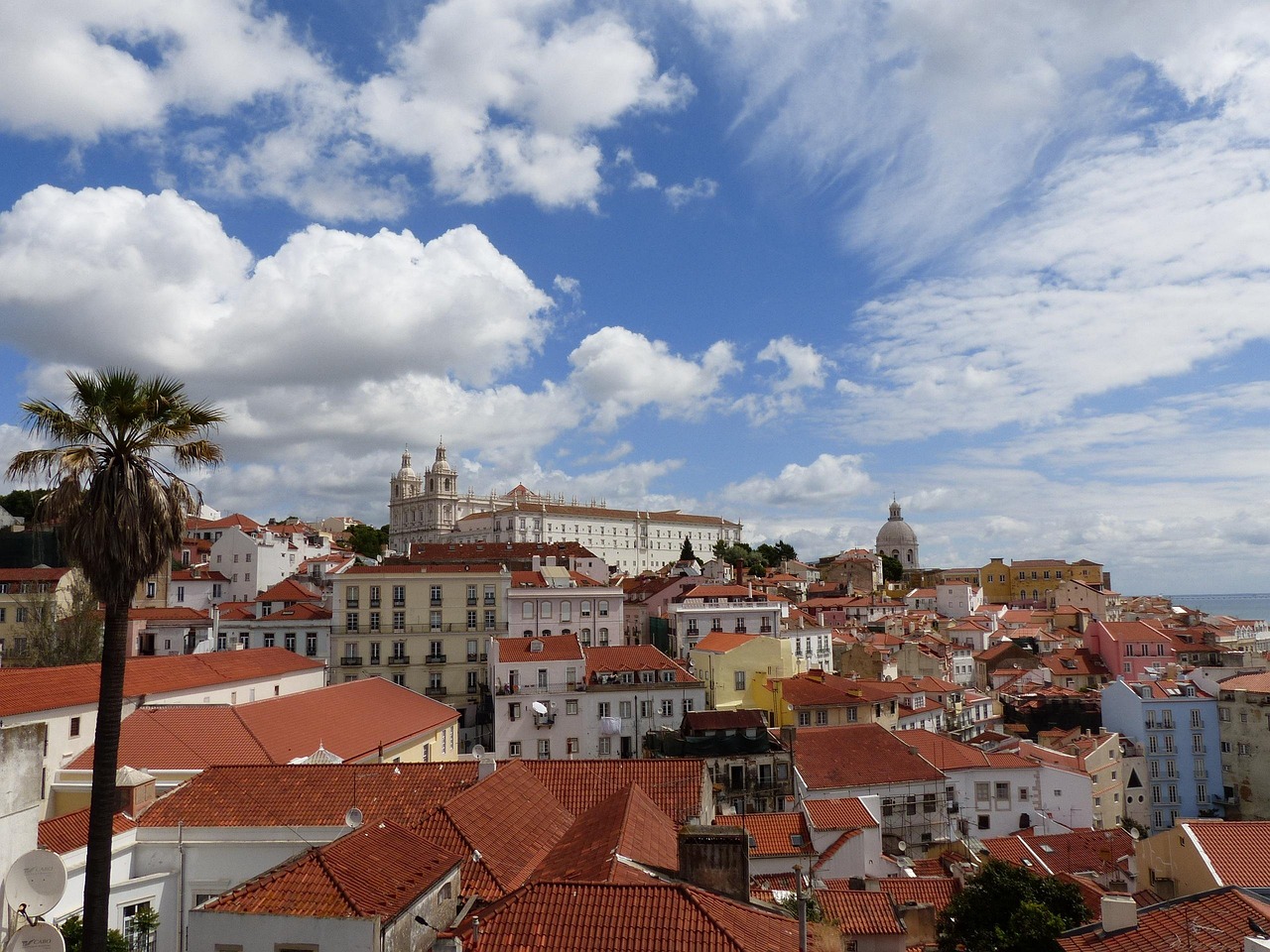
‘Mini-Adventure Planner – Lisbon, Portugal Edition,’
The Voices of Lisbon: A Prelude
“I’ve arrived at Lisbon, but not at a conclusion.” — Fernando Pessoa, The Book of Disquiet
“By day Lisbon has a naive theatrical quality that enchants and captivates, but by night it is a fairy-tale city, descending over lighted terraces to the sea.” — Erich Maria Remarque, The Night in Lisbon
“Lisbon is like a fair vision in a dream, clear-cut against a bright blue sky which the sun gladdens with its gold.” — Fernando Pessoa, Lisbon: What the Tourist Should See
“Lisbon is a judicious imperfection. Lisbon is the reflected sky.” — José Luís Peixoto, Portuguese novelist
“To move, to breathe, to fly, to float, to gain all while you give, to roam the roads of lands remote: To travel is to live.” — Hans Christian Andersen, on his travels in Portugal
“Any Portuguese town looks like bride’s finery – something old, something new, something borrowed, and something blue.” — Mary McCarthy, American novelist
“Lisbon: A city where the light is so clear and bright that it seems to wash the buildings and the soul alike.” — Traditional Portuguese Proverb
A Note for the Reader
These voices across history all speak to the same truth: Lisbon is not just a destination; it is an experience of light and time. As you begin your adventure, let these words remind you that your journey has no “conclusion”—only the next beautiful street corner, the next song, and the next discovery.
Welcome to the beginning of your journey. If you are holding this book, it means you are ready to discover—or perhaps rediscover—one of the most enchanting, soulful, and light-filled cities in the world. Lisbon, the “City of the Seven Hills,” is a place where the Atlantic breeze meets centuries of history, and where every golden sunset feels like a personal gift to those who stop to watch it.
Welcome to Lisbon: A City of Golden Light and Timeless Soul
Welcome, traveler. There is a specific kind of magic that belongs to Lisbon, a quality the Portuguese call Luz de Lisboa. It is a brightness that reflects off the white limestone buildings and the rippling Tagus River, creating a glow that makes the city feel as though it is constantly basking in a permanent afternoon.
For you, the senior explorer, Lisbon offers a pace of life that is increasingly rare in our fast-moving world. Here, the “slow” is celebrated. You will find it in the elderly gentleman meticulously arranging his fruit stall in the morning, in the grandmother leaning over her wrought-iron balcony to chat with a neighbor, and in the way a cup of coffee is never just a drink, but an occasion to sit, breathe, and watch the world go by.
You might have heard that Lisbon is a city of steep climbs and daunting stairs. While it is true that the city wears its history on its hills, this book is your secret key to bypassing the strain while keeping all the wonder. We have designed this planner specifically for you—focusing on the flat promenades, the hidden elevators, the accessible trams, and the most comfortable benches with the very best views. Lisbon is a city that rewards the curious, and we are here to ensure that your curiosity is met with comfort every step of the way.
Whether you are here for the world-class seafood, the haunting melodies of Fado, or the simple pleasure of seeing the “shore across the water,” we welcome you with open arms. Bem-vindo a Lisboa!
How to Use This Book: Your Map to Ease and Adventure
This isn’t a traditional travel guide meant to be read from cover to cover in one sitting. Instead, think of this book as a “choose-your-own-adventure” menu, specifically calibrated for the needs, interests, and energy levels of the modern senior.
The Adventure Chapters
The book is divided into six thematic “Adventures.” Each one focuses on a different facet of the Lisbon experience:
-
Exploration & Discovery: Focuses on the “how” of the city—using ferries, lifts, and tuk-tuks to see the sights.
-
Culture & Historic: A deep dive into the monuments and museums that tell Portugal’s imperial story.
-
Outdoor Adventures: Your guide to the gardens, parks, and riverside walks where the air is fresh and the terrain is level.
-
Creativity & The Arts: An exploration of the city’s tactile beauty, from tile-painting to world-class private art collections.
-
The Foodie Senior: A culinary roadmap focusing on authentic flavors and the most comfortable, accessible dining rooms.
-
The Science & Education Trail: For the lifelong learner, focusing on marine biology, design, and structural innovation.
Navigating the Content
To help you plan with confidence, every chapter includes:
-
The “Half-Day” vs. “Full-Day” Itinerary: Not every day needs to be a marathon. We provide “Low-Energy” and “High-Discovery” options for each theme.
-
Senior-Specific “Intel”: We highlight exactly where the elevators are, which museums have portable stools, and which neighborhoods are best navigated by taxi.
-
“Memory Makers”: Creative prompts to help you document your trip in a way that goes beyond just taking photos.
-
Dining for Seniors: We don’t just recommend good food; we recommend restaurants with back support, manageable noise levels, and easy-to-read menus.
A Brief Anecdote from a Fellow Traveler: > “On my first day in Lisbon, I looked at the hill leading to the Castle and almost gave up. Then I found the public lift hidden inside a supermarket on Rua dos Fanqueiros. I went from the street level to a stunning panoramic terrace in 30 seconds—for free. That was the moment I realized Lisbon isn’t hard to navigate; you just have to know where the secrets are. This book is full of those secrets.”
About the City: A Tapestry of Sea, Stone, and Resilience
To walk through Lisbon is to walk through layers of time. Founded by the Phoenicians (or, as legend has it, by Ulysses himself), it is one of the oldest cities in Western Europe—older than London, Paris, or even Rome.
A City Shaped by the Sea
Lisbon’s identity is inextricably linked to the Atlantic. In the 15th and 16th centuries, this was the “Starting Line of the World.” From the shores of Belém, explorers like Vasco da Gama set sail to map the unknown. This “Age of Discovery” brought immense wealth to the city, which you can still see today in the gold-leafed altars of its churches and the grand limestone monuments along the river.
The Great Pivot: 1755
The most defining moment in Lisbon’s history occurred on All Saints’ Day in 1755. A massive earthquake, followed by a tsunami and a fire, leveled the city. But from those ashes rose the “Pombaline” Lisbon you see today. The Marquis of Pombal rebuilt the city center (the Baixa) with the world’s first earthquake-resistant buildings, creating the elegant, grid-like streets that are so easy for us to walk today.
The Culture of “Saudade”
You cannot understand Lisbon without understanding Saudade. There is no direct English translation, but it is a sort of “pleasant melancholy”—a longing for something or someone that is gone. You’ll hear it in the Fado music that wafts out of the Alfama doorways at night. It isn’t sadness; it’s a deep appreciation for the beauty of the past. As a senior traveler, you might find that this cultural respect for history and memory resonates deeply with your own life experiences.
Additional Information: Getting Excited for Your Adventure
As you prepare to step out into the sunlight, here are a few extra “nuggets” of information to get your heart racing for the journey ahead.
The Pavement Under Your Feet
One of Lisbon’s most unique features is the Calçada Portuguesa—the black and white limestone mosaics that pave the sidewalks. These aren’t just paths; they are art. You’ll see patterns of ships, stars, and geometric waves.
-
Pro-Tip: While beautiful, these can be slippery when wet! This book will remind you to wear your sturdiest rubber-soled shoes so you can admire the art without a slip.
The “Shore Across the Water”
Lisbon is built on the north bank of the Tagus (Tejo) River. Because the river is so wide at this point, the opposite bank (Almada) looks like a different country. The sight of the “shore across the water” provides a sense of vastness and peace. Taking the ferry across—a simple, 10-minute trip—is one of the most soul-stirring and affordable adventures you can have.
A Respect for Elders
In Portugal, family and age are treated with immense respect. It is very common to see three generations eating lunch together on a Sunday. As a senior, you will find that people are generally very patient and helpful. If you look a bit lost or need a seat on a crowded tram, don’t be surprised if a younger local immediately offers assistance with a smile.
The Weather: A Gentle Companion
Lisbon enjoys over 300 days of sunshine a year. Even in the winter, the “rain” is often just a misty Atlantic spray that clears quickly, leaving the city looking washed and sparkling. The climate is temperate and kind to joints and lungs, making it one of the healthiest places in Europe to spend your time.
Final Encouragement
You might be traveling solo, with a partner, or with your family. No matter your configuration, Lisbon has a way of meeting you exactly where you are. It is a city that doesn’t demand you “keep up” with it. Instead, it invites you to sit in a plaza, enjoy a Pastel de Nata, and let the 2,000 years of history come to you.
We have done the research, mapped the elevators, and tasted the tarts. All that is left for you to do is turn the page and choose which Lisbon you want to discover first. Your adventure begins now.
A successful journey is built on a foundation of ease. For the senior traveler, “planning” isn’t just about booking a flight; it’s about curate-ing an experience that respects your energy, your mobility, and your sense of wonder. Lisbon is a city that rewards the prepared. Because of its unique geography and historic charm, a few pieces of specialized “senior intel” can transform a challenging day of climbing into a seamless day of discovery.
Planning Your Adventure: The Senior’s Guide to Smooth Travels
In this section, we move from the “what” to the “how.” We will cover the logistics of preparing your suitcase, the secrets of Lisbon’s transport network, and the small safety details that ensure your only surprises are pleasant ones.
Preparing for Your Trip: The Essentials of Ease
Preparing for Lisbon requires a slightly different mindset than preparing for a flat city like London or Amsterdam. Here, the “gear” you bring and the way you schedule your arrival can make a world of difference.
1. The Footwear Foundation
If there is one piece of advice to take to heart, it is this: Lisbon is not the place for new shoes. The city is famous for its calçada portuguesa—the beautiful but often uneven and slippery limestone mosaic sidewalks.
-
The Grip Test: Look for rubber soles with deep treading. Leather-soled shoes are a hazard on polished limestone, especially if there is a light Atlantic mist.
-
Support over Style: Bring shoes with excellent arch support. Even if you plan on using the lifts and taxis mentioned in our adventure chapters, you will still be doing a fair amount of “micro-walking” through museums and markets.
2. The “Layered” Suitcase
Lisbon’s weather is a delightful dance. You can be basking in 75-degree sunshine at noon and feeling a brisk, 55-degree Atlantic breeze by 6:00 PM.
-
The Pashmina/Light Scarf: A must for both men and women. It protects from the river breeze and serves as a respectful cover if you decide to pop into a historic church.
-
The “Atlantic Shield”: A very lightweight, packable waterproof windbreaker is far more useful than a heavy umbrella, which can be difficult to manage in the narrow, wind-swept streets of Alfama.
3. Pre-Trip Health & Tech Check
-
The Medication Map: Ensure you have your prescriptions written in their generic chemical names. Portuguese pharmacists (Farmácias) are excellent and highly trained, but they recognize generic names more easily than North American or British brand names.
-
The “Lisboa Card” Decision: Research the Lisboa Card before you leave. For many seniors, it’s worth it not just for the discounts, but because it acts as a “Golden Key”—allowing you to hop on any tram, bus, or lift without fumbling for coins or navigating ticket machines.
-
The Connectivity Step: Download Bolt or Uber onto your smartphone before you leave home. Having a car-hailing app ready means you are never “stranded” at the bottom of a hill; a comfortable, climate-controlled car is always only three minutes away.
Navigating the City: Moving with Grace and Speed
Lisbon offers some of the most charming transportation in the world, but for the senior traveler, the trick is knowing which mode to use for which “layer” of the city.
1. The Underground (Metro)
The Metro is the fastest way to get from the airport to the city center or to the modern Parque das Nações (Adventure 6).
-
The Senior Advantage: Most major stations (especially Oriente, Baixa-Chiado, and Aeroporto) have excellent elevator access. Look for the “Elevador” signs rather than the “Escadas” (stairs).
-
The Visual Art: Many stations, like Olaias, are underground art galleries. If you have the energy, take a moment to admire the tile work—it’s a museum trip for the price of a train ticket!
2. The Trams (Elétricos)
The yellow Tram 28 is iconic, but for seniors, it can be a challenge because it is often packed with standing tourists.
-
Strategic Tip: If you want the “Tram Experience” without the squeeze, head to the Carris Museum (Adventure 4). You get a ride on a vintage tram included in your ticket, with a guaranteed seat and a much smoother pace.
-
The Modern Tram 15: This is the large, articulated tram that runs from the city center to Belém. It is much more accessible for those with limited mobility than the tiny vintage ones.
3. Taxis and Ride-Hails: Your Secret Weapon
In Lisbon, taxis and apps like Bolt are surprisingly affordable.
-
Door-to-Door Discovery: For the “Culture & Historic” trail (Adventure 2), always take a taxi to the São Jorge Castle or the Pantheon. It saves your legs for the actual exploration inside the monuments.
-
The “Flat Rule”: If your destination is more than two “blocks” uphill, call a car. It will likely cost less than €6 and will preserve your energy for the “Foodie Senior” experiences (Adventure 5) later in the evening.
4. The Iconic Lifts (Elevadores)
Think of these not as transport, but as vertical streets.
-
Santa Justa Lift: Connects the lower Baixa to the higher Largo do Carmo.
-
Elevador da Glória: A funicular that saves you from a 17% incline walk.
-
The “Secret” Lifts: Look for the public elevators inside the Baixa/Chiado Metro and the Castelo Lift (located inside a Pingo Doce supermarket on Rua dos Fanqueiros). These are the true “insider” ways to move vertically for free.
Safety Tips for Seniors: Peace of Mind in the City of Light
Lisbon is consistently ranked as one of the safest capitals in Europe. However, like any major tourist destination, it requires a bit of “street smarts” tailored to the senior experience.
1. The “Limestone Slip” Awareness
The most common “injury” for seniors in Lisbon isn’t crime; it’s a tumble on the cobblestones.
-
Watch the Shine: The more “polished” and shiny the stone looks, the more slippery it is.
-
Use the Handrails: Many of the steeper streets in Alfama have recently had sturdy handrails installed. Don’t be proud—use them!
2. Pickpocket Prevention in Crowded Zones
Pickpockets in Lisbon are professionals who look for distracted tourists, particularly on Tram 28 and in the Belém area.
-
The Front-Carry Rule: If you carry a purse or a small backpack, wear it on your front in crowded areas or on public transport.
-
Avoid the “Helpful Stranger”: Be wary of anyone who “accidentally” spills something on you or offers to help you with a ticket machine. These are often distraction techniques.
-
The Hotel Safe: Leave your passport and bulk cash in the hotel safe. You only need a photo of your ID on your phone and one credit card for your daily adventures.
3. Heat and Hydration Side-Note
The Lisbon sun is deceptively strong because of the Atlantic breeze.
-
The “Chafariz” Discovery: Lisbon is full of historic stone drinking fountains. The water is safe, cold, and free.
-
Siesta Science: Do as the locals do. Between 2:00 PM and 4:00 PM, when the sun is at its peak, find a shaded museum (like the Gulbenkian, Adventure 4) or head back to your hotel for a rest. Your evening “Fado & Dinner” (Adventure 5) will be much more enjoyable if you’ve had a mid-day recharge.
Additional Information: The Little Things That Make a Big Difference
The “Golden Age” Discount
In Portugal, the age of 65 is your “Golden Ticket.” Almost every museum, monument, and transport ticket offers a significant discount (often 50%) for those 65 and over.
-
Always Ask: Even if a price isn’t listed, ask “Desconto para sénior?” You will need to show a photo ID (like a driver’s license or passport) to prove your age.
The Pharmacy (Farmácia) Culture
Portuguese pharmacies are a marvel. They are marked by a bright, blinking green cross.
-
More than Medicine: Pharmacists here can provide advice on minor ailments, perform blood pressure checks, and often suggest over-the-counter remedies that would require a prescription in other countries. It’s a great first stop for any minor health “hiccups.”
Language: The Friendly “Obrigado”
While English is widely spoken in the tourist areas, a little Portuguese goes a long way in the “Foodie” markets (Adventure 5).
-
Obrigado/a: Thank you (men say Obrigado, women say Obrigada).
-
Bom dia: Good morning.
-
Com licença: Excuse me (perfect for navigating through a crowded market).
-
A conta, por favor: The bill, please.
A Final Note on “Lisbon Time”
In Lisbon, time is elastic. A “quick coffee” can last 45 minutes. A “10-minute” wait for a tram might be 15. The secret to enjoying this city as a senior is to lean into this rhythm. Don’t over-schedule. Allow for the “unplanned discovery”—the street musician playing a beautiful cello piece in a tunnel, or the smell of roasting sardines that lures you into a side alley.
Lisbon isn’t a city to be “conquered”; it’s a city to be inhaled. By planning for comfort, prioritizing your mobility, and staying aware of your surroundings, you are setting the stage for one of the most enriching chapters of your travel life.
This section is designed to help your readers sift through the riches of Lisbon and tailor their trip to their specific energy levels and passions.
Adventure Styles: Finding Your Lisbon Rhythm
Every traveler brings a different lens to a city. Some want to understand the geological bones of the earth, while others want to know what the local grandmother is stirring in her copper pot. In this chapter, we help you “find your style.” Lisbon is a versatile stage; it can be a high-energy maritime exploration or a quiet, contemplative artistic retreat.
Below, we break down the six core adventure styles featured in this planner to help you decide where to begin your journey.
Choosing Your Adventure Style
| Adventure Style | The “Soul” of the Trip | Why Seniors Love It | Key Experience |
| Exploration & Discovery | Navigating the city’s unique, hilly terrain with ease. | Focuses on comfort, using lifts, ferries, and tuk-tuks to bypass steep climbs. | The “Splashdown” into the Tagus with the Hippotrip. |
| Culture & Historic | Stepping back into the “Age of Discovery” and Imperial glory. | High-quality accessible museums and monuments with rich narratives. | The opulent, climate-controlled National Coach Museum. |
| Outdoor Adventures | Fresh Atlantic air and lush, level botanical escapes. | Prioritizes flat walking paths and shaded benches for resting. | The silent, glass-walled gondola ride over the river. |
| Creativity & The Arts | An intimate look at the “detail” of the city—tiles, trams, and private collections. | Slower pace, meditative activities, and smaller, quiet galleries. | Hand-painting a traditional tile at a historic showroom. |
| The Foodie Senior | An edible journey through Portugal’s maritime and pastry traditions. | Focuses on seated comfort, authentic flavors, and social dining. | A seated, cinnamon-dusted morning at Pastéis de Belém. |
| Science & Education | For the lifelong learner interested in marine biology and innovation. | Modern, fully accessible facilities with world-class exhibits. | Standing before the “One Ocean” tank at the Oceanário. |
1. The Active Explorer (Exploration & Discovery)
This style is for the senior who wants to see the “big picture.” You aren’t afraid of a bit of movement, provided there is a clever way to get there. You’ll love the feeling of the wind on the ferry to Cacilhas and the thrill of a tuk-tuk zipping through the Alfama.
-
Key Mindset: “How does this city work, and how can I see it all without wearing out my knees?”
2. The Historian (Culture & Historic)
If you find yourself reading every plaque in a museum, this is for you. This style prioritizes the grand narrative of Portugal. You’ll spend your time in the wide cloisters of Jerónimos or the marble halls of the Pantheon.
-
Key Mindset: “I want to connect with the ghosts of the explorers and the kings.”
3. The Nature Lover (Outdoor Adventures)
Some travelers need green space to feel at home. This style is about the “Lungs of Lisbon.” You’ll seek out the cool shade of the Estufa Fria and the wide-open horizons of the Belém promenade.
-
Key Mindset: “I want to feel the Atlantic breeze and see the flowers in bloom.”
4. The Artisan (Creativity & The Arts)
This style appeals to the contemplative soul. It’s for those who enjoy the “micro” level of a city—the pattern on a tile, the chime of a tram, or the brushstroke on a canvas. It is the quietest of the adventure styles.
-
Key Mindset: “I want to slow down and notice the beauty in the small things.”
5. The Gourmet (The Foodie Senior)
For you, a map is just a list of places to eat. This style is about the sensory joy of Portugal. You’ll navigate by the smell of roasting coffee and the sound of Fado singers. You value hospitality and a well-poured glass of wine.
-
Key Mindset: “To know a culture, you must taste its salt and its sugar.”
6. The Lifelong Learner (Science & Education)
This style is for the traveler who never stopped being a student. You want to understand the engineering of the bridges and the biology of the deep sea. You appreciate modern architecture and interactive exhibits.
-
Key Mindset: “I want to leave this city knowing more than when I arrived.”
Customizing Your Itinerary: The “Mix & Match” Method
One of the greatest joys of being a senior traveler is that you no longer have to prove anything to anyone. You can move as fast or as slow as you like. Here is how to use this book to build a day that feels tailor-made for you.
Step 1: Identify Your “Anchor” Activity
Choose one “must-see” location from any of the chapters. This is your high-energy event for the day. For example, if you choose the Oceanário (Science Trail), make that your 10:00 AM start.
Step 2: Choose a “Restorative” Secondary Stop
Look at a different chapter for your afternoon. If you did the high-stimulus Science Trail in the morning, perhaps match it with an Outdoor Adventure in the afternoon—like a quiet sit in the Jardim da Estrela.
Step 3: Add a “Foodie” Finale
Every day should end with a seated culinary experience. Use the Foodie Senior chapter to find a restaurant near your afternoon stop.
Step 4: Use the “Pace Pivot”
Be honest with your energy levels. We’ve designed these adventures to be modular.
-
The “Rainy Day” Pivot: If the clouds roll in, swap an Outdoor Adventure for a Creativity & Arts stop (like the Tile Museum).
-
The “Energy Saver” Pivot: If you’re feeling tired after a morning of History, skip the walk and take a taxi directly to a Foodie lunch.
Tip Box: The “Rule of One” > Try to limit yourself to one major site per day. In Lisbon, the “getting there” is an adventure in itself. By focusing on one anchor activity, you leave room for the magic of a long lunch or an unplanned conversation with a local.
Final Thoughts: Your Lisbon, Your Way
Lisbon is a city of layers. You can spend a day exploring the 16th century and the next day exploring the 21st. The beauty of this planner is that it gives you the “senior-specific” details—the elevators, the flat paths, and the quiet corners—so you can focus on the wonder rather than the logistics.
Whether you are here for the art, the science, the history, or the simple joy of a custard tart by the river, remember that the best adventure is the one that leaves you feeling refreshed and inspired.
Welcome to your first step into the heart of the Portuguese capital! This chapter is designed to help you navigate the city’s stunning geography with ease, focusing on the thrill of discovery without the physical strain of the famous hills.
Adventure 1: Exploration & Discovery
Lisbon is often called the “City of the Seven Hills,” a title that can sound a bit daunting if you’re looking for a relaxing stroll. However, the true magic of exploration in this city lies in how the locals have conquered those heights. From amphibious vehicles that splash into the Tagus to secret vertical elevators hidden in plain sight, discovery here is about the journey as much as the destination.
In this chapter, we focus on the “view from the water” and the effortless “lift” to the heights. You’ll find that by using the right tools—be it a cable car, a ferry, or a private electric tuk-tuk—you can experience the most dramatic vistas in Europe while keeping your feet firmly and comfortably planted.
Itinerary Overview: Navigating the Tagus
To help you plan your perfect day of discovery, we’ve outlined two distinct paths. One focuses on the historic riverfront of Belém, while the other explores the modern, sea-themed district of Parque das Nações.
The “River & Rails” Full-Day Adventure
Best for: A comprehensive overview of both old and new Lisbon.
-
09:30 AM – The Hippotrip: Start your morning at the Doca de Santo Amaro. This 90-minute tour provides the perfect seated overview of the city before “splashing” into the river for a unique perspective of the Belém monuments.
-
11:30 AM – Baixa Exploration: Take a taxi or a quick tram to the Baixa district. Use the Elevador de Santa Justa or the Elevador da Glória to ascend to the viewpoints of Chiado or Bairro Alto for stunning photos without the climb.
-
01:00 PM – Lunch in Baixa: Enjoy a relaxed seafood lunch (see our Dining Recommendations).
-
03:00 PM – The Ferry Crossing: Walk the flat path to the Cais do Sodré terminal and catch the 10-minute ferry to Cacilhas. Spend an hour walking the flat pier on the opposite shore for the best “skyline” view of Lisbon.
-
05:00 PM – Sunset Return: Head back across the water as the city begins to glow in the golden evening light.
The “Modern Horizons” Half-Day Plan
Best for: Those seeking complete accessibility and modern comforts.
-
10:30 AM – Parque das Nações Arrival: Head to the eastern side of the city. This area was built for Expo ’98 and is entirely flat.
-
11:00 AM – The Telecabine: Board the cable car at the South Station (near the Oceanarium) and glide silently over the river to the Vasco da Gama Tower.
-
12:00 PM – Riverside Stroll: Walk back toward the Oceanarium along the wide, paved Promenade. There are plenty of benches every few hundred feet.
-
01:30 PM – Waterfront Dining: Enjoy a meal at one of the many glass-fronted restaurants overlooking the marina.
Detailed Activities and Experiences
1. The Hippotrip Amphibious Tour
Imagine sitting in a bright yellow bus, driving past the ornate Jerónimos Monastery, and then—without stopping—driving straight into the Atlantic-fed waters of the Tagus River. The Hippotrip is the definition of “Exploration & Discovery.” It is an immersive, 90-minute experience that combines a guided city bus tour with a boat cruise.
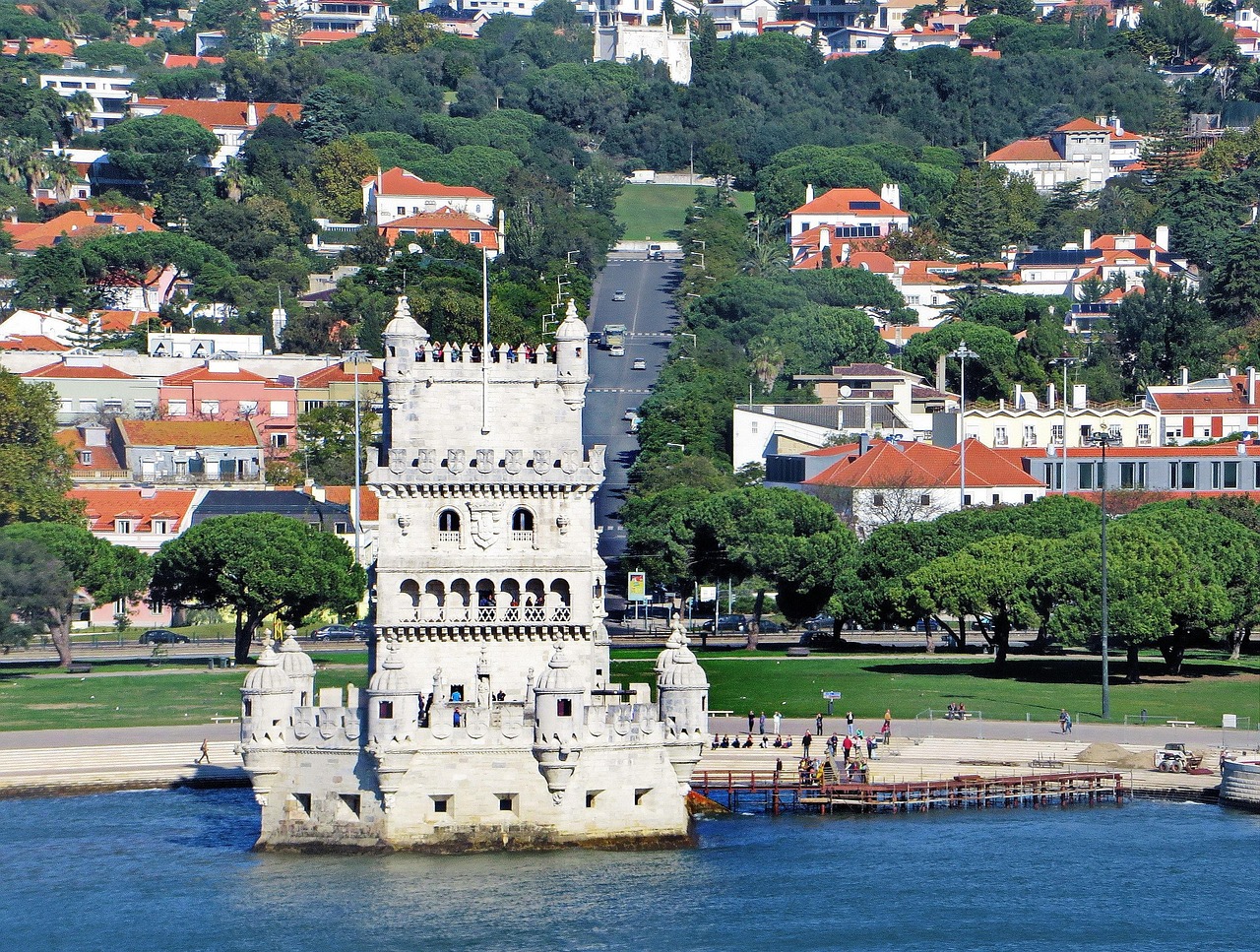
For seniors, this is a gold-standard activity. The vehicle is high-off the ground, providing excellent sightlines over the traffic and crowds. Once the “splashdown” happens, the pace slows significantly. You’ll bob gently on the water, drifting past the Belém Tower and the Monument to the Discoveries. It’s a thrill that doesn’t require a single step of exertion, making it perfect for those who want the “adventure” of a boat trip with the stability of a larger craft.
The guides are famously high-energy, sharing myths, legends, and historical facts in multiple languages. They ensure the atmosphere is lighthearted, which makes the discovery of Lisbon’s maritime history feel like a fun afternoon out with friends rather than a dry history lecture.
-
Why it fits the theme: It allows you to “discover” the city from two completely different vantage points (land and sea) in a single journey.
-
Senior-Specific Highlight: The “seated adventure” aspect. You remain in the same comfortable seat throughout the entire land-to-water transition.
2. Telecabine (Lisbon Cable Car)
If you’ve ever wanted to see the Tagus River from the perspective of a seagull, the Telecabine is your ticket. Located in the modern Parque das Nações district, these silent, glass-walled gondolas glide 30 meters above the riverbank. The ride lasts about 10 minutes and covers a 1.2-kilometer stretch of the waterfront.
This experience is particularly valuable for seniors because it bridges the gap between the Oceanarium and the Vasco da Gama Tower—a walk that can feel long under the afternoon sun. Inside the gondola, you are shielded from the wind (or rain), and the 360-degree views allow you to see the 17-kilometer-long Vasco da Gama Bridge stretching into the horizon.
It is a “slow-motion” discovery. Unlike a fast-moving bus or train, the cable car allows you to linger over the view. You can spot the patterns in the Portuguese pavement below and watch the sailboats on the river, all while enjoying a moment of absolute quiet in the middle of a bustling city.
-
Why it fits the theme: It provides a “discovery” of modern Lisbon, highlighting the architecture and engineering that transformed the city in the late 20th century.
-
Senior-Specific Highlight: Full wheelchair accessibility and level boarding at both the North and South stations.
3. Private “Tok Tok” (Electric Tuk-Tuk) Tours
The narrow, winding alleys of the Alfama and Mouraria districts are the soul of Lisbon, but they are also home to the steepest, most uneven cobblestones in the city. The Electric Tuk-Tuk (locally called “Tok Toks”) is the secret weapon for senior explorers. These small, open-air vehicles can navigate streets that are too narrow for buses and too steep for many walkers.
Unlike the larger tours, a private tuk-tuk is intimate. You can ask your driver to stop at a specific “Miradouro” (viewpoint) for as long as you like. Most drivers are local experts who can point out hidden street art, tiny fado taverns, and the best places to grab a ginjinha (cherry liqueur).
Because they are electric, they are whisper-quiet and eco-friendly, allowing you to hear the sounds of the neighborhood—laundry flapping on lines, neighbors chatting, and the faint sound of fado—without the roar of an engine. It’s an “active” discovery where you feel part of the environment without the physical toll.
-
Why it fits the theme: It’s the only way to “discover” the hidden, ancient corners of Lisbon’s hills without a strenuous hike.
-
Senior-Specific Highlight: Door-to-door service. Most companies will pick you up directly from your hotel or a flat central square.
4. Vertical Connectivity: Elevador da Glória & Santa Justa
In most cities, an elevator is a boring necessity. In Lisbon, they are historic monuments. The Elevador da Glória (a funicular tram) and the Elevador de Santa Justa (a Neo-Gothic iron tower) were built over a century ago to help residents “discover” the upper city without fainting from exhaustion.
The Santa Justa Lift is an architectural marvel designed by a student of Gustave Eiffel. Taking the wood-paneled lift to the top provides a dramatic “reveal” of the Rossio Square below. Similarly, the Glória Funicular grinds its way up a 17% incline, passing vibrant street art galleries on its way to the San Pedro de Alcântara viewpoint.
For seniors, these are essential time and energy savers. They turn a 20-minute uphill climb into a 3-minute historic experience. Using them is like taking a time machine; the creaking wood and brass fittings remind you of the Lisbon of the 19th century while efficiently delivering you to some of the best views in the world.
-
Why it fits the theme: They are “Discovery Tools” that reveal the city’s layered topography.
-
Senior-Specific Highlight: These are part of the public transit network, making them very affordable (or free with a Lisboa Card).
5. Cacilhas Ferry Crossing
To truly understand Lisbon, you have to leave it—briefly. The Cais do Sodré to Cacilhas Ferry is a short, 10-minute commute used by thousands of locals, but for the explorer, it’s the best “budget cruise” in the city. As the orange ferry pulls away from the terminal, the entire panorama of Lisbon unfolds.
On the Cacilhas side, the discovery continues. The pier is completely flat and lined with historic warehouses and seafood restaurants. You can walk along the “shore across the water,” looking back at the 25 de Abril Bridge and the Christ the King statue.
This is a “low-impact” adventure. The ferry terminals are modern and have elevators/ramps, and the boats themselves have large windows and indoor seating if it’s a rainy day. It’s the perfect way to spend an hour feeling the sea breeze and seeing the city from its most flattering angle—the water.
-
Why it fits the theme: It offers the “discovery” of the Almada shore and the most iconic skyline view of Lisbon.
-
Senior-Specific Highlight: Inexpensive and highly frequent, allowing for a totally flexible, non-rushed schedule.
Accurate Contact Information
| Location / Activity | Address | Phone | Website / Hours | Notes |
| Hippotrip | Doca de Santo Amaro, Alcântara | +351 211 922 030 |
Daily 09:00–18:00 |
€18–22 for Seniors (65+). Wheelchair access requires 48hr notice. |
| Telecabine | Passeio Neptuno, Parque das Nações | +351 218 956 143 |
11:00–18:00 (Winter) |
€7.50 one way / €9.50 return. Fully wheelchair accessible. |
| Citytuk Tours | Rua Aquiles Monteverde 26 | +351 963 581 125 |
09:00–21:00 |
Private tours approx. €60–80/hr per vehicle. Pick-up available. |
| Santa Justa Lift | Rua do Ouro, Baixa | +351 213 503 100 |
07:30–21:00 (Winter) |
€5.30 return (or free with 24hr transit pass). Expect lines mid-day. |
| Cacilhas Ferry | Cais do Sodré Terminal | +351 213 407 000 |
05:30–01:00 |
€1.30 each way. Use your “Navegante” card for easy boarding. |
Family-Friendly & Senior-Friendly Dining
1. Doca de Santo (Near Hippotrip)
Located right at the Alcantara docks, this is the perfect spot after your amphibious tour. It features a large, glass-enclosed indoor area (great for rainy days) and a massive outdoor terrace.
-
Senior Appeal: Completely flat access, very quiet during lunch hours, and a menu that balances classic Portuguese cod (Bacalhau) with simple salads.
-
Family Bonus: It has an enclosed private playground within sight of the tables.
2. Este Oeste (Belém/Centro Cultural de Belém)
Located on the top floor of the CCB, this restaurant offers a “double discovery” of Italian and Japanese cuisine.
-
Senior Appeal: There is an elevator from the ground floor. The terrace offers one of the best (and most comfortable) views of the Belém Tower.
-
Dietary Accommodations: Excellent gluten-free pasta and fresh sushi options.
Creative Memory Makers
-
The “Two Shores” Photo Challenge: Take a photo of the 25 de Abril Bridge from the Lisbon side, and then another from the Cacilhas ferry. Side-by-side, these photos perfectly capture the theme of your exploration.
-
Pavement Journaling: Lisbon’s Calçada Portuguesa (mosaic sidewalks) have different patterns in every district. Carry a small notebook and sketch the pattern you see under your feet at each stop. It’s a beautiful way to remember the “ground” you covered.
-
The Postcard Discovery: At the top of the Santa Justa Lift, buy a postcard and write down the three most surprising things you saw from that height. Mail it to yourself; it’s a wonderful souvenir to find when you return home.
Tips for Customizing Your Itinerary
-
Weather Pivot: If it rains, prioritize the Hippotrip or the Telecabine. Both offer covered, climate-controlled environments that allow you to sightsee without getting wet.
-
Pace Control: If you are feeling tired, skip the walk between the Baixa and Cais do Sodré. Use the Green Line Metro (one stop) or a quick taxi to save energy for the ferry crossing.
-
The “Flat” Rule: When in doubt, stick to the river. The closer you are to the water, the flatter the terrain. Use the waterfront as your “main artery” for moving between the eastern (modern) and western (historic) parts of the city.
This chapter is a deep dive into the soul of Lisbon, designed specifically for the distinguished traveler who values depth over speed. We will move beyond the postcards to the actual stones that built the Portuguese Empire, focusing on locations that offer modern comforts—elevators, ramps, and ample seating—without sacrificing a single drop of historical magic.
Adventure 2: Culture & Historic Adventures
Lisbon is a city where history isn’t tucked away in textbooks; it’s under your feet in the mosaic sidewalks and towering above you in the limestone domes. For the senior traveler, the “Culture & Historic” theme is about connecting with the “Age of Discovery,” a time when Lisbon was the center of the world.
In this adventure, we prioritize accessibility. We’ll use secret public elevators to bypass the steep climbs of the Alfama and explore the flat, monumental district of Belém. Whether you are marvelling at the world’s most opulent horse-drawn carriages or standing in the quiet nave of a UNESCO-protected monastery, this chapter ensures your cultural journey is as comfortable as it is profound.
Itinerary Overview: The Timeless Trails
To make the most of Lisbon’s heritage, we’ve split these experiences into two distinct flows. The first focuses on the “Imperial Grandeur” of the riverfront, while the second explores the “Ancient Heart” of the city center.
The “Imperial Legacy” Full-Day Itinerary
Best for: Seeing the grandest monuments with the least amount of walking.
-
09:30 AM – The Grand Arrival: Start at the National Coach Museum. It is climate-controlled, spacious, and perfect for a morning when you have the most energy.
-
11:30 AM – The Manualine Masterpiece: A short, flat 5-minute taxi or tram ride brings you to the Jerónimos Monastery. Spend 90 minutes here, focusing on the accessible Cloisters and the Church.
-
01:00 PM – Riverside Lunch: Enjoy a meal at a nearby café in Belém (see our Dining section).
-
03:00 PM – Afternoon Reflection: Finish the day at the Lisbon Story Centre in the Praça do Comércio. This is a seated, multimedia experience that ties everything you saw in the morning into one cohesive narrative.
The “Ancient Vistas” Half-Day Plan
Best for: Capturing the best views of the old city with modern assistance.
-
10:00 AM – The Vertical Lift: Meet at the Elevador do Castelo on Rua dos Fanqueiros. Let the lift do the hard work of bringing you halfway up the hill.
-
11:00 AM – The Royal Citadel: Explore the São Jorge Castle. Use the “Accessible Route” to reach the eastern viewpoint for a panoramic view of the river.
-
01:00 PM – The Pantheon of Heroes: Take a taxi to the Panteão Nacional. Even if you stay on the ground floor, the scale of the marble and the history of the tombs are breathtaking.
Detailed Activities and Experiences
1. The National Coach Museum (Museu Nacional dos Coches)
There is no museum in Lisbon—and perhaps the world—that captures the sheer opulence of European royalty like this one. For seniors, the National Coach Museum is a dream of accessibility. Housed in a stunningly modern building by Pritzker-winning architect Paulo Mendes da Rocha, the space is vast, flat, and features high-speed elevators.
As you move through the “Great Hall,” you aren’t just looking at transportation; you are looking at rolling art. The Coach of the Oceans, with its intricate gold leaf and life-sized sculptures, was part of an embassy sent to the Pope in 1716. For the “Exploration & Discovery” enthusiast, these coaches are the ultimate symbols of how Portugal projected its power to the world.
What makes this particularly special for seniors is the pace. Unlike the crowded streets of Alfama, the Coach Museum is quiet and climate-controlled. There are plenty of places to sit and admire the detail of the 17th-century velvet interiors and the artistic evolution of the suspension systems—the “tech” of its day.
-
Senior-Specific Highlight: The building is 100% step-free, and the audio-guided tour is available via a simple smartphone app, allowing you to go as slow or as fast as you wish.
2. Jerónimos Monastery (Mosteiro dos Jerónimos)
The Jerónimos Monastery is the “Mount Everest” of Portuguese culture. Built to commemorate Vasco da Gama’s voyage to India, it is the pinnacle of “Manueline” architecture—a style that incorporates maritime symbols like ropes, coral, and sea monsters into the very stone.
For the senior visitor, the beauty of Jerónimos lies in its wide, level cloisters. While the exterior looks imposing, the internal courtyard is a peaceful sanctuary of light and carved stone. It is a place for “slow travel.” You can sit on the stone benches that line the cloister and watch the sun move across the intricate carvings, reflecting on the centuries of monks who did the same.
The Church of Santa Maria is adjacent and equally accessible. Inside, the sheer height of the columns—designed to look like palm trees—creates a sense of awe. You can visit the tomb of Vasco da Gama here without having to climb a single stair, standing at the very spot where the Age of Discovery was blessed.
-
Senior-Specific Highlight: Tactile routes and Braille information are integrated into the monument, and the Praça do Império gardens outside provide a flat, beautiful space to rest after your visit.
3. São Jorge Castle (Castelo de São Jorge)
Rising above the city, this Moorish citadel is the most iconic silhouette in Lisbon. Traditionally, reaching it meant a grueling uphill trek, but for the smart senior explorer, the Elevador do Castelo (the Castle Lift) has changed the game. This free public elevator whisks you from the flat Baixa district up to the mid-level slopes, leaving only a short, manageable stroll to the castle gate.
Once inside, the castle offers an “Accessible Route”—a specifically paved path with regularized flooring that allows those with mobility concerns to reach the eastern viewpoint. This is the best spot in the city to see the “shore across the water.” You can watch the ferries crossing the Tagus while leaning against 1,000-year-old walls.
The castle grounds are also home to a colony of peacocks, adding a touch of whimsy to the historic site. It is a place of deep layers; you can see Roman ruins, Moorish foundations, and Portuguese fortifications all in one afternoon. It is the ultimate classroom for the history lover.
-
Senior-Specific Highlight: The castle offers inclusive visits and has four wheelchairs available for guest use at the ticket office.
4. The National Pantheon (Panteão Nacional)
Located in the historic Santa Engrácia church, the National Pantheon is a masterpiece of Baroque marble. It serves as the final resting place for Portugal’s greatest figures, from presidents to fado singers like Amália Rodrigues.
For seniors, the Pantheon is a sensory experience. The echo of the dome, the cool temperature of the marble, and the absolute symmetry of the floor patterns are mesmerizing. While the climb to the dome involves steep, narrow stairs, the ground floor is fully accessible via a ramp and offers plenty of seating to admire the massive cenotaphs.
It is particularly valuable for its quietude. Often less crowded than the monuments in Belém, it provides a dignified space to contemplate the history of the country. If you visit on a Tuesday or Saturday, you can combine this with a stroll through the Feira da Ladra (thieves’ market) just outside, which is a lively, culturally rich “discovery” in its own right.
-
Senior-Specific Highlight: Senior tickets (65+) are half-price (€2.50), and the ground-floor accessibility is excellent.
5. Lisbon Story Centre
Before you end your day, the Lisbon Story Centre in the Praça do Comércio is a must. Think of this as the “Introduction and Conclusion” to your trip. It is a state-of-the-art multimedia museum that uses high-quality audio guides to tell the story of the city in 60 minutes.
The highlight for many is the “Earthquake Room,” which uses 4D effects to simulate the Great Earthquake of 1755. It is engaging without being physically jarring, allowing you to understand the tragedy and the subsequent “Enlightenment” rebuilding of the city.
The center is entirely flat and features an elevator to the upper floor. It is a “low-energy” way to soak up a massive amount of culture. It’s perfect for a rainy afternoon or a day when your legs need a break but your mind is still hungry for discovery.
-
Senior-Specific Highlight: The GPS-enabled audio guide starts and stops automatically as you walk, so you never have to worry about “keeping up” with a group.
Accurate Contact Information
| Location / Activity | Address | Phone | Website / Hours | Notes |
| National Coach Museum | Av. da Índia 136, Belém | +351 210 732 319 |
Tue–Sun: 10:00–18:00 |
€8 (Senior discounts apply). Modern facility with elevators. |
| Jerónimos Monastery | Praça do Império, Belém | +351 213 620 034 |
Tue–Sun: 10:00–17:30 |
€10 (Senior 65+ 50% off). Best visited at 10:00 AM. |
| São Jorge Castle | Rua de Santa Cruz, Alfama | +351 218 800 620 |
Daily 09:00–18:00 (Winter) |
€15 (Senior 65+ €12.50). Accessible route available. |
| National Pantheon | Campo de Santa Clara | +351 218 854 750 |
Tue–Sun: 10:00–17:00 |
€5 (Senior 65+ €2.50). Ground floor is wheelchair accessible. |
| Lisbon Story Centre | Praça do Comércio 78 | +351 211 941 027 |
Daily 10:00–19:00 |
€7 (Senior discounts available). 100% accessible. |
Senior-Friendly Dining Recommendations
1. Pastelaria Aloma (near the Pantheon/Alfama)
After exploring the Pantheon, find a table at Aloma. While Belém has the “original” tart, Aloma has won several awards for the best Pastel de Nata in the city.
-
Senior Appeal: It offers a quieter, local neighborhood feel with plenty of indoor seating and clean restrooms.
-
Dietary Note: They offer excellent “meia de leite” (Portuguese latte) which is gentler on the stomach than a strong espresso.
2. Restaurante Zambeze (at the top of the Castle Lift)
If you take the Elevador do Castelo, you will arrive at the doorstep of Zambeze. It is a fusion of Portuguese and Mozambican flavors.
-
Senior Appeal: The terrace is magnificent and flat. You get the “castle view” without the castle climb. It’s perfect for a long, “slow food” lunch.
-
Special Feature: Elevators take you from the street level directly to the dining room.
Creative Memory Makers
-
The “Manualine” Scavenger Hunt: While at Jerónimos, try to find three different stone carvings: a piece of rope, a seashell, and an exotic fruit. Photograph each one. These are the “signatures” of the Age of Discovery.
-
The Royal Portrait Gallery: At the Coach Museum, don’t just look at the coaches. Look at the paintings of the royal families on the walls. Choose one person who looks like they would have been the most fun to have dinner with and write a one-sentence “diary entry” from their perspective in your journal.
-
Marble Rubbings: (If permitted) or simply “Texture Photos.” The Pantheon has incredible multi-colored marble. Take close-up photos of the different stone textures to create a “color palette” of Lisbon in your photo album.
Tips for Customizing Your Itinerary
-
Beat the Crowds: Jerónimos and the Castle are the busiest spots. Arrive 15 minutes before opening or visit in the last 90 minutes of the day to enjoy a more serene atmosphere.
-
The “Taxi-Hop”: While Lisbon is walkable, the “Culture & Historic” sites are spread out. Don’t hesitate to use Uber or Bolt between Belém and the Pantheon. It costs very little and preserves your energy for the walking tours inside the monuments.
-
Rainy Day Strategy: The National Coach Museum and the Lisbon Story Centre are the best “all-weather” options. Both are indoors and fully climate-controlled.
-
Combined Tickets: Ask about the “Lisboa Card” at your first stop. If you plan to see three or more of these sites, it usually pays for itself and includes all your transport (including the elevators!).
This chapter focuses on the “Green and Blue” of Lisbon—the lush botanical sanctuaries and the sweeping riverside paths that offer fresh Atlantic air and a respite from the urban buzz. We have carefully curated these “Outdoor Adventures” to prioritize flat terrain, ample shade, and places where the “view across the water” remains your constant companion.
Adventure 3: Outdoor Adventures
Lisbon’s natural beauty is often overshadowed by its historic monuments, but for the senior traveler, the city’s parks and promenades offer some of the most rewarding and accessible “Discovery” experiences. In this chapter, we step away from the limestone and into the leafiness. We’ve selected five premier locations where the adventure is found in a blooming orchid, a riverside breeze, or a quiet bench under a century-old dragon tree.
From the manicured modernism of the Parque das Nações to the wild, panoramic heights of Monsanto, these adventures are designed to be “low-impact but high-reward.” We prioritize the “flat and the breezy,” ensuring you can soak in the Portuguese sun without the physical toll of the city’s verticality.
Itinerary Overview: Fresh Air & Open Vistas
Whether you want a short morning stroll or a full day immersed in nature, these paths balance activity with plenty of “rest-and-reflect” stops.
The “Botanical & Breeze” Full-Day Itinerary
Best for: A blend of garden tranquility and riverside energy.
-
10:00 AM – Morning at Jardim da Estrela: Start your day in this 19th-century oasis. It is at its most peaceful in the morning when the local “elders” are playing cards and the birds are most active.
-
11:30 AM – The “Cold” Escape: A 10-minute taxi ride takes you to Estufa Fria. This is your mid-day sanctuary—shaded, cool, and perfect for avoiding the peak sun.
-
01:30 PM – Lunch with a View: Head to the Eduardo VII Park overlook for lunch (see Dining Recommendations).
-
03:30 PM – The Sunset Promenade: Take a taxi to the Belém Riverside Promenade. Walk the flat, 2-mile stretch toward the Belém Tower as the sun begins to dip over the Atlantic.
The “Modern Waters” Half-Day Plan
Best for: Maximum accessibility and architectural discovery.
-
10:30 AM – Parque das Nações Arrival: Start at the Oriente Station.
-
11:00 AM – Water Garden Discovery: Explore the Jardins da Água and the thematic gardens of Garcia de Orta. These are level, paved, and filled with interactive water features.
-
12:30 PM – Riverside Relaxation: Find a bench near the “Iberian Lynx” statue for a moment of quiet reflection before a waterfront lunch.
Detailed Activities and Experiences
1. Jardim da Estrela: The Neighborhood Sanctuary
Entering Jardim da Estrela feels like stepping back into the 19th century. Located directly across from the Basilica of Estrela, this park is the “living room” of Lisbon’s senior community. It is a 4.6-hectare masterpiece of Romantic landscaping, featuring winding (but mostly flat) paths, duck ponds, and a cast-iron bandstand that looks like it belongs in a Victorian painting.
For seniors, the appeal here is the “community rhythm.” You will often see groups of local retirees gathered at the stone tables for spirited games of cards or dominoes. It is an incredibly safe and social environment. The park is home to several “special” plant species, including towering dragon trees and vibrant jacarandas that turn the paths purple in the spring.
The discovery here is in the details—the sound of the peacocks, the sight of the turtles sunning themselves on the pond rocks, and the gentle pace of life. It’s a place where you aren’t a “tourist” but a guest in a local neighborhood sanctuary.
-
Why it fits the theme: It’s an “Exploration” of Lisbon’s social fabric and botanical history in a controlled, safe environment.
-
Senior-Specific Highlight: There are multiple kiosks (like the Banana Café) that offer seated service, making it easy to turn a walk into a relaxed social event.
2. Belém Riverside Promenade: The Atlantic Gateway
The Belém Riverside Promenade is perhaps the most iconic “Outdoor Adventure” in the city. Stretching for miles between the 25 de Abril Bridge and the Belém Tower, this wide, paved path follows the Tagus River exactly where it begins to meet the ocean.
What makes this an “adventure” for seniors is the sheer sense of scale. You are walking along the same waters that the great explorers used to leave for the New World. Because the path is wide and completely flat, it is perfect for those who want a long walk without worrying about uneven footing or hills. There is a constant “shore across the water” view of the Almada district and the Christ the King statue.
The path is dotted with benches every few hundred yards, and the sea breeze keeps the temperature comfortable even on warmer days. It’s an interactive experience with the elements—the smell of the salt, the sound of the rigging on the sailboats in the Doca de Bom Sucesso, and the visual grandeur of the Monument to the Discoveries.
-
Why it fits the theme: It offers a “Discovery” of Lisbon’s maritime identity and vast horizon.
-
Senior-Specific Highlight: Excellent public restrooms are located near the Discoveries Monument and the Belém Tower, all with accessible facilities.
3. Estufa Fria: The Hidden Greenhouse
Hidden inside Eduardo VII Park, Estufa Fria (The Cold Greenhouse) is a “secret garden” that many tourists miss. It isn’t a traditional glass house; instead, it uses a clever system of wooden slats to regulate the temperature naturally. This makes it an ideal “outdoor” adventure for a rainy day or a day that is slightly too hot for direct sun.
The interior is divided into three zones: Tropical, Temperate, and Succulent. For the senior explorer, it is a vertical discovery made horizontal—the paths wind through waterfalls, ponds, and bridges. While there are some stairs, the main routes are manageable, and the air is remarkably fresh and oxygen-rich.
It is a “quiet adventure.” The sound of the city disappears entirely, replaced by the trickling of water and the rustle of giant ferns. It’s a place for photography, sketching, or simply sitting in a temperate rainforest in the middle of a European capital.
-
Why it fits the theme: It’s a “Botanical Discovery” that protects you from the elements while providing a lush, immersive nature experience.
-
Senior-Specific Highlight: The entrance fee for seniors is very low (approx. €1.50 – €3.00), and the greenhouse stays cool and comfortable year-round.
4. Parque das Nações Gardens: The Modern Oasis
If you want to see how Lisbon looks in the 21st century, the Parque das Nações Gardens are your destination. This area was reclaimed from industrial wasteland for Expo ’98 and turned into a futuristic park system. The “Jardins da Água” (Water Gardens) feature interactive fountains and rills that represent the cycle of water, while the “Garcia de Orta Garden” showcases plants from the former Portuguese colonies like Goa and Macau.
For seniors, this is the most accessible outdoor space in Lisbon. The paths are made of smooth, wide pavement, and there are no hills. You can discover urban art—like the massive Iberian Lynx made of recycled materials—while enjoying the modern marina and the sight of the Vasco da Gama Bridge.
This is “high-tech” nature. The gardens are meticulously maintained and offer a very different aesthetic than the romantic ruins of the city center. It is an exploration of sustainability and modern urban planning.
-
Why it fits the theme: A “Modern Discovery” of how nature and architecture can coexist in a contemporary city.
-
Senior-Specific Highlight: The area is served by the Oriente Metro station, which has full elevator access directly into the park area.
5. Monsanto Panoramic Viewpoint (Panorâmico de Monsanto)
For those who want a “wilder” adventure, Monsanto Forest Park is the “Lungs of Lisbon.” While much of the park is hilly forest, the Panorâmico de Monsanto is a must-visit. This abandoned restaurant-turned-viewpoint offers the highest 360-degree view of the city.
The “adventure” here is the journey and the art. The building is covered in high-quality murals and street art, turning a concrete ruin into a gallery. For seniors, the best way to do this is to take a taxi or Uber directly to the entrance. Once there, the views of the 25 de Abril Bridge and the Monsanto forest are unparalleled.
It offers a “Discovery” of the city’s green boundaries. Standing here, you realize just how much of Lisbon is actually forest and parkland. It’s a quiet, wind-swept spot that feels worlds away from the tourist crowds of the Baixa.
-
Why it fits the theme: It provides a “Panoramic Discovery” of the entire Lisbon metropolitan area from a unique, artistic vantage point.
-
Senior-Specific Highlight: By taking a taxi to the door, you bypass all the forest hiking trails while still getting the reward of the highest “outdoor” view.
Accurate Contact Information
| Location / Activity | Address | Phone | Website / Hours | Notes |
| Jardim da Estrela | Praça da Estrela | +351 213 974 818 | Daily: 07:00–24:00 | Free Entry. Tram 28 stops right at the gate. |
| Belém Promenade | Av. Brasília, Belém | N/A | 24 Hours | Free. Flat, paved. Multiple cafés along the route. |
| Estufa Fria | Parque Eduardo VII | +351 218 170 996 | Tue–Sun: 09:00–17:00 | €3 (Seniors approx. €1.50). Closed Mondays. |
| Parque das Nações | Av. D. João II | +351 218 919 333 | 24 Hours | Free. Near Oriente Station. Full wheelchair access. |
| Panorâmico Monsanto | Estrada da Bela Vista | N/A | Daily: 09:00–18:00 | Free. Best accessed by taxi/Uber. Check local news for event closures. |
Senior-Friendly Dining Recommendations
1. Quiosque de Oliveira (Jardim da Estrela)
Right in the center of the park, this kiosk offers traditional Portuguese snacks and drinks.
-
Senior Appeal: Shaded seating under ancient trees and a “front-row seat” to the park’s duck pond.
-
Must Try: A “Limonada” and a simple ham-and-cheese toastie (Tosta Mista) for a light lunch.
2. Mensagem (Near Belém Promenade)
Located in the Altis Belém Hotel, this restaurant overlooks the Doca do Bom Sucesso.
-
Senior Appeal: It offers a sophisticated, quiet indoor environment with floor-to-ceiling windows, so you get the “outdoor” feeling without the wind or sun.
-
Dietary Accommodations: Excellent fresh grilled fish (Peixe do Dia) with steamed vegetables.
Creative Memory Makers
-
The “Green vs. Blue” Photo Album: Take one photo of a bright green plant at Estufa Fria and one photo of the deep blue Tagus River. This creates a beautiful visual contrast for your trip memory book.
-
Park Bench Journaling: Choose one bench in Jardim da Estrela and sit for 15 minutes. Write down three sounds you hear (e.g., the tram bell, the wind in the palms, a child laughing).
-
Bridge Perspective: Stand at the Belém Tower and try to “line up” your photo so the 25 de Abril Bridge looks like it’s coming out of the tower. It’s a fun perspective challenge!
Tips for Customizing Your Itinerary
-
The “Shadow” Strategy: Lisbon’s sun is bright. At Parque das Nações, walk on the side closer to the buildings in the morning to stay in the shade.
-
Rainy Day Pivot: If it rains, the Estufa Fria is your best friend. It’s the only outdoor experience that feels “indoors.”
-
Leg Saver: If you want to see the Belém Promenade but are tired, consider the “Tuk-Tuk” for the riverside stretch. You can still feel the breeze without the 2-mile walk.
-
Safety Tip: The limestone sidewalks (calçada) can be slippery when wet. Wear shoes with good rubber grip for any outdoor exploration.
Welcome to the fourth installment of your Lisbon adventure! In this chapter, we pivot from the grand monuments of state and the open vistas of the river to the intimate, tactile world of Portuguese artistry. We invite you to slow down and notice the details: the hand-painted brushstroke on a 17th-century tile, the delicate suspension of a vintage tram, and the quiet intimacy of a shared artistic legacy.
Adventure 4: Creativity & The Arts
Lisbon is a city draped in art—quite literally. From the ceramic “skin” of its buildings to the intricate mosaics under your feet, the city is a living gallery. For the senior traveler, this chapter is designed as a sanctuary. We have selected five experiences that celebrate the “slow” and the “thoughtful,” focusing on venues that offer quietude, comfortable seating, and an emphasis on the creative spirit.
In this adventure, we embrace the “Art of the Detail.” You won’t find frantic crowds here. Instead, you will find spacious halls, intimate galleries, and even a “Memory Tour” designed specifically to connect your own life stories with the history of the city. Whether you are holding a paintbrush in a historic tile factory or admiring one of the world’s most prestigious private art collections, this chapter ensures your cultural exploration is both enriching and deeply restorative.
Itinerary Overview: The Artisan’s Path
These plans balance high-energy “creation” with low-energy “observation,” ensuring you have plenty of time to rest between the visual feasts.
The “Masterpieces & Mosaics” Full-Day Itinerary
Best for: A deep dive into the most prestigious art and craft of Portugal.
-
10:00 AM – The Story of the Tile: Start at the National Tile Museum. The morning light in the cloisters is magical, and it’s the best time to see the “Great Panorama of Lisbon” before the mid-day groups arrive.
-
12:30 PM – A Garden Lunch: Dine in the Museum’s own 19th-century kitchen-themed café (see Dining Recommendations).
-
02:30 PM – The Collector’s Vision: Take a 15-minute taxi to the Calouste Gulbenkian Foundation. Focus on the “Founder’s Collection” for a serene, world-class art experience.
-
04:30 PM – Garden Reflection: End your day with a slow wander through the Gulbenkian’s landscaped gardens, which are flat and filled with hidden art installations.
The “Trams & Traditions” Half-Day Plan
Best for: Those interested in industrial design and intimate galleries.
-
10:30 AM – Industrial Elegance: Head to the Carris Museum in Alcântara. It’s a flat, nostalgic trip through the city’s iconic transport history.
-
12:00 PM – Riverside Repast: Enjoy lunch at the nearby Docas (Docks) area, looking out at the bridge.
-
02:00 PM – Intimate Art: Finish at the Arpad Szenes-Vieira da Silva Foundation, a quiet gallery that feels like visiting a private home.
Detailed Activities and Experiences
1. National Tile Museum (Museu Nacional do Azulejo)
If Lisbon had a single “soul,” it would be made of ceramic. The National Tile Museum is housed in the former Convent of Madre de Deus, a building so beautiful it competes with the art it holds. For seniors, this museum is a masterclass in atmospheric discovery. It traces the history of the Azulejo (tile) from the 15th century to the present day.
The highlight is the Great Panorama of Lisbon, a 23-meter-long tile panel made before the 1755 earthquake. It allows you to “discover” a lost version of the city while standing on a completely flat, accessible floor. The museum is uniquely senior-friendly because it encourages a slow, contemplative pace. The centerpiece—the Church of Madre de Deus—is accessible from the museum and features some of the most opulent gilt woodcarvings in Europe.
-
Why it fits the theme: It is the ultimate “Creative Discovery,” showing how a simple square of clay became the national identity of Portugal.
-
Senior-Specific Highlight: The museum café is located in the convent’s original kitchen, decorated with 19th-century tiles. It’s one of the most quiet and authentic spots for a creative break.
2. Viúva Lamego Tile Factory & Showroom
To move from “observing” to “witnessing,” a visit to the Viúva Lamego Showroom is essential. While the main factory is now located in Sintra, their presence in Lisbon (especially at the Largo do Intendente) is legendary. The façade of the building itself is a work of art, covered in allegorical figures and vibrant patterns.
For seniors, visiting the showroom or a partner workshop (like “Tiles and Tales”) is a tactile adventure. Many workshops are designed specifically for older adults, emphasizing the meditative quality of hand-painting. You aren’t rushed; you sit at a sturdy table with a professional artist who teaches you the “Majolica” technique.
-
Why it fits the theme: It’s an “Interactive Discovery” where you can actually put your hands on the history you’ve been seeing on the walls of the city.
-
Senior-Specific Highlight: These workshops are seated and low-impact, making them an excellent choice for a rainy afternoon when you still want to be productive.
3. Calouste Gulbenkian Museum
Often cited as one of the best small museums in the world, the Gulbenkian is a senior traveler’s paradise. Calouste Gulbenkian was an Armenian oil magnate who lived in Lisbon and left his entire collection to the city. The museum was built specifically to house these items, meaning the lighting, the flow, and the seating were all designed for maximum comfort.
The collection is vast but not overwhelming. You can see Egyptian cat statues, Persian carpets, and René Lalique jewelry all within a few hundred feet. The “Exploration” here is of a single man’s exquisite taste. The museum is famous for its large windows that look out onto lush gardens, meaning you never feel “trapped” inside a dark gallery.
-
Why it fits the theme: It represents the “Discovery of Universal Beauty,” spanning 4,000 years of human creativity in one perfectly accessible building.
-
Senior-Specific Highlight: The museum provides lightweight, portable folding chairs that you can carry with you to sit in front of any painting that catches your eye.
4. Arpad Szenes-Vieira da Silva Foundation
For a more intimate artistic experience, head to the Amoreiras district. This museum is dedicated to the life and work of Maria Helena Vieira da Silva (Portugal’s most famous modern painter) and her husband, Arpad Szenes. It is housed in an old silk factory, giving it a spacious, airy feel.
What makes this special for seniors is the romantic and personal narrative. The museum tells the story of two artists who loved each other and their art for decades. It is a very quiet museum, often devoid of the large tour groups found in Belém. The large-scale abstract paintings of “Visions of the City” by Vieira da Silva offer a creative way to “see” Lisbon’s grid-like streets through an artist’s eyes.
-
Why it fits the theme: It’s a “Personal Discovery” of a 20th-century artistic partnership, set in a neighborhood that feels like a quiet village within the city.
-
Senior-Specific Highlight: It sits directly in front of the Jardim das Amoreiras, a tiny, flat, leafy square with a 17th-century aqueduct—perfect for a post-museum sit-down.
5. Carris Museum (Museu da Carris)
Design and creativity aren’t limited to canvas. The Carris Museum is an exploration of the “Art of Movement.” Set in an active tram depot, it houses a collection of vintage horse-drawn carriages, early electric trams, and mid-century buses.
This is a high-nostalgia adventure. For many seniors, seeing the old wooden interiors and brass bells of the early 20th-century trams sparks memories of their own childhoods or cities. The museum offers a unique “Memory Tour” for groups over 65, which focuses on sharing oral histories and sensory memories of public transport.
-
Why it fits the theme: It’s a “Technological Discovery” of the beautiful machines that allowed Lisbon to expand and grow.
-
Senior-Specific Highlight: To get between the museum’s two main buildings, you actually ride a vintage 1901 tram! It’s a fun, seated way to move through the experience.
Accurate Contact Information
| Location / Activity | Address | Phone | Website / Hours | Notes |
| National Tile Museum | Rua da Madre de Deus 4 | +351 218 100 340 |
Tue–Sun: 10:00–18:00 |
€5 (Senior 65+ €2.50). 100% accessible ground floor. |
| Viúva Lamego (Showroom) | Largo do Intendente 25 | +351 213 462 316 |
Mon–Fri: 09:00–17:00 |
Free to browse. Call ahead for painting workshop availability. |
| Gulbenkian Museum | Av. de Berna 45A | +351 217 823 000 |
Wed–Mon: 10:00–18:00 |
€10 (Senior 65+ €8). Closed Tuesdays. Free Sunday after 2PM. |
| Vieira da Silva Foundation | Praça das Amoreiras 56 | +351 213 880 044 |
Wed–Sun: 10:00–18:00 |
€5 (Senior 65+ €2.50). Quietest gallery in the city. |
| Carris Museum | Rua 1º de Maio 101 | +351 213 613 087 |
Mon–Sat: 10:00–18:00 |
€4.50 (Senior 65+ €2.50). Includes a vintage tram ride. |
Senior-Friendly Dining Recommendations
1. MNAz Cafeteria (At the Tile Museum)
Don’t just eat here for convenience; eat here for the atmosphere. It is one of the most beautiful museum cafés in Europe.
-
Senior Appeal: It has a “Winter Garden” feel with plenty of natural light and zero street noise. The menu is traditional and light—perfect for a mid-day creative recharge.
-
Highlight: The outdoor terrace is surrounded by lemon trees and 18th-century tile walls.
2. CAM’s Table (Gulbenkian Foundation)
Located in the Modern Art Center (CAM) part of the foundation, this new restaurant is a garden-to-table gem.
-
Senior Appeal: It features a massive communal table designed by Kengo Kuma, encouraging a social dining experience. It is fully accessible and looks directly out onto the foundation’s private woods.
-
Dietary Note: They specialize in seasonal, vegetable-forward Portuguese dishes that are fresh and healthy.
Creative Memory Makers
-
The “Azulejo” Sketch Challenge: You don’t need to be an artist. Find a tile pattern in the museum that you love and try to sketch just one 4×4 inch section of it. Focus on the geometry. It’s a meditative way to “record” the visit.
-
Lalique Light Study: At the Gulbenkian, René Lalique’s jewelry is famous for its use of glass and light. Try to take a photo of one piece where the light catches the “wings” or the “petals.” It’s harder than it looks and makes for a stunning photo.
-
Tram Sound Recording: Use your phone to record 30 seconds of the sounds inside the vintage tram at the Carris Museum—the bell, the hum of the engine, the creak of the wood. It’s a “sound souvenir” you can listen to later to transport yourself back.
Tips for Customizing Your Itinerary
-
The “Quiet” Factor: If you are sensitive to noise, the Vieira da Silva Foundation is the best choice. It is remarkably serene.
-
Rainy Day Strategy: All of these locations (except the short garden walk at Gulbenkian) are indoors. The National Tile Museum is particularly atmospheric on a rainy day, as the light in the cloisters becomes very soft and moody.
-
Energy Management: The Gulbenkian is large. If you are feeling tired, skip the Modern Collection and head straight to the “Founder’s Collection”—it is smaller and more “grand.”
-
Transport Tip: The Tile Museum is slightly isolated. Do not try to walk there from the center. Take a taxi (approx. €6-8) or the Bus 728 which stops right in front.
To a true traveler, the heart of a city is found in its kitchen. In Lisbon, the air smells of roasted sea salt, cinnamon-dusted custard, and the sweet, dark tang of cherry liqueur. For the senior explorer, food in Lisbon isn’t just fuel—it’s a window into the soul of a seafaring nation. This chapter is designed to help you navigate the city’s culinary landscape with comfort and ease, ensuring that every bite is accompanied by a comfortable seat and a beautiful view.
Adventure 5: The Foodie Senior
Lisbon’s food scene is a delightful contradiction: it is rooted in centuries-old tradition yet fueled by a modern, innovative energy. For the senior traveler, this presents a wonderful opportunity for “Edible Discovery.” We have curated five premier experiences that allow you to taste the best of Portugal without the stress of long lines, standing-only counters, or inaccessible venues.
In this adventure, we prioritize “The Quality of the Seat” and “The Authenticity of the Flavor.” From the bustling, high-energy halls of a world-famous food market to the quiet, candlelit intimacy of a Fado house in the Alfama, we focus on venues that understand the value of hospitality. Whether you are learning about the “science” of Portuguese wine or tasting a tart that has been made by the same secret recipe since 1837, this chapter ensures your culinary exploration is as comfortable as it is delicious.
Itinerary Overview: The Flavor Trail
Because dining in Lisbon is a marathon, not a sprint, these itineraries are designed with significant “digestion breaks” and easy transitions between the city’s top foodie hubs.
The “Pastries & Palates” Full-Day Itinerary
Best for: A comprehensive journey from morning sweets to evening songs.
-
10:30 AM – The Legendary Start: Begin at Pastéis de Belém. By arriving mid-morning, you avoid the early breakfast rush and can transition directly into the spacious seated area.
-
12:30 PM – The Market Buzz: Take a 15-minute riverside taxi to the Time Out Market (Mercado da Ribeira). This is your chance to sample a “degustation” lunch from Lisbon’s top chefs.
-
02:30 PM – Afternoon Siesta/Walk: Stroll along the flat riverside path near the market to aid digestion, or take a short taxi back to your hotel for a rest.
-
05:00 PM – The Art of Wine: Head to the Praça do Comércio for a seated tasting at ViniPortugal.
-
08:00 PM – The Soulful Finale: End your day with a Fado & Dinner evening in the Alfama, letting the music and the wine carry you into the Portuguese night.
The “Market & Marine” Half-Day Plan
Best for: Those who want to see where the locals shop and eat.
-
09:30 AM – The Morning Catch: Visit the 31 de Janeiro Market. It is authentic, flat, and provides a fascinating look at the Atlantic’s bounty.
-
11:00 AM – Early Seafood Lunch: Eat at one of the small kiosks inside the market where the fish is literally “market-to-table.”
-
01:00 PM – Waterfront Coffee: Walk to the nearby riverfront for a coffee and a view of the ships heading out to sea.
Detailed Activities and Experiences
1. Time Out Market (Mercado da Ribeira)
Imagine a massive, historic market hall where the best chefs in the country have all gathered under one roof. The Time Out Market is a culinary “Exploration” in the truest sense. For seniors, this venue is a treasure because it solves the “Where should we eat?” dilemma by offering everything—from Michelin-starred seafood to traditional Alentejo ham—in one accessible, vibrant space.
What makes this particularly special for seniors is the freedom of choice paired with a high-energy, social atmosphere. You aren’t committed to a single menu. You can grab a glass of sparkling wine from one stall, a plate of grilled octopus from another, and a cheese board from a third. The hall is entirely flat, and while it can get busy, it is designed for socializing.
-
Discovery Element: It’s a “Curated Discovery.” You get to taste the highlights of the entire Portuguese culinary map without having to travel across the country.
-
Senior-Specific Tip: Aim to arrive by 11:45 AM. The “social seating” (long wooden tables) fills up fast by 1:00 PM. By arriving early, you can secure a spot at the end of a table for easier access and a quieter experience.
2. Pastéis de Belém (The Original Shop)
You cannot say you have been to Lisbon until you have tasted a Pastel de Nata, but the version at Pastéis de Belém is the only one that can claim the “Original” title. Since 1837, these tarts have been made using a secret recipe from the Jerónimos Monastery.
For the senior traveler, the “Secret of Belém” is not just the recipe, but the back rooms. While the line outside the blue-and-white storefront can look intimidating, that is the line for “to-go” orders. Walk inside and follow the labyrinth of blue-tiled rooms to the back. There are over 400 seats in a series of beautiful, historic dining halls. It is a seated adventure into the history of Portuguese sugar.
-
Discovery Element: A “Sensory Discovery.” The sound of the crisp pastry “shattering” when you bite into it, the smell of warm cinnamon, and the sight of the traditional azulejo tiles on the walls create a multi-sensory historical moment.
-
Senior-Specific Tip: The restrooms here are modern and very clean, making it an excellent “pit stop” during a day in the Belém district.
3. A “Fado & Dinner” Evening in Alfama
Fado is the “soul” of Portugal—a haunting, beautiful style of singing that speaks of saudade (longing). Experiencing Fado in the Alfama, the city’s oldest district, is a cultural and culinary rite of passage. For seniors, a dinner show is the most comfortable way to experience this art form, as you are seated in a cozy, atmospheric environment with attentive service.
The discovery here is emotional. As the lights dim and the fadista begins to sing, accompanied only by the 12-string Portuguese guitar, you feel the weight of Lisbon’s history. The food is traditional and hearty—think slow-cooked lamb or salt cod—designed to be eaten slowly between sets of music.
-
Discovery Element: An “Emotional Discovery” of the Portuguese character through its most famous art form.
-
Senior-Specific Tip: The Alfama is steep and treacherous. Always take a taxi or Uber directly to the door of the Fado house. Do not attempt to walk through the Alfama at night, as the cobblestones are uneven and poorly lit in some corners.
4. ViniPortugal (Sala de Provas de Lisboa)
Located in the grand Praça do Comércio, ViniPortugal is the “Science & Education” wing of the foodie trail. This is not a bar; it is a professional tasting room run by the “Wines of Portugal” association. For the senior explorer, it offers a dignified, educational, and seated environment to learn about the country’s diverse wine regions, from the Douro to the Alentejo.
The interactivity here is subtle and sophisticated. You can purchase a tasting card and use automated dispensers to try small pours of premium wines, or you can engage in a guided tasting with an expert sommelier. It is remarkably peaceful, offering a quiet escape from the heat of the main square.
-
Discovery Element: A “Regional Discovery.” You learn why a wine from the north tastes different than one from the south, all while sitting in a beautiful, historic building.
-
Senior-Specific Tip: They offer excellent seating and have a very low-pressure environment. It’s a great place to sit for 45 minutes and recharge your “internal batteries” before your next activity.
5. 31 de Janeiro Market (Mercado 31 de Janeiro)
While Time Out Market is for the “Foodie Tourist,” 31 de Janeiro is for the “Foodie Local.” Located in the Saldanha district, this is a traditional fresh food market where the city’s top chefs come to buy their fish. For seniors, it provides an authentic, “un-glossy” look at the daily life of Lisboetas.
The discovery here is in the bounty of the Atlantic. You will see fish you’ve never heard of and mountains of the famous dried salt cod (bacalhau). The market is entirely flat and very spacious, making it much easier to navigate than the cramped neighborhood markets in the old hills.
-
Discovery Element: An “Authentic Discovery” of the raw ingredients that define Portuguese cuisine.
-
Senior-Specific Tip: Visit the small restaurants inside the market (like Casa do Peixe) for lunch. They serve the fish that was on the stalls just an hour earlier. It is simple, incredibly fresh, and very affordable.
Accurate Contact Information
| Location / Activity | Address | Phone | Website / Hours | Notes |
| Time Out Market | Av. 24 de Julho 49 | +351 213 951 274 |
Daily: 10:00–24:00 |
Free Entry. Fully accessible. Go early for seats. |
| Pastéis de Belém | R. de Belém 84-92 | +351 213 637 423 |
Daily: 08:00–21:00 |
Approx. €1.30 per tart. Use the seated area in the back. |
| Clube de Fado | R. de São João da Praça 82 | +351 218 852 704 |
Daily: 19:30–01:00 |
Reservations essential. Taxi to the door. |
| ViniPortugal | Praça do Comércio | +351 213 420 690 |
Tue–Sat: 11:00–19:00 |
Tastings from €5. Extremely accessible and quiet. |
| 31 de Janeiro Market | R. Eng. Vieira da Rocha | +351 213 521 213 | Mon–Sat: 07:00–14:00 | Free Entry. Best visited before noon. Flat terrain. |
Senior-Friendly Dining Recommendations
1. Aira (Near 31 de Janeiro Market)
A modern take on the traditional Portuguese tavern.
-
Senior Appeal: It offers a very “clean” and bright environment with comfortable chairs (not stools!). They specialize in “petiscos” (Portuguese tapas), allowing you to try many small dishes.
-
Highlight: Their “Arroz de Marisco” (seafood rice) is legendary and served in a way that is easy to share and digest.
2. Café Nicola (Rossio Square)
One of the oldest and most historic cafés in Lisbon.
-
Senior Appeal: Located in the flat Baixa district, it offers a “theatrical” dining experience with Art Deco decor. It’s perfect for people-watching in Rossio Square.
-
Dietary Accommodations: They are very used to international travelers and offer a wide range of simple, non-spicy grilled meats and fish.
Creative Memory Makers
-
The “Sugar & Salt” Journaling Prompt: On one page of your journal, describe the most “salty” thing you ate today (perhaps the Bacalhau). on the opposite page, describe the “sweetest” (the Pastel de Belém). This “Yin and Yang” of Portuguese flavor is a great way to frame your food memories.
-
The Market Color Palette: Take a photo of the fruit stalls at the 31 de Janeiro Market. The vibrant oranges, deep purple figs, and bright green peppers make for a beautiful “Abstract Art” photo for your album.
-
The Fado Lyric Memory: Ask your server at the Fado house for the name of the most famous song performed that night. Write it down and look up the translated lyrics when you get home; it will give your dinner a much deeper meaning.
Tips for Customizing Your Itinerary
-
The “Heavy Lunch” Rule: In Portugal, the main meal is often lunch. For seniors, this is a great strategy. Eat your “Discovery” meal at 1:00 PM when you have the most energy, and opt for a light “Petiscos” (tapas) snack for dinner.
-
Hydration is Discovery: Lisbon can be warm. Carry a reusable water bottle; the city has many historic stone fountains (chafarizes) with safe, drinkable water that is a discovery in itself!
-
Rainy Day Pivot: The Time Out Market and ViniPortugal are both entirely indoors and very large. They are the perfect “storm shelters” where you can wait out a rain shower while enjoying a glass of wine.
-
Quiet Breaks: If the Time Out Market is too loud, walk 5 minutes to the Dom Luís I Garden right outside. It has benches and a much slower pace.
In this final chapter of our planner, we turn our gaze toward the future and the fascinating mechanics of the world around us. Lisbon isn’t just a museum of the past; it is a thriving hub of marine biology, interactive physics, and architectural innovation. This trail is designed for the lifelong learner—the senior traveler who asks “how?” and “why?” and wants to see the gears of the world turning in a setting that is as comfortable as it is intellectually stimulating.
Adventure 6: The Science & Education Trail
Lisbon’s relationship with science is deeply tied to its geography. As a city facing the Atlantic, it has naturally become a world leader in oceanography. However, its “Education Trail” extends far beyond the water, encompassing the structural lessons learned from the Great Earthquake of 1755 and the modern digital design revolution.
In this adventure, we focus on “Modern Knowledge in Ancient Settings.” We have selected five locations that offer high-tech, interactive experiences while remaining fully accessible to those who prefer a relaxed pace. We prioritize facilities with elevators, smooth flooring, and climate control, ensuring that your quest for knowledge is never a physical chore. Whether you are staring into the deep blue eye of a sunfish or exploring the “science of style” in a converted bank vault, this chapter ensures your educational journey is both enlightening and effortless.
Itinerary Overview: The Learner’s Loop
This trail is primarily centered in two zones: the ultra-modern Parque das Nações (for marine and physical sciences) and the historic Baixa/Belém (for design and earthquake history).
The “Deep Sea & Big Ideas” Full-Day Itinerary
Best for: A complete immersion in Lisbon’s modern scientific achievements.
-
10:00 AM – The Blue Heart: Start at the Oceanário de Lisboa. Morning is the best time for “slow-watching” the main tank before the afternoon school groups arrive.
-
12:30 PM – Waterfront Brain Food: Enjoy a light, healthy lunch at one of the accessible restaurants in the Parque das Nações (see Dining Recommendations).
-
02:00 PM – Interactive Physics: Walk the flat path to the Pavilion of Knowledge. Focus on the “Adult-Friendly” exhibits that explain the physics of everyday life.
-
04:00 PM – Architectural Perspective: Finish your day at the MAAT (Museum of Art, Architecture and Technology). Take the elevator to the roof to see how technology has reshaped the Tagus skyline.
The “Design & Disaster” Half-Day Plan
Best for: Exploring the social and structural science of the city center.
-
10:30 AM – The Science of Style: Visit the MUDE (Museum of Design and Fashion) in the Baixa. It’s an easy, flat exploration of 20th-century innovation.
-
12:30 PM – Geological Discovery: Join a Ciência Viva (Science in the City) guided walk. These specialized tours explain the geological “science” behind the 1755 earthquake and the rebuilding of the city.
-
02:00 PM – Café Culture: Rest your legs at a historic café in Rossio to discuss the day’s discoveries.
Detailed Activities and Experiences
1. Oceanário de Lisboa (The Lisbon Oceanarium)
Frequently voted the best aquarium in the world, the Oceanário is much more than a collection of fish; it is a masterpiece of “Educational Discovery.” The building is designed like a ship moored in the water, and the experience is centered around a massive, four-chambered tank that represents the “One Ocean” connecting our planet.
For seniors, the Oceanário is a gold standard in accessibility. The entire path is a continuous, flat loop that glides past the tanks. There are no stairs required to see the main exhibits, and the lighting is intentionally soft, creating a meditative atmosphere. You can spend thirty minutes sitting in front of the 7-million-liter central tank, watching the giant manta rays and the enigmatic sunfish (Mola mola) glide by. It is a “low-energy, high-wonder” experience.
The interactivity here is visual and emotional. The “Forests Underwater” exhibit, a permanent installation by the late Takashi Amano, uses the Japanese concept of Suikei (water landscape) to teach visitors about the delicate balance of aquatic ecosystems. It is a quiet, restorative space that proves science can be a form of art.
-
Exploration Theme: A “Maritime Discovery” that reveals the hidden life of the Tagus and the Atlantic.
-
Senior-Specific Highlight: The facility offers a “Senior Ticket” (65+) and is fully climate-controlled, making it the perfect escape from a rainy or excessively hot day.
2. Pavilion of Knowledge (Pavilhão do Conhecimento)
While many science centers are geared toward children, the Pavilion of Knowledge in Lisbon has a sophisticated “Discovery” layer that is perfect for seniors. The museum is housed in the iconic building from Expo ’98 and features massive, open-plan galleries that are a joy to navigate.
The “Exploration” here is hands-on but gentle. You can explore exhibits on how the human brain processes information, the physics of flight, or the future of renewable energy. For seniors, the “Dinos in the City” or the rotating technology exhibits are often the most engaging, offering a chance to see how modern science is solving the problems of tomorrow.
The staff is exceptionally helpful and can guide you to the “low-impact” interactive stations. It’s a place where curiosity is encouraged, and the spacious layout means you never feel crowded or rushed.
-
Exploration Theme: A “Physical Discovery” of the laws that govern our daily lives.
-
Senior-Specific Highlight: There is a dedicated “Rest Area” with comfortable seating and educational magazines, allowing you to take a break while your family or companions continue to explore.
3. MAAT (Museum of Art, Architecture and Technology)
The MAAT is where Lisbon’s industrial past meets its high-tech future. The museum consists of two buildings: a stunning, wave-like modern structure and a converted early 20th-century power station (Central Tejo).
For the senior traveler, the “Discovery” here is two-fold. In the Central Tejo, you can explore the original machinery of the power plant that once lit the entire city. The walkways are industrial but have been retrofitted for safety and accessibility. It is a nostalgic look at the “Hard Science” of the past. Then, you can transition to the new building to see contemporary exhibits on how architecture is adapting to climate change.
The MAAT is especially valuable for its outdoor elements. The roof of the new building is a public plaza that can be reached via a gentle ramp or elevator. Standing on the roof, you can “discover” the science of the river’s tides and the engineering of the 25 de Abril Bridge from a spectacular vantage point.
-
Exploration Theme: A “Structural Discovery” of how technology powers and houses a modern society.
-
Senior-Specific Highlight: The “Power Station” tour is highly recommended for those who remember the age of steam and coal; it’s a powerful trip down memory lane.
4. MUDE (Museum of Design and Fashion)
Located in the heart of the Baixa district, MUDE is housed in a former bank. The setting itself is an educational experience; the museum has kept the original bank vaults and marble counters to display 20th and 21st-century design.
This is a “Discovery of Objects.” For seniors, this museum often feels like an interactive history of their own lives. You will see iconic chairs, fashion pieces, and household items from the 1950s through today. It’s an exploration of how science and materials—like the invention of plastics or new textiles—changed the way we live.
The museum is entirely flat and very cool (literally—the stone walls of the old bank keep the temperature perfect). It is a “quiet discovery” that rewards those who take the time to read the labels and understand the “why” behind the design.
-
Exploration Theme: A “Social Discovery” of how innovation influences our personal style and homes.
-
Senior-Specific Highlight: Because it’s in a former bank, the acoustics are very quiet, making it an excellent choice for those who find the noise of the city overwhelming.
5. Ciência Viva (Science in the City) – Rebuilding Lisbon
This isn’t a single building, but a series of guided educational “trails” run by the Ciência Viva organization. One of their most popular programs for adults is the “Geology of the City” walk, which focuses on the 1755 earthquake.
For seniors, this is the ultimate “Discovery” of Lisbon’s resilience. Expert guides (often scientists or historians) lead you through the flat streets of the Baixa, pointing out the “Pombaline” architecture—the world’s first earthquake-resistant buildings. You’ll learn about the “Cage” system (wooden frames built into the stone) that allowed the city to rise again.
These walks are paced for discovery, not speed. They focus on looking at the stones, the layout of the streets, and the “science” of urban planning. It turns a simple walk into a fascinating lesson in survival and engineering.
-
Exploration Theme: A “Geological & Urban Discovery” of how science saved a city from ruin.
-
Senior-Specific Highlight: You can request “Limited Mobility” versions of these tours which stick to the flattest streets and include regular seated stops.
Accurate Contact Information
| Location / Activity | Address | Phone | Website / Hours | Notes |
| Oceanário de Lisboa | Esplanada D. Carlos I | +351 218 917 000 |
Daily: 10:00–20:00 |
€22 (Senior 65+ €17). Fully accessible with elevators. |
| Pavilion of Knowledge | Largo José Mariano Gago | +351 218 917 100 |
Tue–Fri: 10:00–18:00 |
€11 (Senior 65+ €8). Near Oceanário. 100% accessible. |
| MAAT | Av. Brasília, Belém | +351 210 028 130 |
Wed–Mon: 10:00–19:00 |
€11 (Senior 65+ €8). Rooftop is free. Elevator access. |
| MUDE | Rua Augusta 24 | +351 218 171 890 |
Tue–Sun: 10:00–18:00 |
Free Entry. Located in the main shopping district. |
| Ciência Viva Tours | Pavilhão do Conhecimento | +351 218 917 100 |
Various |
Prices vary by tour. Reservations usually required. |
Senior-Friendly Dining Recommendations
1. Coffee Break (Inside Pavilion of Knowledge)
This isn’t your average museum café; it’s designed with the same modern, clean lines as the museum.
-
Senior Appeal: It offers high-quality, healthy snacks and excellent Portuguese coffee in a very quiet, spacious setting.
-
Highlight: The views of the “Water Gardens” outside provide a peaceful backdrop for a scientific discussion.
2. SUD Lisboa (Near MAAT)
If you want a more upscale dining experience after visiting the MAAT, SUD is a stunning waterfront venue.
-
Senior Appeal: It features “infinity views” of the river and the bridge. The facility is ultra-modern with full elevator access and very comfortable, plush seating.
-
Dietary Note: They offer a sophisticated Mediterranean menu with many heart-healthy grilled options.
Creative Memory Makers
-
The “Ocean Blue” Color Match: At the Oceanário, try to take a photo of four different shades of blue in the water. When you get home, name each shade after a feeling you had during your trip (e.g., “Tagus Tranquility” or “Atlantic Awe”).
-
The Design “Then and Now”: At MUDE, find an object that you used to have in your own home 40 years ago. Take a photo of it and, in your journal, write down one way that modern science has improved that object since then.
-
The Earthquake Proof: During your Baixa walk, take a “straight-up” photo of a Pombaline building. Look for the symmetry. This photo will remind you of the “science of the cage” that keeps the city standing.
Tips for Customizing Your Itinerary
-
The “Expo” Advantage: If you are visiting the Oceanário and Pavilion of Knowledge, remember that the Parque das Nações is the flattest part of the city. You can spend a whole day here without ever encountering a hill or a cobblestone.
-
Rainy Day Strategy: The Science Trail is your best bet for bad weather. Both the Oceanário and MUDE are large, indoor spaces where you can easily spend 3 hours staying dry and engaged.
-
Pace Yourself: The MAAT is a long building. If you want to see both the old power station and the new wing, plan for a coffee break in between at the museum café to rest your legs.
-
Combined Learning: If you have grandchildren with you, the Pavilion of Knowledge is the best “intergenerational” spot in the city. There are exhibits that will fascinate a 5-year-old and a 75-year-old equally.
While the previous chapters of the “Mini-Adventure Planner – Lisbon, Portugal Edition” have focused on the major thematic trails, Lisbon is a city of “and more.” It is a place where a random doorway can lead to a 200-year-old pharmacy, or a quiet street corner can reveal a hidden garden that hasn’t changed since the days of the monarchy.
In this chapter, we explore the “Hidden Gems” and “Delightful Curiosities” that didn’t quite fit into a specific category but are absolutely essential for the senior traveler who wants to see the true, unpolished, and wonderful face of the city.
Extra Places Worth Checking Out: The “Hidden Gems” Edition
Lisbon is like an antique jewelry box; the more you poke around in the velvet corners, the more treasures you find. For the senior traveler, these locations are particularly wonderful because they often lack the frantic crowds of the major monuments, offering a more peaceful, authentic “Discovery” experience.
1. The Campo de Ourique Market (The Local’s Secret)
While we featured the Time Out Market in our “Foodie” chapter, many seniors find it a bit loud or overwhelming during peak hours. If you want the same high-quality food but with a neighborhood feel, head to Campo de Ourique.
This is a “real” neighborhood market where people still buy their daily bread and flowers, but it also features a central gourmet food court. It is entirely flat, much quieter than the riverside markets, and surrounded by one of the most prestigious and level residential neighborhoods in the city. It’s the perfect place to spend a slow Tuesday afternoon.
2. The Casa do Alentejo (A Moorish Palace in Disguise)
Located on the Rua das Portas de Santo Antão (a flat pedestrian street in the Baixa), the façade of this building is unassuming. However, once you step inside, you are transported to North Africa. This 17th-century palace features a stunning neo-Moorish courtyard with intricate arches and tiles.
-
Why it’s perfect for seniors: There is a slow, wood-paneled elevator that takes you to the upper floors. You can sit in the grand ballroom and enjoy a coffee, surrounded by 19th-century frescoes, feeling like Portuguese royalty for the price of an espresso.
Interesting Fun Facts to Spark Your Curiosity
Did you know?
The Shortest Bookshop: Lisbon is home to Livraria do Simão, one of the smallest bookstores in the world. It’s only about 4 square meters! It’s located near the Rossio square. While you can’t “wander” inside, browsing the window is a delight.
Raven Protection: The symbol of Lisbon features two ravens guarding a ship. This comes from the legend of St. Vincent, whose body was allegedly protected by ravens as it was brought to the city by sea.
The Oldest Bookstore: Livraria Bertrand (located in the flat Chiado district) has been in continuous operation since 1732, making it the oldest bookstore in the world. They even have a “Certificate of Authenticity” from Guinness World Records inside!
3. The Front-Row Seat: Miradouro da Rocha Conde d’Óbidos
Most travel guides point seniors toward the crowded “Miradouros” of the Alfama. We suggest a different approach. This viewpoint is located right in front of the National Museum of Ancient Art.
-
Notable Feature: It is a wide, flat terrace overlooking the industrial docks and the 25 de Abril Bridge.
-
The Experience: There is a charming kiosk café here with plenty of chairs. You can watch the massive cruise ships dock and the local fishermen at work. It offers a “Shore Across the Water” view that feels much more intimate and less “touristy” than the hilltop vistas.
4. Hospital das Bonecas (The Doll Hospital)
Since 1830, this “hospital” has been “curing” beloved dolls, teddy bears, and family heirlooms. Located in the Praça da Figueira, it is a fascinating, slightly eccentric hidden gem.
-
Interactivity: You can visit their small museum on the upper floor (accessible via a small lift).
-
Senior Value: For many, this is a profound trip down memory lane, seeing toys and craftsmanship from the late 19th and early 20th centuries. It’s a quiet, indoor activity that requires very little walking.
The “Apothecary” Trail: Farmácia Franco
Lisbon has a long history of beautiful pharmacies, but Farmácia Franco (on Rua de Belém) is a standout. It has been serving the public since 1830 and still features its original carved wooden cabinets and apothecary jars.
-
Stop In: Even if you don’t need medicine, it’s worth a look for the architecture.
-
The Vibe: It smells of herbs and history.
-
Accessibility: It’s located on a flat stretch of Belém, making it an easy “add-on” to your visit to the Jerónimos Monastery.
5. Culturgest: The Modern Intellectual Hub
If you find yourself in the “New Town” (near the Campo Pequeno bullring), stop by Culturgest. This is the cultural foundation of the Portuguese national bank.
-
The Highlight: They have rotating contemporary art exhibits and a fantastic bookstore.
-
Why for Seniors? It is one of the most accessible buildings in the city—wide halls, high-speed elevators, and a very peaceful, academic atmosphere. It’s a great place to “Discovery” the modern, intellectual side of Portuguese life.
6. The “Underground” Roman Ruins (Rua dos Correeiros)
Hidden beneath a modern bank in the Baixa district are the Núcleo Arqueológico da Rua dos Correeiros.
-
The Discovery: These are impeccably preserved Roman fish-salting tanks and mosaics.
-
How to Visit: You must book a guided tour (usually free).
-
Senior Tip: They have a modern elevator that takes you into the “underworld” of the city. It’s a fascinating way to see the Roman “Science” of food preservation without having to climb into an excavation pit.
Highlight: The Tapada das Necessidades
This is arguably the most “Hidden” of the city’s green spaces. Located near the Alcântara docks, this former royal hunting ground is now a slightly wild, romantic park.
-
Unique Element: It houses one of the oldest collections of cacti in Europe (the “Cactus Garden”).
-
The Pace: It is incredibly quiet. If the “Outdoor Adventures” in Chapter 3 felt a bit too busy, the Tapada is your answer. It’s a place for true contemplation.
-
Note: The paths can be a bit gravelly, so this is best for those who are steady on their feet or using a walking stick for extra balance.
Hidden Gem Dining: A Ginjinha Espinheira
No trip to Lisbon is complete without a “Ginjinha”—a sweet cherry liqueur. While there are many spots, A Ginjinha Espinheira in Rossio is the original.
-
The Ritual: It’s a tiny, “hole-in-the-wall” bar. You stand for two minutes, drink your small chocolate or glass cup of liqueur, and move on.
-
Senior Tip: If the standing-room-only vibe is too much, buy a small bottle to take back to your hotel balcony. It’s the perfect “Sunset Companion” as you look across the water.
Tips for Making Your Experience Even Better
The “Early Bird” Strategy
Lisbonites are not morning people. If you hit the streets at 8:30 AM, you will have the Baixa and the riverfront almost entirely to yourself. The light for photography at this hour is soft and silvery.
The “Taxi-Back” Rule
We’ve said it before, but it’s worth repeating: Walking down is often harder on the knees than walking up. If you’ve spent your afternoon exploring a hilltop hidden gem, don’t feel obligated to walk back down the cobblestones. A taxi or Bolt is a safety investment as much as a convenience.
The Public Restroom Secret
In Lisbon, look for the “Poli-Restrooms.” These are modern, clean, and often attended kiosks in major squares. They are much more reliable than trying to find a restroom in a small, ancient café.
Accurate Contact Information for Hidden Gems
| Location | Address | Why Visit? | Notes |
| Casa do Alentejo | R. das Portas de Santo Antão 58 | Moorish Courtyard & Old World Tavern. | Free to enter the courtyard. Elevator available. |
| Hospital das Bonecas | Praça da Figueira 7 | Historic doll “hospital” and museum. | Small entrance fee for the museum. |
| Casa-Museu Medeiros e Almeida | R. Rosa Araújo 41 | A private mansion filled with clocks and art. | Exceptionally quiet and senior-friendly. |
| Livraria Bertrand | R. Garrett 73 | The world’s oldest bookstore. | Level access in the Chiado district. |
| Campo de Ourique Market | R. Coelho da Rocha | The “local” version of Time Out Market. | Flat, less crowded, highly authentic. |
Final Thoughts on Your “Extra” Adventures
Lisbon is a city that doesn’t reveal all its secrets on the first day. By checking out these “Extra” places, you are moving beyond the tourist brochure and into the lived reality of the city. You’ll find that the people working in the Doll Hospital or the pharmacists at Farmácia Franco are often delighted to share a story or a bit of history with a curious traveler.
Remember, the goal isn’t to see everything—it’s to see well. Choose one hidden gem that sparks your interest, pair it with a long lunch, and you’ll have a day that feels like a true, personal discovery.
Resources and Additional Information
Traveling as a senior means prioritizing efficiency and safety. This chapter organizes the “vitals” you need to keep at your fingertips, from the best way to call for help to the apps that will save your legs from the city’s famous hills.
1. Transportation & Mobility Resources
Navigating Lisbon is about using the right tool for the right terrain. Here are the primary services that prioritize senior comfort and accessibility.
-
Carris (Buses, Trams, and Lifts): * Website: carris.pt
-
Essential Tip: Purchase a Viva Viagem or Navegante card at any Metro station. It works on the historic lifts (Santa Justa, Glória) and all buses, saving you from fumbling with cash.
-
-
CP (Trains to Cascais/Sintra):
-
Website: cp.pt
-
Senior Benefit: Travelers aged 65+ receive a 50% discount on all train journeys upon presentation of a photo ID.
-
-
The “Lift” Lifelines (Free Public Elevators):
-
Baixa-Castelo Lift: Entrance at Rua dos Fanqueiros 170. (Connects the flat Baixa to the Castle district).
-
Chiado Lift: Inside the Baixa-Chiado Metro station. (Connects the lower city to the high Chiado district).
-
-
Ride-Hailing Apps (Door-to-Door Ease):
-
Uber & Bolt: Both are widely available and very affordable in Lisbon. We recommend downloading these to your smartphone to avoid long walks uphill.
-
2. Essential Cultural Hubs
If you are looking for specific adventure details or need physical maps, these are your “Command Centers.”
| Resource | Purpose | Contact / Location |
| Ask Me Lisboa | Official Tourist Office | Praça do Comércio (Main Square) |
| Lisboa Card | All-in-one pass for transit & museums | visitlisboa.com |
| ViniPortugal | Educational Wine Tasting & Info | Sala de Provas, Praça do Comércio |
| Ciência Viva | Educational Tours & Science Info | cienciaviva.pt |
3. Health and Safety Directory
Lisbon is safe and welcoming, but having these numbers and locations on hand ensures you are never caught off guard.
Emergency Contacts
-
General Emergency (Police/Ambulance/Fire): 112
-
Tourist Police (PSP): +351 213 421 623 (Located at Praça dos Restauradores).
-
Senior Health Line (SNS 24): 808 24 24 24 (Call this for non-emergency medical advice; they have English speakers available).
Hospitals & Pharmacies
-
British Hospital Lisbon: (+351 213 943 100) — Known for excellent English-speaking staff and senior care.
-
Farmácia Franco (Belém): (+351 213 637 117) — A historic and reliable pharmacy mentioned in our “Hidden Gems” chapter.
-
The Green Cross: Look for the blinking green cross on street signs; Portuguese pharmacists can often provide high-level medical advice for minor ailments.
4. Helpful Portuguese for the Senior Traveler
While English is common, these few phrases are “social lubricants” that will earn you a warm smile in the markets of Alfama or the cafés of Belém.
-
“O Senhor / A Senhora…” – A respectful way to address people.
-
“Pode ajudar-me?” – Can you help me?
-
“Onde é o elevador?” – Where is the elevator?
-
“Queria um café, por favor.” – I would like a coffee, please.
-
“Tem desconto para séniores?” – Do you have a senior discount?
-
“A conta, por favor.” – The bill, please.
5. Senior-Specific Planning Checklist
-
[ ] The ID Rule: Always carry a photocopy or photo on your phone of your Passport and proof of age (to get those 50% discounts!).
-
[ ] The Shoe Check: Are your shoes rubber-soled with good grip? (Crucial for the limestone sidewalks).
-
[ ] The Water Bottle: Lisbon’s tap water is excellent. Fill up at your hotel or the historic chafarizes (fountains).
-
[ ] The “Bolt/Uber” App: Is it installed and linked to your credit card?
-
[ ] The Lisboa Card: Have you purchased it online or at the airport for easy museum access?
A Final Word of Encouragement
The resources listed here are more than just numbers and websites—they are your safety net. Lisbon is a city that respects its elders and prizes the “slow” experience of life. By having these tools ready, you free your mind to focus on the golden light of the Tagus, the taste of a warm custard tart, and the haunting beauty of a Fado song.
As the golden sun sets over the Tagus, casting long, amber shadows across the limestone plazas of the Baixa, we find ourselves at the end of this particular written guide—but certainly not at the end of your journey. Lisbon is a city that cannot be “finished”; it is a living, breathing tapestry that reveals new threads of beauty every time you walk its streets. The chapters you have read were designed to be your foundation, a set of keys to unlock the city’s most accessible and enriching treasures. Now, the greatest adventure begins: the one you write for yourself.
Wrapping Up This Adventure
Encouraging Continued Exploration
The true heart of Lisbon isn’t found in a museum or a guidebook, but in the spaces between the “must-see” monuments. It is in the quiet nod of a shopkeeper as you walk past, the scent of roasting chestnuts in the winter air, and the way the light catches a single blue tile on a crumbling wall. We encourage you to take the confidence you’ve gained from these “Senior-Specific” trails and use it to wander just one block further than planned. Perhaps you’ll find a hidden courtyard where a fountain has been trickling since the 18th century, or a tiny bakery where the recipe for almond cake is a family secret.
Exploration is a state of mind, not a physical race. You have learned that the hills are not obstacles, but vistas waiting to be reached by a clever lift or a friendly taxi. As you continue your stay, or as you plan your return visit, remember that Lisbon is a city of layers. Every time you revisit a neighborhood, you will see something you missed—a maritime carving you didn’t notice, a garden bench that offers a slightly better view of the bridge, or a local “petiscos” bar that serves the perfect glass of Vinho Verde. Keep your eyes open and your pace slow; the city has so much more to tell you.
Staying Connected and Sharing Experiences
Your journey doesn’t have to end when you board the plane for home. One of the most rewarding aspects of modern travel is the ability to share the wisdom you’ve gained with others. You are now an “Expert Explorer” of Lisbon’s senior-friendly secrets. Did you find a particularly comfortable bench in the Estufa Fria? Did a waiter at a local Fado house go above and beyond to ensure you had a seat with back support? Your insights are incredibly valuable to fellow travelers who are following in your footsteps.
We invite you to stay connected with the global community of senior adventurers. You might consider joining Facebook groups such as “Seniors Travel the World” or “Expats and Travelers in Portugal” to share your favorite photos and tips. If you use social media, tagging your memories with #LisbonSeniorAdventure or #SlowTravelLisbon can help others find the accessible gems we’ve discussed. Alternatively, writing a short review on travel websites for the smaller, “Hidden Gem” museums can provide the support these local treasures need to continue thriving.
Sharing your story is the final step of the adventure—it turns a personal memory into a collective legacy of discovery.
A Final Note of Thanks
It has been a privilege to serve as your thought partner and guide through the “City of Seven Hills.” You have proven that curiosity has no expiration date and that adventure is simply a matter of looking at the world with fresh eyes and a prepared heart.
As you close this book and step back into the Lisbon sunlight, we wish you gentle breezes, warm custard tarts, and a heart full of saudade for this magnificent city.
The Senior Traveler’s Glossary: Speaking with Heart
Portuguese is a beautiful, melodic language. While many locals in Lisbon speak excellent English, making the effort to say “Good morning” or “Thank you” in the local tongue is a sign of respect that opens doors and warms hearts.
The Essentials of Politeness
In Portugal, formal address is common for seniors. Using these terms shows you are a traveler of distinction.
-
Bom dia (Bohn DEE-ah): Good morning (Used until lunch).
-
Boa tarde (BOH-ah TAR-de): Good afternoon (Used after lunch until sunset).
-
Boa noite (BOH-ah NOY-te): Good evening / Good night.
-
Por favor (Poor fah-VOHR): Please.
-
Obrigado/a (Oh-bree-GAH-doo/dah): Thank you.
Note: Men say Obrigado (ending in ‘o’), and women say Obrigada (ending in ‘a’).
-
Com licença (Kohm lee-SAYN-sah): Excuse me / May I pass? (Crucial for getting through a busy market).
-
Desculpe (Desh-KOOL-pe): I’m sorry / Pardon me.
Navigating with Ease
These terms will help you find your way and utilize the accessibility features mentioned in our adventure chapters.
-
Onde é…? (OHN-de ay…): Where is…?
-
O elevador (Oo el-eh-vah-DOHR): The elevator / lift.
-
As escadas rolantes (Ash esh-KAH-dash ro-LAHN-tesh): The escalators.
-
A paragem (Ah pah-RAH-jaym): The bus/tram stop.
-
A casa de banho (Ah KAH-zah de BAHN-yoo): The restroom.
-
O miradouro (Oo mee-rah-DOH-roo): The viewpoint.
-
O elétrico (Oo ay-LEH-tree-koo): The tram.
The Senior “Golden Key” Phrases
Use these specifically to navigate ticketing and logistics.
-
Desconto para sénior? (Des-KOHN-too PAH-rah SEH-nyohr?): Senior discount?
-
Sessenta e cinco anos (Seh-SAYN-tah ee SEEN-koo AH-noosh): Sixty-five years old (The common age for discounts).
-
Pode ajudar-me? (POH-de ah-joo-DAR-me?): Can you help me?
-
Mais devagar, por favor (Maysh de-vah-GAHR, poor fah-VOHR): Slower, please (Useful if someone is speaking Portuguese too quickly).
Dining & The “Foodie” Trail
Portuguese dining culture has its own rhythm. These words will help you master the menu.
-
A ementa (Ah ay-MAYN-tah): The menu.
-
A conta, por favor (Ah KOHN-tah, poor fah-VOHR): The bill, please.
-
Água sem gás (AH-gwah saym GAHSH): Still water (Natural water).
-
Café com leite (Kah-FAY kohm LAY-te): Coffee with milk.
-
Meia de leite (MAY-ah de LAY-te): A large latte-style coffee (Gentler for the morning).
-
Bacalhau (Bah-kah-LYOW): The famous salted cod.
-
Pastel de Nata (Pash-TELL de NAH-tah): The iconic custard tart.
A Note on Pronunciation
The “S” in European Portuguese often sounds like a soft “SH” (like in “Hush”) when it’s at the end of a word or before a consonant. For example, Lisboa is pronounced Leezh-BOH-ah. Don’t worry about being perfect; the locals find the effort charming!